Beyond the Ordinary: Unpacking 2026's Thirteen Full Moons, Supermoons, and Eclipses
For centuries, the moon has captivated humanity, its cyclical phases marking time, inspiring myths, and guiding navigation. Yet, 2026 promises a celestial ballet far more intricate and compelling than the usual lunar rhythm. "NovaPress" delves into an unprecedented year for moongazers, marked by an exceptional thirteen full moons, dramatic supermoons, and rare lunar eclipses. Prepare your calendars, for the night sky is about to put on a show.
The Rarity of Thirteen: A Calendar Conundrum
While a typical year graces us with twelve full moons, 2026 breaks this pattern, presenting an additional full moon. This phenomenon, often leading to a 'Blue Moon' – not necessarily blue in color, but the second full moon within a single calendar month – occurs due to the slight discrepancy between the lunar cycle (approximately 29.5 days) and the length of a calendar month. Over time, these extra days accumulate, occasionally fitting an additional full moon into a Gregorian year. For astronomers and enthusiasts alike, an extra full moon offers a bonus opportunity to connect with our nearest celestial neighbor and reflect on the intricate mechanics of our solar system.
Supermoon Spectacles: Closer Than Ever Before
The term 'supermoon' has entered common parlance, referring to a full moon that occurs when the Moon is at or near its closest point to Earth in its elliptical orbit (perigee). This proximity makes the Moon appear noticeably larger and brighter than an average full moon, offering a breathtaking visual treat. 2026 is set to deliver multiple supermoon events, commencing with a dramatic 'Wolf Supermoon' in January. This early appearance sets a high bar, promising an exhilarating start to the year for skywatchers.
Beyond the Wolf Supermoon, anticipation is building for what is slated to be the biggest supermoon of the year, expected towards the year's end. Such an event is not merely a visual marvel; it provides a tangible demonstration of celestial mechanics, highlighting the ebb and flow of our orbital dance and the subtle forces that govern it. These moments remind us of the dynamic nature of our universe and the constant, silent ballet performed just above our heads.
Lunar Eclipses and Blue Moons: A Deep Dive into Rarity
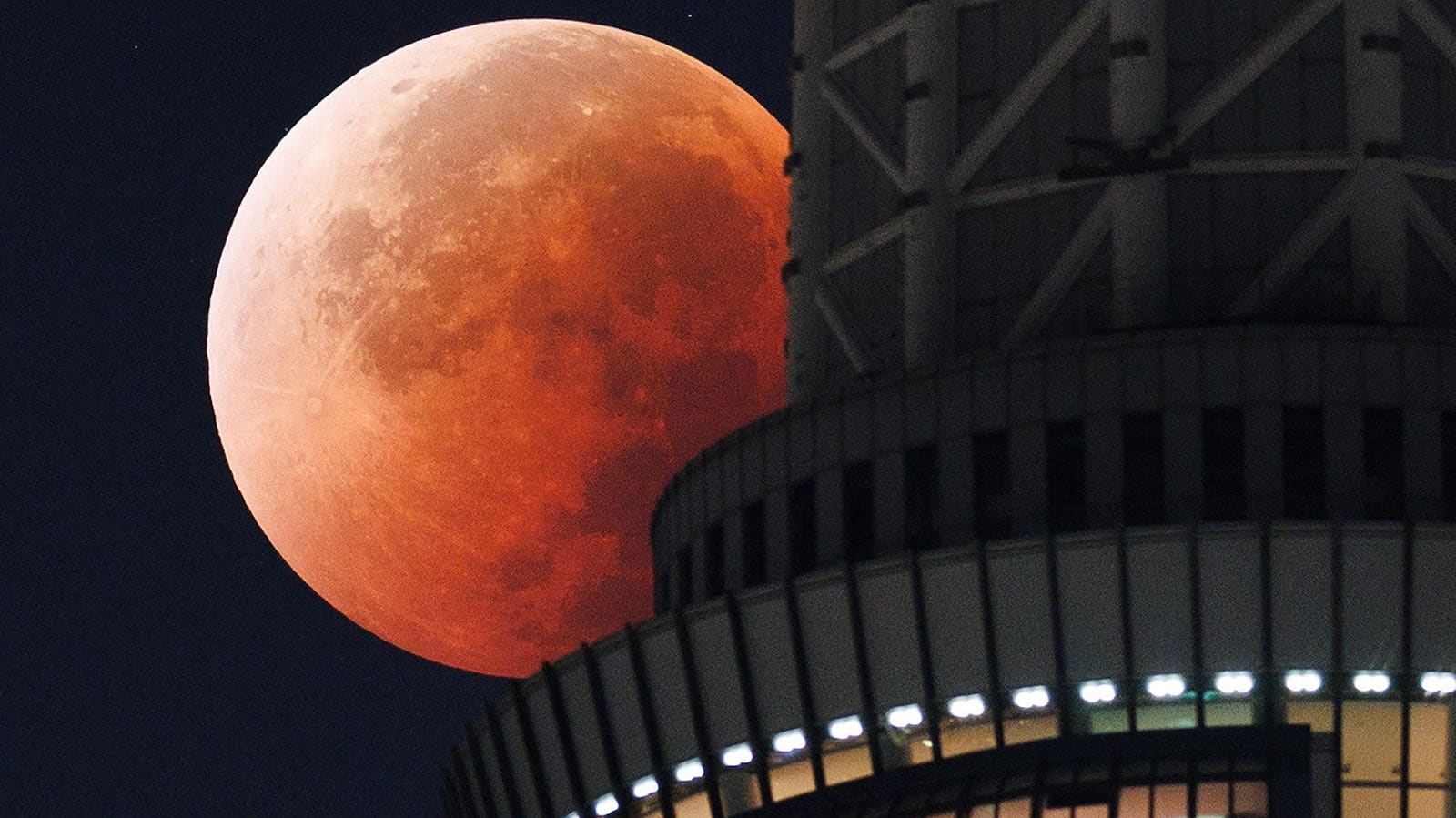
Beyond the spectacle of supermoons, 2026 will also feature more nuanced, yet equally profound, lunar phenomena: lunar eclipses and potential blue moons. Lunar eclipses occur when the Earth passes directly between the Sun and the Moon, casting a shadow on our satellite. Depending on the alignment and the amount of sunlight filtered through Earth's atmosphere, these eclipses can range from subtle penumbral darkenings to dramatic total lunar eclipses, often referred to as 'Blood Moons' due to their reddish hue.
- Blue Moons: While not a color, a 'Blue Moon' signifies the rare occurrence of a second full moon within a single calendar month or the third full moon in an astronomical season that has four full moons. Its rarity makes it a cultural touchstone, but astronomically, it’s a simple consequence of the lunar and Gregorian calendars diverging.
- Lunar Eclipses: These events offer a unique opportunity to observe Earth’s shadow playing across the lunar surface. They are safe to view directly with the naked eye, binoculars, or a telescope, providing a serene yet powerful connection to the cosmic forces at play.
Cultural Echoes and Modern Marvels
Historically, full moons have been imbued with spiritual significance, guiding agricultural practices, inspiring folklore, and influencing human behavior across cultures. The Wolf Moon, for instance, traditionally marked the peak of winter when wolves howled outside villages. As we approach 2026, these ancient echoes blend with modern scientific understanding, allowing us to appreciate these events from both a cultural and astronomical perspective.
For the modern moongazer, 2026 presents an unparalleled opportunity for observation, photography, and deeper engagement with the night sky. Whether you're a seasoned astronomer with a high-powered telescope or a casual observer stepping outside, these events offer a universal invitation to look up and ponder our place in the cosmos.
As Editor-in-Chief of NovaPress, I encourage our readers to mark their calendars. 2026 isn't just another year; it's a front-row seat to some of the most spectacular lunar events in recent memory. Stay tuned to NovaPress for detailed guides and specific dates as the year unfolds.