Winter's Chokehold: Analyzing the Widespread Disruption of America's Holiday Travel Season
As a severe winter storm threatens the Northeast, thousands of holiday journeys are thrown into disarray, revealing the fragile interconnectedness of modern travel.
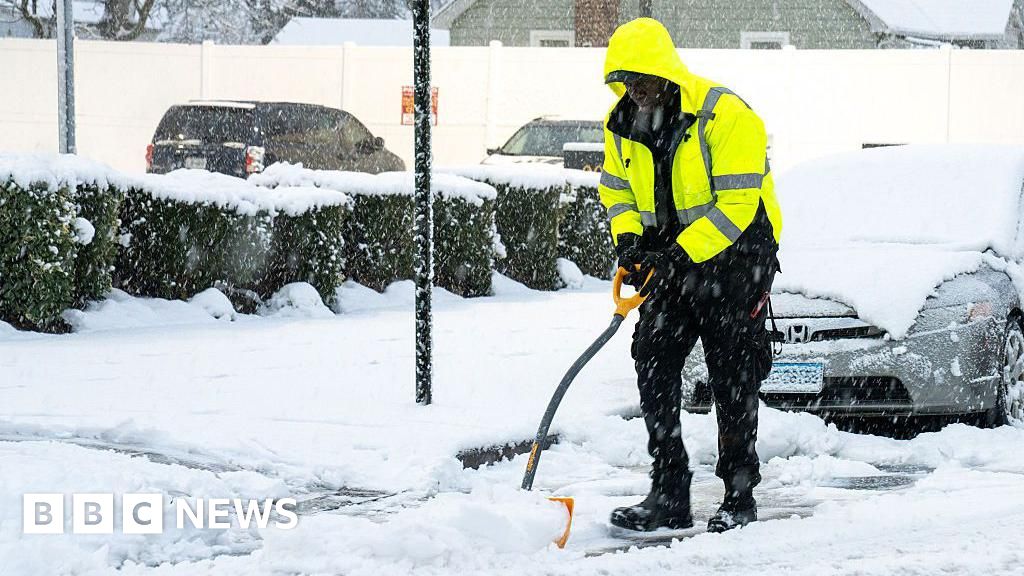
The festive glow of the holiday season has been abruptly overshadowed by the harsh reality of winter weather, as a formidable storm system bears down on the Northeastern United States. With forecasts predicting up to nine inches (23 cm) of snow for New York City on Friday, 26 December, the repercussions are already rippling across the nation, grounding thousands of flights and leaving countless travelers stranded during one of the year's busiest travel weekends. This isn't merely a weather report; it's a critical stress test for America's infrastructure, economy, and the resilience of its citizens.
The Immediate Impact: A Cascade of Cancellations
The statistics are stark: thousands of flights across the US have been either cancelled or delayed. For airlines, this translates to immediate operational nightmares. De-icing procedures, runway closures, and flight diversions become the norm, creating a domino effect that strains crew scheduling, aircraft availability, and gate capacity far beyond the storm's immediate vicinity. Major hubs like Newark, JFK, and LaGuardia, already operating at near-full capacity during peak travel, are particularly vulnerable, their closures or severe limitations sending shockwaves through the national air traffic network.
But the disruption extends far beyond the tarmac. For passengers, it means missed connections, ruined holiday plans, unexpected accommodation costs, and the emotional toll of uncertainty and separation from loved ones. The ripple effect touches every facet of the travel ecosystem, from rental car agencies overwhelmed by last-minute demand to hotel chains scrambling to accommodate unexpected overnight guests. The sheer volume of holiday travelers exacerbates the situation, transforming isolated delays into widespread logistical crises.
Beyond the Snowfall: Economic and Societal Repercussions
The economic implications of such widespread disruption are substantial. Airlines face significant revenue losses from cancelled flights and incur additional costs for rebooking, accommodating passengers, and handling diverted aircraft. The broader tourism sector, including hotels, restaurants, and local attractions, also suffers from decreased visitor numbers. For businesses relying on just-in-time supply chains, delayed cargo flights can lead to empty shelves, production halts, and financial penalties. While specific figures are difficult to tally in real-time, major weather events like this can easily cost the US economy hundreds of millions, if not billions, of dollars.
Societally, the impact is equally profound. For many, holiday travel is a cherished tradition, a rare opportunity for families and friends to reunite. When these plans are shattered, it can lead to significant emotional distress. Furthermore, critical travel, such as medical emergencies or essential business trips, can be severely hampered, posing risks that extend beyond mere inconvenience. The psychological burden of being stranded, often far from home and with limited information, is a silent but significant cost of these weather events.
A Glimpse into the Future: Resilience and Adaptation
These recurring winter disruptions serve as a powerful reminder of the need for greater resilience in our transportation systems. While weather is inherently unpredictable, advancements in forecasting, infrastructure investment, and operational protocols can mitigate some of the worst impacts. Enhanced de-icing capabilities, more robust communication strategies between airlines and passengers, and flexible rebooking policies are all crucial. Furthermore, the long-term implications of climate change, potentially leading to more frequent and intense weather events, underscore the urgency of developing adaptive strategies for future travel.
As the snow begins to fall and thousands brace for a challenging weekend, this event will undoubtedly provide valuable lessons. It highlights not only the vulnerabilities of our interconnected world but also the incredible efforts of ground crews, air traffic controllers, and airline staff who work tirelessly to navigate these complex situations. For now, however, the immediate focus remains on weathering the storm and bringing stranded travelers safely to their destinations, reminding us all of the raw power of nature and the enduring human desire to connect.