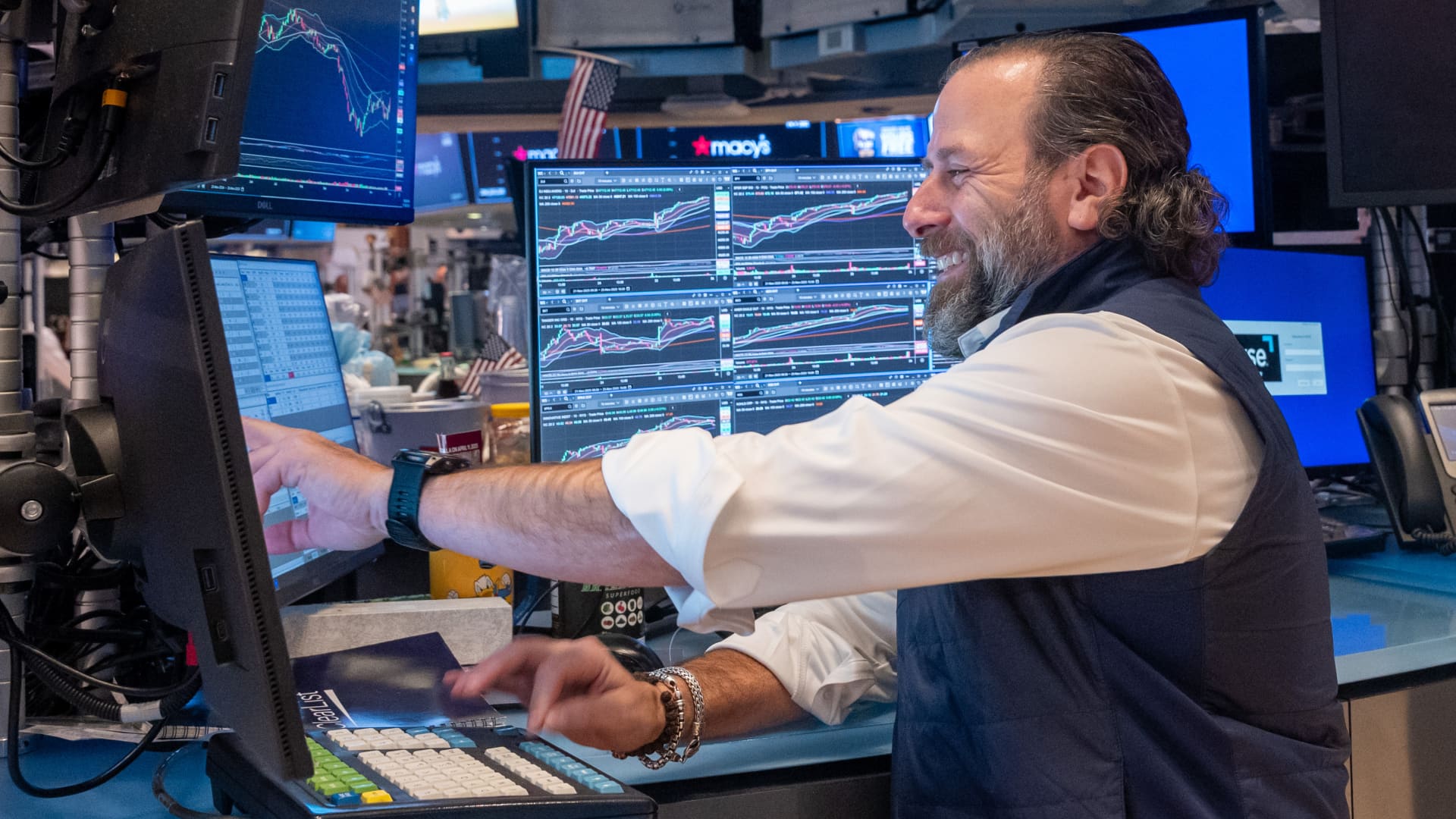
As the festive tinsel settled, Wall Street unwrapped an early present: the S&P 500 not only closed out the week with significant gains but also surged to a fresh record high. This post-Christmas rally, fueled by renewed investor confidence and a cautious optimism, has set a vibrant tone for the market as it gears up for a new year. But beyond the headlines, what truly underpins this robust performance, and what implications does it hold for the economy and everyday investors?
The Engine Behind the Surge: A Confluence of Factors
The S&P 500's ascent to unprecedented levels isn't merely a fleeting holiday cheer. Several fundamental and psychological factors appear to be at play. A primary driver is the growing expectation that the Federal Reserve may have concluded its aggressive interest rate hike cycle. Anticipation of potential rate cuts in the coming year has significantly bolstered market sentiment, making equities more attractive compared to fixed-income investments. This 'soft landing' narrative – where inflation cools without triggering a deep recession – has gained considerable traction.
Furthermore, corporate earnings, while not uniformly stellar, have shown resilience in key sectors, particularly technology and growth-oriented companies. Robust consumer spending during the holiday season, despite inflationary pressures, also hints at an underlying economic fortitude. Traders, returning from their brief holiday hiatus, seem to have re-engaged with a bullish outlook, keen to capitalize on what they perceive as an upward trajectory.
Historical Context and Investor Sentiment
Reaching a new all-time high is always a significant milestone, often interpreted as a sign of enduring market strength. Historically, periods following new record highs can sometimes see continued upward momentum, as positive sentiment begets more buying. However, it also raises questions about valuation. Is the market becoming overheated, or are these gains justified by underlying economic improvements and corporate performance?
Investor psychology plays a crucial role. The 'fear of missing out' (FOMO) can drive further buying, pushing indices higher. Conversely, a prolonged rally without significant pullbacks can lead to complacency, where risks are underestimated. The current environment suggests a complex interplay of genuine economic signals and market participants' collective hope for a prosperous year ahead.
Navigating the Road Ahead: Risks and Opportunities
While the current market sentiment is undeniably positive, a prudent analysis must also consider potential headwinds. Inflation, though cooling, could prove stickier than anticipated, forcing the Fed to maintain higher rates for longer. Geopolitical tensions, always a wildcard, could disrupt supply chains or impact energy prices. Moreover, corporate earnings growth needs to accelerate to justify current valuations, particularly if borrowing costs remain elevated for some time.
For investors, this record high presents both opportunities and challenges. It's a reminder of the power of long-term investing and market resilience. However, it also necessitates a careful review of portfolios, ensuring diversification and alignment with individual risk tolerance. Sectors that stand to benefit most from a 'soft landing' scenario, such as technology, healthcare, and certain consumer discretionary segments, might continue to lead. Conversely, companies highly sensitive to interest rates or economic downturns could face increased scrutiny.
Conclusion: A New Chapter for Wall Street?
The S&P 500's post-holiday record high marks more than just a numerical achievement; it signifies a pivotal moment for investor confidence and market direction. It suggests a potential shift from a period dominated by inflation fears and rate hikes to one characterized by growth expectations and potential monetary easing. While optimism abounds, the coming months will be critical in determining whether this rally is the start of a sustained bull run or merely a temporary peak before new challenges emerge. As NovaPress, we will continue to monitor these developments, providing the deep analysis needed to navigate an ever-evolving economic landscape.