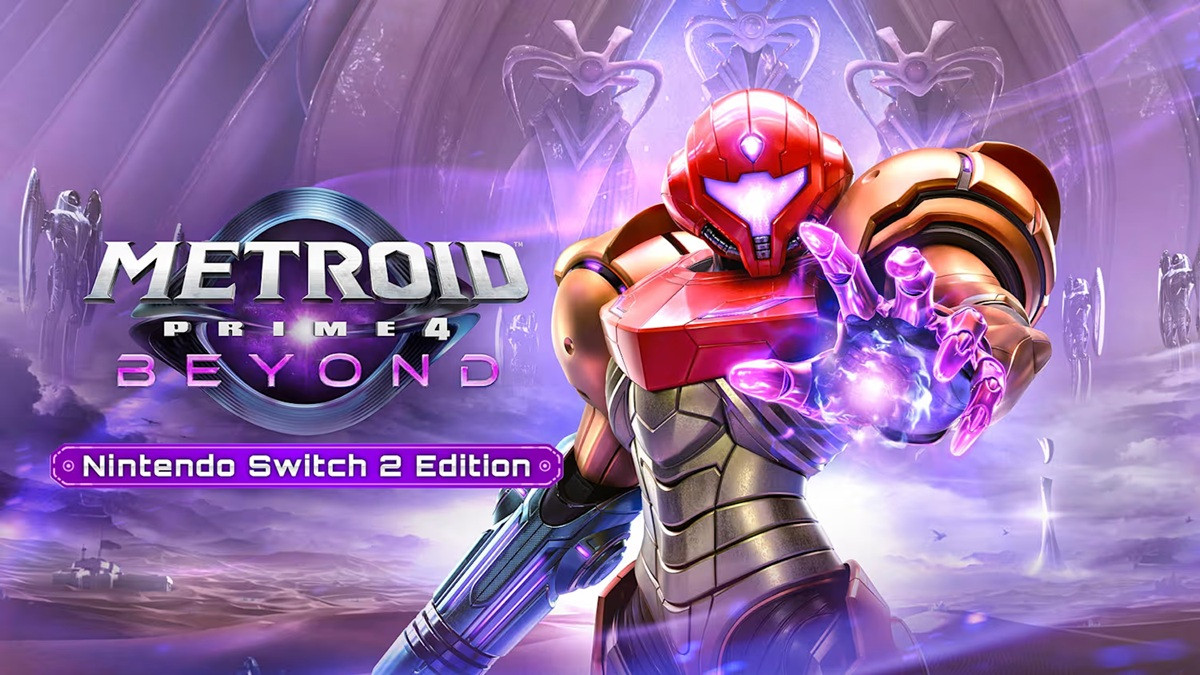
Metroid Prime 4: Nintendo's Calculated Stand Against the Open-World Trend
By The NovaPress Editorial Team | October 26, 2023
In an era where the gaming landscape is increasingly dominated by vast, sprawling open worlds, Nintendo has once again demonstrated its unique position in the industry. Fresh insights reveal that Metroid Prime 4, one of the most anticipated titles for the Nintendo Switch, will deliberately steer clear of the open-world format, a decision made despite acknowledged fan interest in such an approach for the iconic franchise.
This revelation isn't just a design choice; it's a profound statement from Nintendo, underscoring their commitment to a distinct creative philosophy. As Editor-in-Chief of NovaPress, I believe this warrants a deep dive into the implications of such a move, both for Metroid Prime 4 itself and the broader gaming ecosystem.
The Allure and Pitfalls of Open-World Design
For the past decade, open-world games have been the benchmark for immersion and player freedom. Titles like The Legend of Zelda: Breath of the Wild (a Nintendo staple, ironically), Elden Ring, and Grand Theft Auto V have redefined player expectations, offering expansive environments, emergent gameplay, and hundreds of hours of content. The appeal is undeniable: a sense of boundless exploration, endless side quests, and the freedom to tackle objectives in any order.
However, the open-world formula isn't a panacea. It often comes with its own set of challenges: content dilution, repetitive side activities, a loss of narrative focus, and the potential for a sprawling map to feel empty or overwhelming rather than truly engaging. For certain genres, particularly those built on carefully curated progression and atmosphere, a wide-open design can actively work against the core experience.
Metroid's Legacy: Isolation, Intricacy, and Interconnectivity
The Metroid series, particularly the Prime sub-franchise, thrives on a very specific kind of design: isolated, interconnected environments that slowly reveal their secrets as Samus Aran gains new abilities. It's a masterclass in 'Metroidvania' progression, where previously inaccessible areas become pathways, fostering a profound sense of discovery and mastery over a complex, often claustrophobic, alien world. The original Metroid Prime on GameCube is lauded for its exquisite environmental storytelling, atmospheric tension, and intricate level design – elements that could easily be diluted in an open-world structure.
Nintendo's decision suggests a clear understanding that true freedom in Metroid doesn't come from a lack of boundaries, but from the methodical dismantling of them within a meticulously crafted space. The horror and isolation of Tallon IV or Aether would be profoundly different if Samus could simply run in any direction from the outset.
Nintendo's Unwavering Vision
This move by Nintendo for Metroid Prime 4 echoes a broader trend observed in their recent first-party titles. While Breath of the Wild embraced open-world, subsequent titles like Super Mario Odyssey opted for 'sandbox' hub worlds, and other flagship games maintain more traditional linear or segmented structures. Nintendo seems less concerned with chasing industry trends and more focused on identifying the optimal design philosophy for each individual franchise to achieve its peak potential.
Their internal discussions and the eventual decision for Metroid Prime 4 indicate a profound respect for the series' roots. They likely weighed the desires of some fans against the fundamental pillars that define Metroid Prime: the meticulously designed power-up progression, the sense of being lost and alone on an alien planet, and the satisfaction of unlocking complex, interconnected pathways.
Future Implications: A Refined Experience?
What does this mean for Metroid Prime 4? It strongly suggests that players can expect a game that prioritizes depth, atmosphere, and intricate design over sheer scale. We can anticipate environments that are dense with secrets, puzzles, and carefully placed encounters, rather than vast expanses that might feel empty. It points towards a return to the series' strength in guided, yet challenging, exploration.
In an industry grappling with development costs and the pressure to deliver ever-larger worlds, Nintendo's choice for Metroid Prime 4 could also be a strategic one. Focusing on a more contained, albeit complex, design allows developers to pour resources into polishing every detail, optimizing performance, and crafting a truly memorable experience without the compromises often associated with sprawling open-world ambitions.
Conclusion: A Bold, Calculated Move
Nintendo's decision regarding Metroid Prime 4 is not a step backward, but a confident stride forward into what they believe is the best expression of the franchise. By resisting the open-world current, they are making a clear statement: quality over quantity, focused design over boundless ambition, and loyalty to a franchise's core identity over fleeting trends. As fans, we should commend this calculated restraint, as it holds the promise of a Metroid Prime 4 that is not just big, but profoundly impactful and true to the legacy it carries.