America's New Front? Unpacking US Strikes Against ISIL in Northwest Nigeria
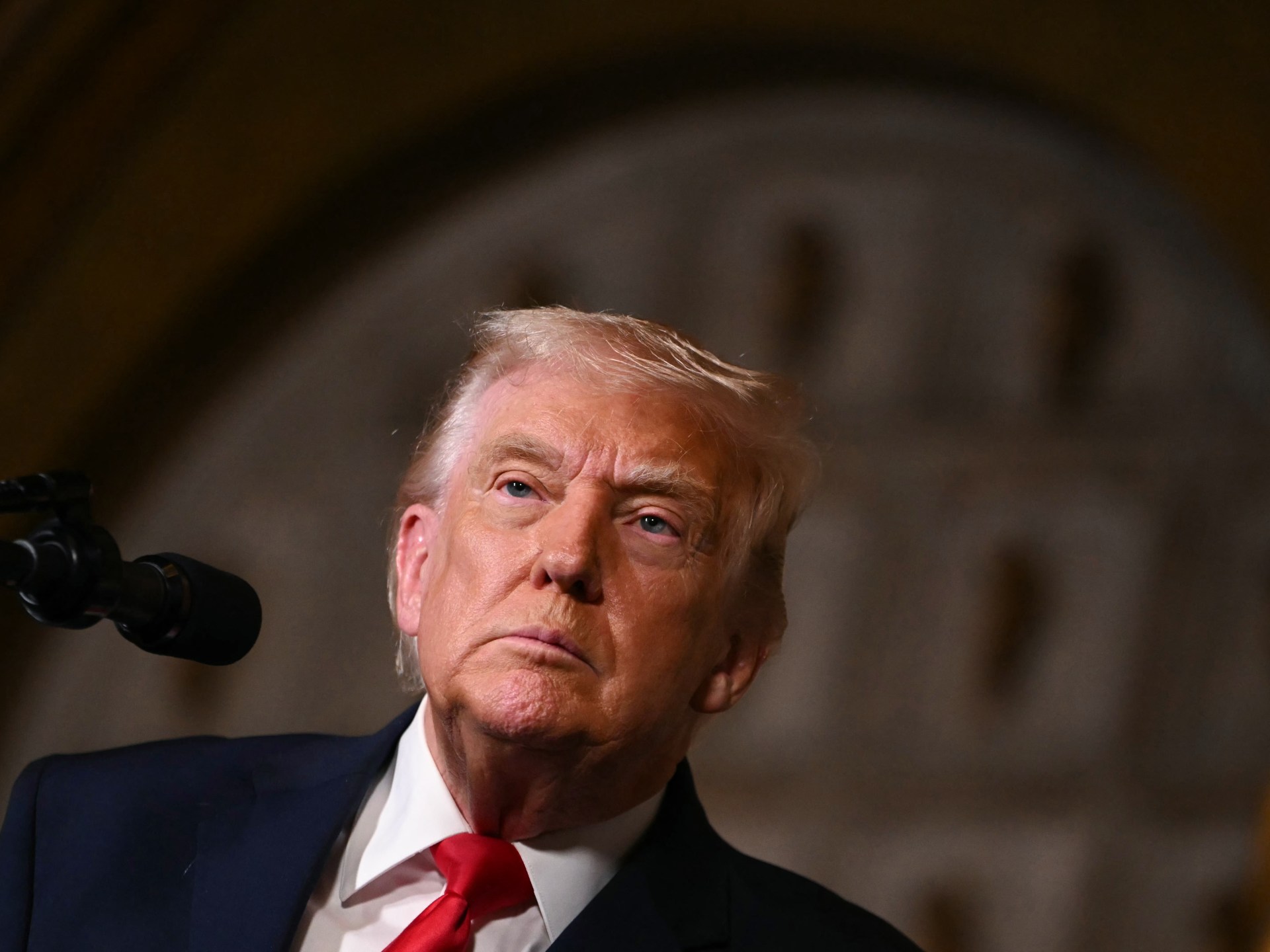
The United States has escalated its global counter-terrorism efforts, extending its kinetic footprint into a new and complex theater: northwest Nigeria. US President Donald Trump confirmed that American forces had carried out an air strike against ISIL (ISIS) fighters in the region, a move he justified by stating the targeted militants had killed 'primarily, innocent Christians.' This announcement marks a pivotal moment, raising urgent questions about US foreign policy, Nigerian sovereignty, regional stability, and the evolving nature of the global fight against extremism.
The Shifting Sands of ISIL's Reach in Africa
While the world's attention has often focused on ISIL's strongholds in Iraq and Syria, the group's aspirations have always extended globally. In recent years, its affiliates have sought to establish footholds across Africa, from Libya and Somalia to Mozambique and the sprawling Sahel region. In Nigeria, the Islamic State's West Africa Province (ISWAP), a splinter faction of Boko Haram, has emerged as a particularly brutal force, responsible for numerous attacks and abductions. The identification of 'ISIL fighters' in northwest Nigeria, a region more commonly associated with criminal banditry, suggests a concerning expansion or at least a confirmed presence in an area already plagued by multi-faceted insecurity.
The blurred lines between entrenched local conflicts, criminal enterprises, and ideological terrorism present a unique challenge. US intervention here indicates a direct acknowledgment of ISIL's claimed reach, even if the precise nature of the target's affiliation remains opaque to the public.
The 'Innocent Christians' Justification: A Complex Narrative
President Trump's explicit mention of 'innocent Christians' killed by the targeted militants provides a clear moral justification from his administration's perspective. While ISWAP and other extremist groups in Nigeria have indeed perpetrated heinous acts against Christian communities, they have also targeted countless Muslims who do not adhere to their extremist ideology. This framing, while appealing to a specific narrative, carries the risk of oversimplifying a deeply complex ethno-religious conflict and potentially exacerbating sectarian tensions within Nigeria.
The reality on the ground is one where communities of all faiths suffer under the yoke of extremism and violence. Emphasizing one group's suffering, while valid, can inadvertently overshadow the broader humanitarian crisis and the shared struggle against a common enemy.
Sovereignty, Strategy, and Silence from Abuja
Perhaps the most immediate and critical question arising from the strike concerns the issue of Nigerian sovereignty. Was this US military action undertaken with the explicit consent and coordination of the Nigerian government? A lack of immediate, public confirmation from Abuja could signal potential friction or a complex diplomatic landscape behind the scenes. While the United States Africa Command (AFRICOM) maintains partnerships and conducts training missions across the continent, direct kinetic strikes within a sovereign nation without clear public consent often raise international law implications.
Strategically, the efficacy of isolated air strikes against highly adaptive, decentralized terrorist cells is a perennial debate. While precision strikes can eliminate high-value targets, they rarely dismantle an entire network. The broader challenge in Nigeria – which includes governance failures, socio-economic grievances, corruption, and inter-communal violence – requires a comprehensive approach that extends far beyond military interventions. A purely kinetic response, without addressing root causes, risks creating a vacuum that new groups or resentments can fill.
Geopolitical Ripples: The Sahel and Beyond
The US strike sends a clear message about Washington's continued commitment to combating ISIL, even as its physical 'caliphate' has collapsed elsewhere. For Nigeria and its neighbors in the Sahel and Lake Chad Basin, this intervention could be a double-edged sword. While it might offer temporary relief or degrade enemy capabilities, it also raises the specter of increased foreign military presence and potential escalation.
The regional implications are significant. Countries like Niger, Chad, and Cameroon, already grappling with their own extremist threats, will be closely watching. The long-term success of counter-terrorism efforts in this volatile region hinges on robust intelligence sharing, regional cooperation, humanitarian assistance, and most critically, improved governance and economic opportunities to undercut the appeal of extremism.
Conclusion: A Complex Path Forward
The US air strike in northwest Nigeria marks a new, complex chapter in the global war on terror. While demonstrating a resolve to protect vulnerable populations and degrade extremist threats, it simultaneously opens a Pandora's Box of strategic, diplomatic, and humanitarian challenges. The path forward demands careful diplomacy, robust intelligence, and a comprehensive strategy that respects national sovereignty, integrates military action with humanitarian aid and development, and addresses the multifaceted root causes of violence. Without such a holistic approach, even well-intentioned interventions risk becoming embroiled in an intractable conflict.