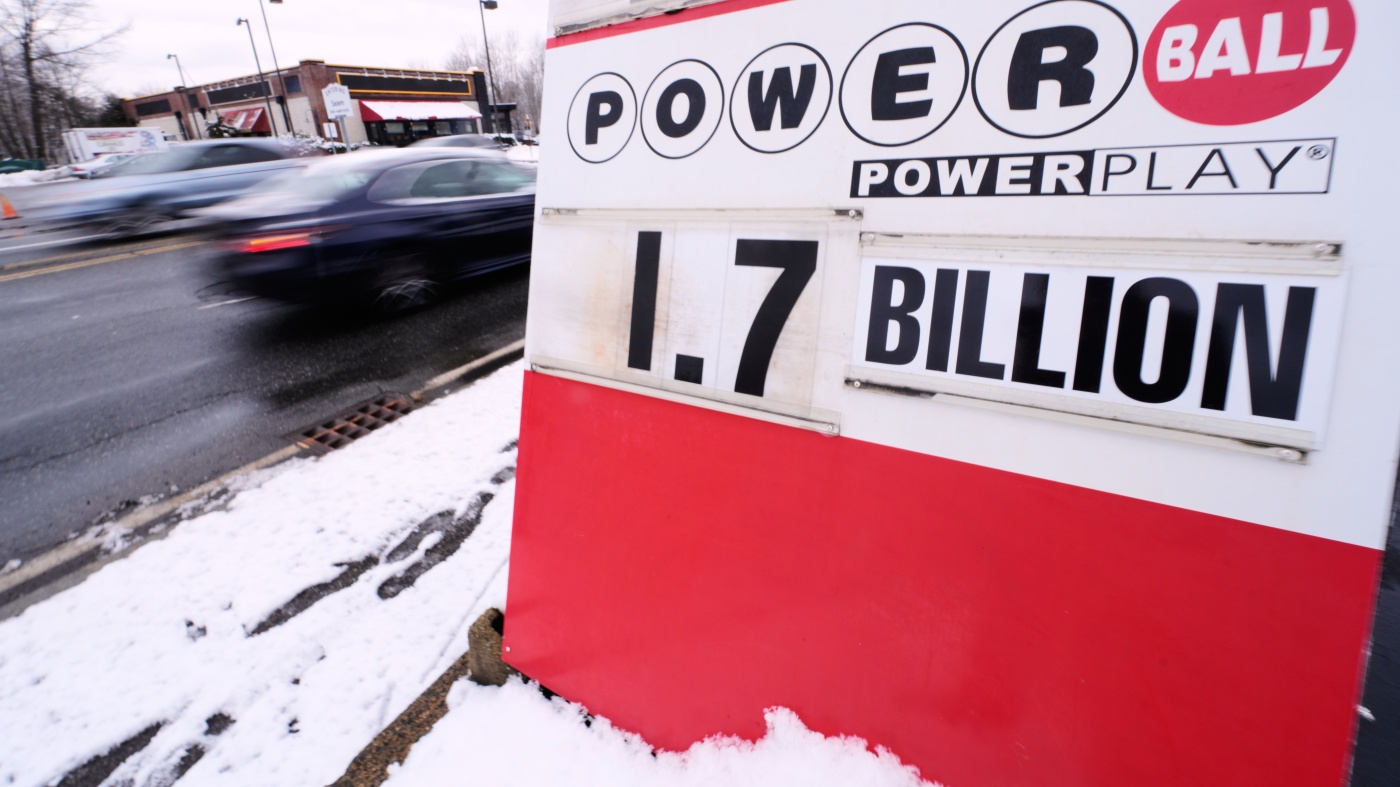
Arkansas Strikes Gold: Unpacking the $1.817 Billion Powerball Jackpot and Its Broader Implications
The quiet anticipation surrounding the Powerball lottery's three-month drought of top-prize winners culminated dramatically on Christmas Eve. A single ticket sold in Arkansas defied astronomical odds, securing a staggering $1.817 billion jackpot. This monumental win, now cemented as the second-largest in U.S. history, isn't just a life-changing event for one fortunate individual; it's a profound economic ripple, a testament to the enduring allure of the lottery dream, and a catalyst for deeper discussions on wealth, fortune, and societal impact.
The Unfathomable Scale of Sudden Wealth
To comprehend $1.817 billion is to grapple with numbers that stretch the limits of everyday imagination. This isn't just 'a lot of money'; it's a sum comparable to the Gross Domestic Product of several small nations. It represents generational wealth, capable of fundamentally altering not just one family's trajectory, but potentially influencing philanthropic landscapes, local economies, and investment portfolios on a scale typically reserved for established magnates or large corporations. The instant transformation from ordinary citizen to ultra-high-net-worth individual brings with it a unique set of challenges and opportunities, demanding astute financial management, privacy considerations, and often, a re-evaluation of one's entire life purpose.
The Anatomy of a Record-Breaking Jackpot
The sheer size of this jackpot is a direct consequence of a prolonged period without a winner. As drawings rolled over week after week, the prize pool swelled, fueling a frenzy of ticket sales across the nation. This surge in participation, particularly in the days leading up to the final drawing, pushed the jackpot past its initial estimates, cementing its place in the history books. While the odds of winning remain infinitesimally small—often cited in the hundreds of millions—the communal chase for such life-altering sums highlights a peculiar human fascination with chance and the possibility of escaping the mundane.
Lotteries like Powerball operate on a simple principle: small investments from millions of players accumulate into colossal sums, with a portion allocated to prizes and the remainder often supporting state programs, education, or infrastructure. The psychological draw of these games is undeniable, offering a glimmer of hope and a shared dream in an often-challenging economic climate.
The Winner's Conundrum: Decisions Beyond Imagination
For the Arkansas winner, the immediate euphoria will inevitably give way to a series of complex decisions. The first, and perhaps most significant, is choosing between a lump-sum cash payout or an annuity. While the $1.817 billion figure is the advertised annuity option spread over 30 years, the lump-sum cash value is considerably less, often around half, before taxes. This choice is critical, weighing immediate access to a vast sum against the security and consistent income of an annuity, albeit reduced by inflation over time.
Then come the taxes. Lottery winnings are subject to federal income tax, often at the highest bracket, and potentially state income taxes depending on the jurisdiction. The net amount received will still be staggering, but significantly less than the headline figure. Beyond the fiscal implications, the winner faces unprecedented privacy concerns. Public revelation can lead to unwanted attention, requests, and even threats. Many winners opt for anonymity where state laws permit, seeking to shield themselves and their families from the overwhelming burden of sudden, public wealth.
Societal Echoes and Economic Ripple Effects
While the focus naturally gravitates to the winner, the lottery's impact extends further. The state of Arkansas will benefit from the tax revenues generated by the win, potentially bolstering public services or reducing tax burdens elsewhere. This windfall demonstrates the lottery's inherent function beyond prize distribution: a voluntary tax that contributes significantly to state coffers.
However, the discussion also inevitably touches on responsible gambling. The dream of a jackpot can sometimes overshadow the financial realities for those who spend beyond their means. The existence of such massive prizes often reignites conversations about the ethics of state-sponsored gambling and its role in society, particularly for vulnerable populations.
A Dream Realized, A Future Unwritten
The $1.817 billion Powerball win is more than just a news story; it's a cultural phenomenon. It taps into universal fantasies of freedom, possibility, and instantaneous escape from financial constraint. For one person in Arkansas, that dream has become an astonishing reality, marking the end of a long jackpot chase and the beginning of an unimaginably transformed life. As the world watches, this historic win will undoubtedly continue to inspire awe, prompt introspection, and fuel the perennial hope that, against all odds, lightning might just strike again.