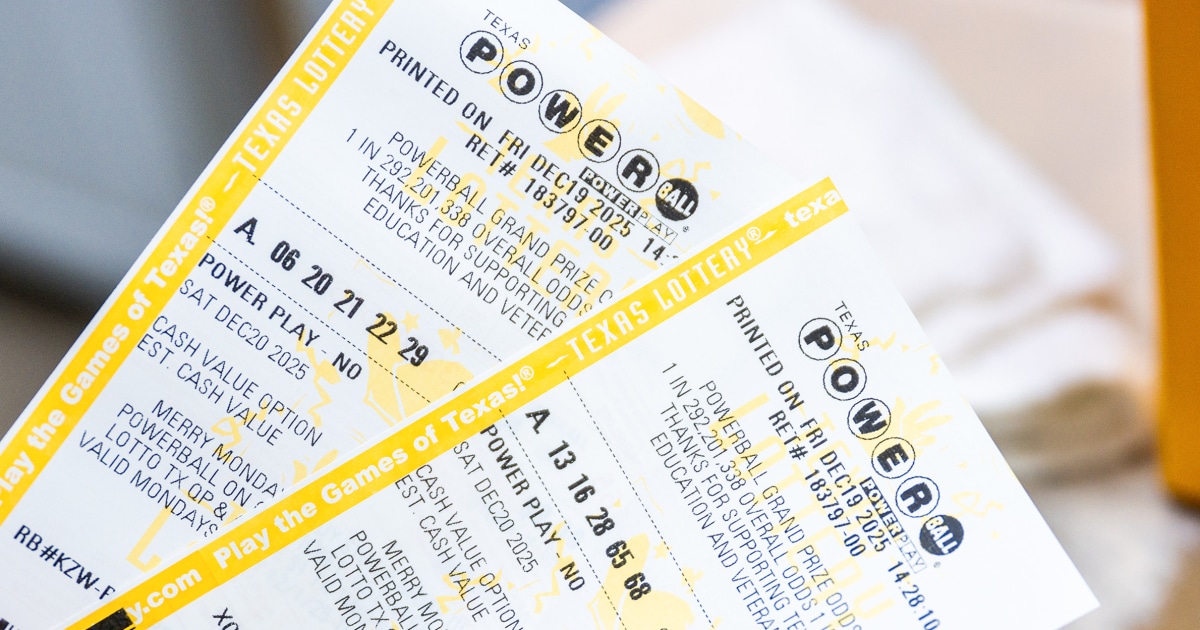
As the festive spirit blankets the nation, a different kind of buzz electrifies the air: the Powerball jackpot has soared to an astonishing $1.7 billion for the upcoming Christmas Eve drawing. This monumental sum isn't just a number; it's a societal phenomenon, marking the fourth largest jackpot in U.S. history and igniting dreams of unimaginable wealth and instantaneous life transformation just as the holidays peak.
A Glimpse into the Billion-Dollar Club
The sheer scale of a $1.7 billion prize is difficult to comprehend for most. To put it in perspective, this jackpot now stands shoulder-to-shoulder with some of the most legendary lottery payouts ever witnessed. It trails only a handful of other behemoths, reinforcing the increasingly common sight of nine- and ten-figure jackpots that have become a fixture of American lottery culture over the past decade. These colossal sums are not merely a result of more people playing, but also strategic changes in game mechanics designed to produce larger, more enticing prizes, creating a positive feedback loop that draws even more attention and participation.
Beyond the Billion: The Realities of Instant Wealth
While the headline number is staggering, the actual take-home prize is a complex calculation. Should a single winner emerge, they would face a choice: an annuity paid over 30 years or a significantly reduced cash option. The latter, which is almost universally chosen, would be a lump sum far below the advertised figure, subjected to federal and state taxes that could diminish the total by well over half. For instance, a $1.7 billion annuity might translate into a cash option of roughly $750-$800 million before taxes, which then could be further reduced to perhaps $400-$500 million after all deductions. This stark reality often goes unmentioned amidst the fever pitch of jackpot speculation, yet it's crucial for understanding the true scale of the prize.
The Economic Ripple Effect
The journey to a $1.7 billion jackpot isn't just about one potential winner; it's a testament to millions of small transactions. Every ticket purchased contributes not only to the prize pool but also to state revenue, funding public services and education. This indirect economic impact is often overlooked but significant, painting a picture of lotteries as both a source of individual fantasy and collective funding. Moreover, local businesses – gas stations, convenience stores – experience a surge in foot traffic, generating ancillary sales and boosting local economies during the roll-up phase of such mega-jackpots.
The Psychological Pull: Hope in a Ticket
Why does a game with astronomical odds – roughly 1 in 292.2 million for Powerball – captivate the collective imagination so profoundly? Especially during the holiday season, the idea of a "Christmas Eve miracle" resonates deeply. It taps into universal desires for financial freedom, the ability to solve life's problems, and the dream of providing for loved ones beyond measure. For many, purchasing a ticket isn't just a gamble; it's a brief escape, a momentary indulgence in a fantasy where all problems could vanish with the right combination of numbers. It offers a sliver of hope, a conversation starter, and a shared national moment of anticipation.
Looking Ahead: The Aftermath of a Win (or Roll-Over)
Should a winner emerge on Christmas Eve, their life would irrevocably change overnight. The challenges of managing such immense wealth – from immediate security concerns to long-term investment strategies and philanthropic endeavors – are well-documented. Yet, what if no one wins? The jackpot would roll over again, likely surpassing the $2 billion mark and potentially setting a new world record. This continuous escalation fuels further public engagement, turning each drawing into a national event. The Powerball phenomenon, particularly at these dizzying heights, serves as a fascinating case study in human psychology, economic impact, and the enduring power of hope.
As families gather and anticipation builds for the Christmas Eve drawing, millions will hold a slip of paper that represents not just a potential fortune, but a vessel for their deepest desires and a brief flirtation with the extraordinary. Whether it's a single winner or another roll-over, this $1.7 billion Powerball jackpot has already delivered one thing: a powerful narrative of dreams, destiny, and the irresistible allure of hitting it big.