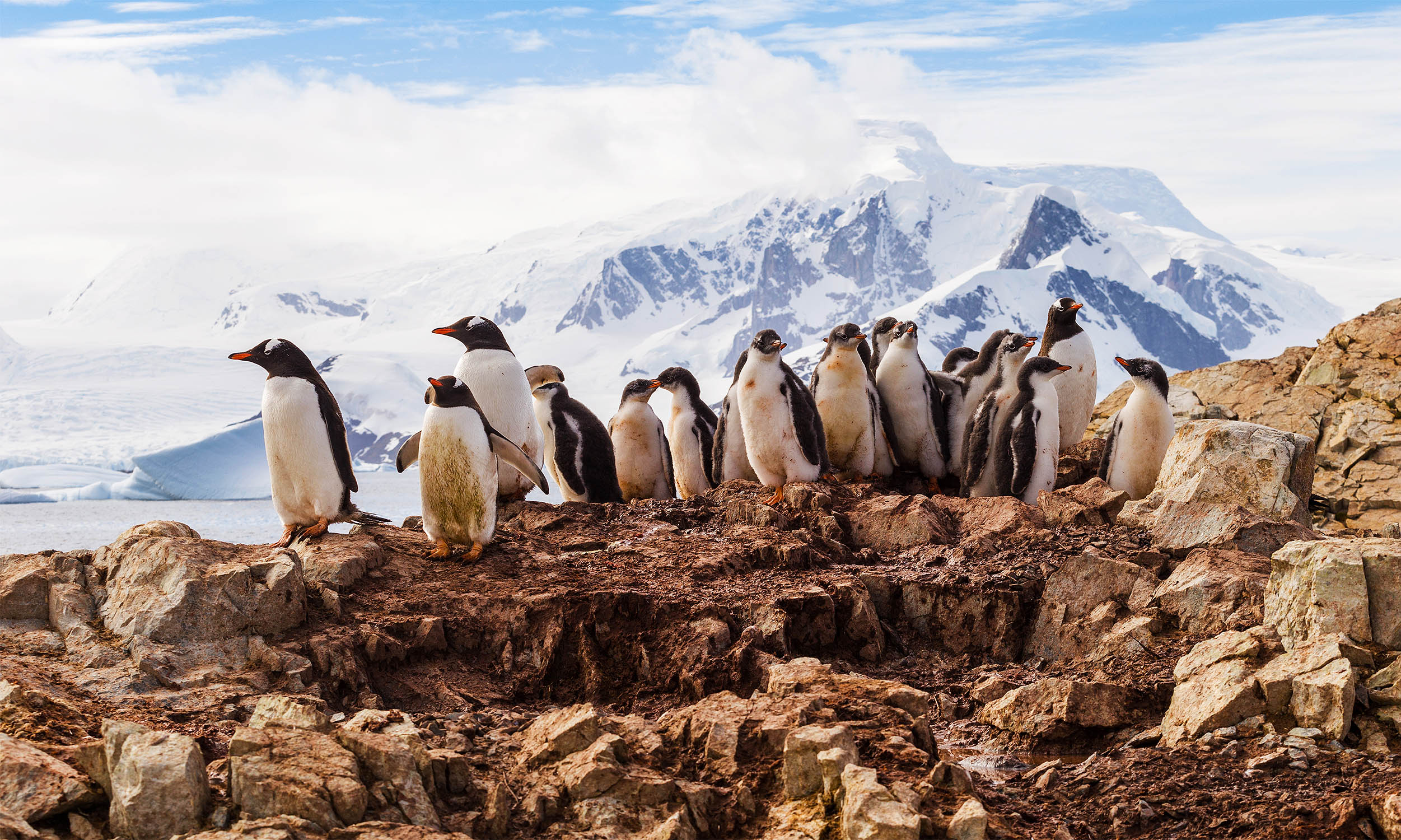
Antarctica's Tipping Point: Scientists Warn of Irreversible Changes as Global Warming Nears Critical Threshold
At the recent COP30 summit in Brazil, a stark warning echoed from Australian scientists: Antarctica, the Earth's southernmost continent, is on the precipice of abrupt and irreversible climate changes. This dire assessment arrives as global average temperatures inch closer to the critical 1.5°C warming threshold, a boundary many researchers consider a point of no return for several planetary systems. The implications are profound, threatening not just the continent's colossal ice sheets but also global oceans, fragile ecosystems, and coastlines worldwide.
The Antarctic Crucible: Understanding the 1.5°C Threat
For decades, climate scientists have highlighted the poles as bellwethers of global warming. Antarctica, with its immense ice sheets holding enough water to raise global sea levels by dozens of meters, plays a crucial role in regulating Earth's climate. The 1.5°C target, enshrined in the Paris Agreement, represents a consensus among nations on the maximum acceptable warming to avoid the most catastrophic impacts of climate change. However, as recent data suggests, even nearing this threshold is proving to be too much for the Antarctic system.
Why 1.5°C Matters for Antarctica:
- Accelerated Ice Melt: Warmer ocean currents are eroding ice shelves from below, while warmer air temperatures contribute to surface melt. This destabilizes vast glaciers, particularly the West Antarctic Ice Sheet, which is inherently unstable due to its bedrock lying below sea level.
- Ocean Acidification and Warming: The Southern Ocean, a critical carbon sink, is absorbing more CO2 and heat. This not only impacts marine life but also alters crucial ocean current systems that regulate global heat distribution.
- Ecosystem Collapse: The Antarctic ecosystem is finely tuned to its icy environment. Warming temperatures and ocean acidification threaten keystone species like krill, which form the base of the food web for whales, seals, and penguins.
Irreversible Transformations: What's at Stake?
The term "irreversible" is not used lightly by the scientific community. It signifies changes that, once set in motion, cannot be stopped or reversed on human timescales, even if global emissions were to cease immediately. In Antarctica's context, these transformations include:
Runaway Sea Level Rise
Perhaps the most profound and globally impactful irreversible change is the potential for multi-meter sea level rise. The West Antarctic Ice Sheet (WAIS) is particularly vulnerable. Scientists fear a "marine ice sheet instability" feedback loop, where melting leads to further melting, causing a rapid collapse. Such an event would inundate coastal cities and low-lying regions across the globe, displacing millions and causing unprecedented economic and humanitarian crises.
Disruption of Global Ocean Circulation
Antarctica is the birthplace of Antarctic Bottom Water (AABW), a crucial component of the global thermohaline circulation (often called the 'global conveyor belt'). Freshening of the Southern Ocean due to ice melt can weaken or even halt the formation of AABW, which would have cascading effects on ocean currents, heat distribution, and weather patterns worldwide, potentially leading to more extreme weather events in distant regions.
Ecological Catastrophe
The delicate balance of the Southern Ocean ecosystem is under immense pressure. Rising temperatures stress species adapted to cold environments, while ocean acidification threatens organisms that build shells and skeletons, like pteropods (sea butterflies) – another vital food source. The cascading effects could lead to significant biodiversity loss and fundamental shifts in one of Earth's last pristine marine environments.
A Global Imperative: The Path Forward
The warnings from COP30 serve as an urgent call to action. While some changes might already be locked in, the extent of future irreversible impacts still depends heavily on immediate global efforts to curb greenhouse gas emissions. Transitioning to renewable energy sources, implementing sustainable land use practices, and fostering international cooperation are no longer merely aspirational goals but critical necessities.
Antarctica is not just a distant, frozen continent; it is an integral part of our global climate system. Its fate is inextricably linked to the well-being of every human on Earth. Ignoring these warnings would be to gamble with the future of our planet, passing on an irreversible legacy that will define generations to come. The time to act, decisively and globally, is now.