Alphabet's $4.75 Billion Power Play: Fueling the AI Revolution with Intersect Power
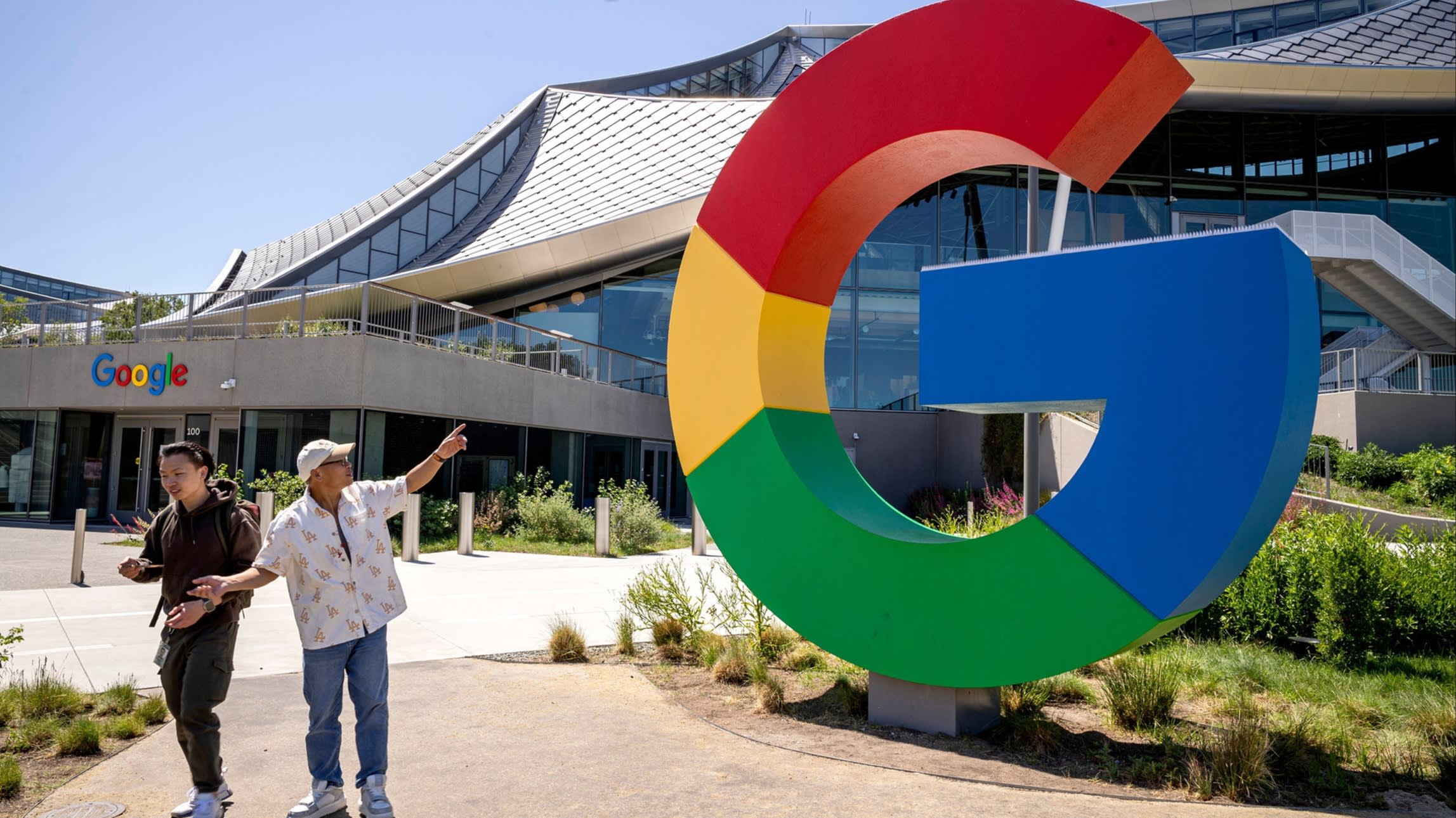
In a move that underscores the escalating energy demands of artificial intelligence, Alphabet, Google's parent company, has announced its acquisition of Intersect Power for a staggering $4.75 billion. This isn't just another tech acquisition; it's a profound strategic pivot that signals a new frontier in the race for AI dominance: the control of energy generation itself.
The Growing Energy Appetite of AI
The modern AI landscape, particularly the development and deployment of large language models (LLMs) and complex machine learning algorithms, is notoriously energy-intensive. Training a single advanced AI model can consume as much electricity as hundreds of homes over several months. Data centers, the physical backbone of the digital world, are already colossal power consumers, but the advent of sophisticated AI is pushing these demands to unprecedented and unsustainable levels. This increasing energy requirement is not merely an operational cost; it's becoming a significant bottleneck and a strategic vulnerability for tech giants.
Why Intersect Power?
Intersect Power stands out as a developer of utility-scale renewable energy projects, specializing in solar power generation and battery storage solutions. For Alphabet, this acquisition isn't about buying existing data center space; it's about securing direct access to and control over a substantial, renewable energy supply chain. By bringing energy generation in-house, Alphabet aims to:
- Ensure Energy Security: Guarantee a stable, reliable power source for its rapidly expanding AI infrastructure, mitigating risks associated with grid instability and external supply chain disruptions.
- Advance Sustainability Goals: Align with its ambitious corporate environmental, social, and governance (ESG) objectives by powering its AI operations with clean, renewable energy, thereby enhancing its public image and reducing its carbon footprint.
- Control Operational Costs: Potentially hedge against the volatility of energy prices and reduce long-term operational expenses by owning its generation assets rather than relying solely on utility providers.
- Gain a Competitive Edge: In an era where energy is becoming as critical as computational power, securing a dedicated, green energy supply could give Google a distinct advantage over competitors in the relentless AI arms race.
Broader Implications for the Tech and Energy Sectors
Alphabet's move is likely to send ripple effects across both the technology and energy industries. This vertical integration into energy generation could set a precedent for other hyperscale tech companies like Microsoft, Amazon, and Meta, all of whom are heavily invested in AI development and face similar energy challenges. We may witness a new wave of acquisitions or significant investments in renewable energy infrastructure as tech giants vie for energy independence.
Furthermore, this deal highlights a burgeoning convergence between the tech sector and the energy sector. Tech companies, traditionally consumers of power, are increasingly becoming significant players in energy production and management. This could accelerate global investment in renewable energy projects and necessitate closer collaboration between technology innovators and traditional utility providers to ensure grids can handle the future demands of AI.
The Future of AI and Energy
The acquisition of Intersect Power by Alphabet is more than a financial transaction; it's a strategic declaration. It underscores that the future of AI innovation is inextricably linked to the future of sustainable energy. As AI models grow more complex and pervasive, the ability to power them efficiently and cleanly will become a defining competitive differentiator. This deal is a significant step towards a future where tech giants don't just innovate software, but also fundamentally reshape the energy landscape to sustain their ambitions.
NovaPress will continue to monitor this evolving dynamic, as the energy-AI nexus promises to be one of the most critical battlegrounds of the 21st century.