The Accuracy Conundrum: Unpacking the Quest for Reliable Fitness Tracking
In an age dominated by personal data and the pursuit of wellness, the reliability of our most intimate tech companions—fitness watches—is under intense scrutiny. A groundbreaking experiment by Android Central reveals a startling truth about what we strap to our wrists.
The Rise of the Digital Health Guru: More Than Just Timekeeping
Fitness trackers have evolved from simple pedometers into sophisticated health monitors, offering insights into everything from heart rate and sleep patterns to blood oxygen levels and stress. They promise a personalized journey towards better health, empowering users with actionable data. Yet, the foundation of many health metrics, the humble step count, remains a point of contention among various brands. With giants like Apple, Google, Samsung, and Garmin battling for market dominance alongside specialized players like Coros and Polar, consumers are faced with a dizzying array of choices, each proclaiming superior accuracy.
The sheer volume of devices available—from budget-friendly options to premium smartwatches—underscores the global obsession with quantified self. But what happens when the very data driving our health decisions is inconsistent? This fundamental question lies at the heart of Android Central's rigorous investigation, pitting ten leading fitness watches against each other in a real-world step challenge.
The 10,000-Step Gauntlet: A Test of Trust
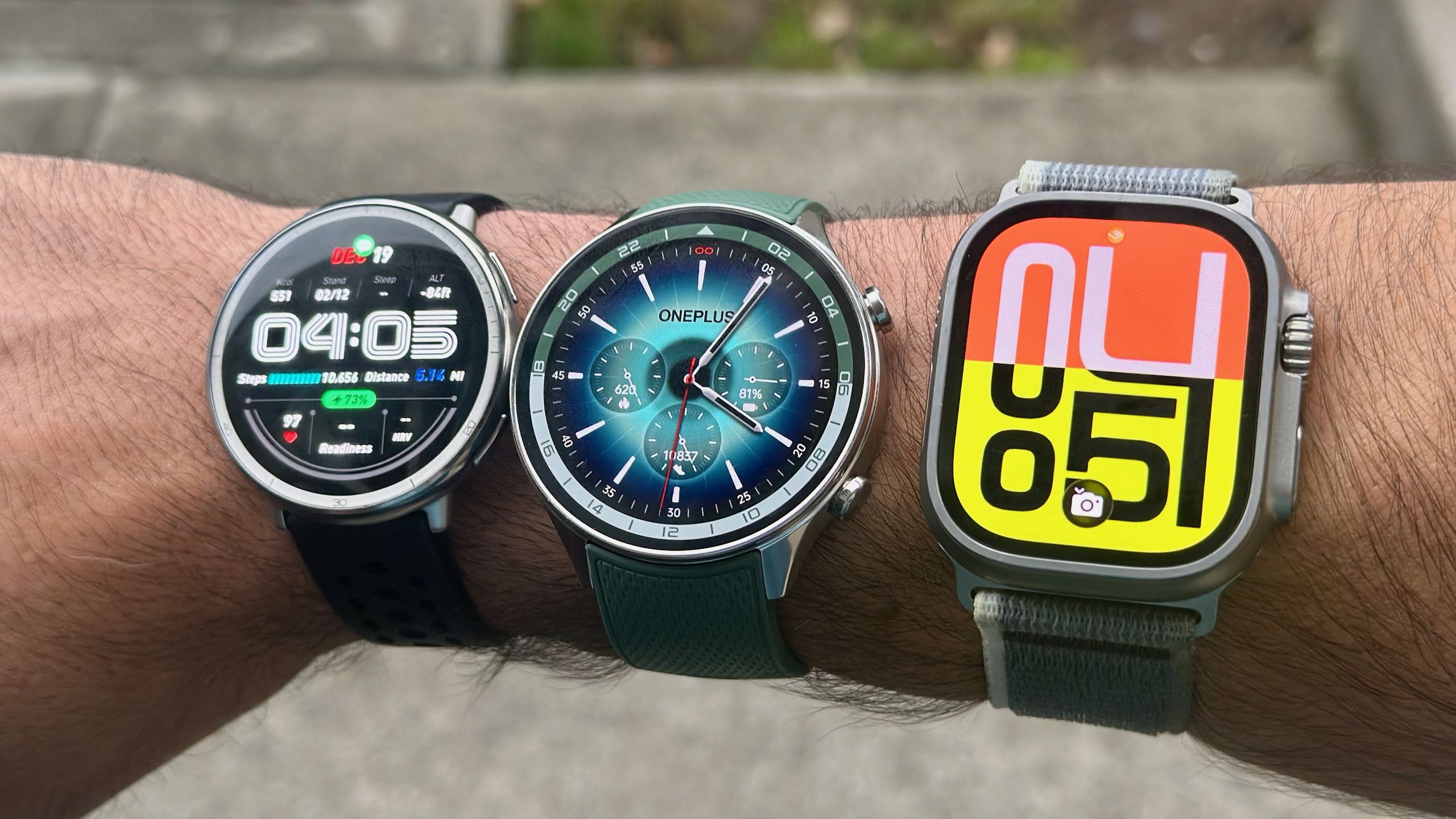
Imagine strapping ten different fitness watches to your body and embarking on a 10,000-step journey. This wasn't merely a casual stroll; it was a meticulous, real-world stress test designed to expose the variances in step tracking across a broad spectrum of devices. Amazfit, Apple, Coros, Google, Garmin, OnePlus, Polar, Samsung, Suunto, and Withings—a veritable who's who of the wearables industry—were all put through their paces. The goal was simple: identify which brand delivered the most consistently accurate step count, a metric often taken for granted but crucial for daily activity goals and long-term health tracking.
The methodology speaks to a growing demand for transparency and validated performance in a market often driven by marketing hype. While the specific winner is yet to be revealed publicly, the very premise of such an experiment highlights a critical industry-wide challenge: standardizing and perfecting motion tracking algorithms amidst diverse hardware and user physiologies.
Behind the Numbers: Why Accuracy Matters (and Varies)
Why do these devices produce different results? The answer lies in a complex interplay of hardware and software. Accelerometers and gyroscopes detect motion, but their sensitivity, placement, and the sophistication of the algorithms interpreting their data vary significantly. Some devices rely more heavily on GPS, which can be less reliable indoors, while others use proprietary algorithms that learn your gait over time. Factors like arm swing, stride length, and even where the watch is worn can influence accuracy.
For users, an inaccurate step count isn't just a minor annoyance; it can impact motivation, lead to misguided fitness decisions, and even skew health assessments. If your device consistently over-reports steps, you might feel you're hitting your goals when you're not. Conversely, under-reporting can be demotivating, making daily targets seem unattainable. This is particularly crucial for individuals using these devices for rehabilitation, chronic disease management, or rigorous training regimes where precision is paramount.
The Future of Wearable Precision: Towards a Gold Standard
The findings from experiments like Android Central's push the industry towards greater accountability. As wearables become increasingly integrated into mainstream healthcare and insurance programs, the demand for medical-grade accuracy will intensify. We can anticipate future generations of fitness watches incorporating more advanced sensors—perhaps even miniature radars or more sophisticated bio-impedance sensors—coupled with AI-driven algorithms capable of nuanced motion analysis.
Furthermore, the concept of a "gold standard" for wearable accuracy might emerge, perhaps through independent certification bodies or collaborative industry efforts. This would benefit consumers by providing clear benchmarks and drive manufacturers to innovate not just in features, but in the foundational reliability of their data. The ultimate goal is a seamless, trustworthy integration of personal health data into our daily lives, empowering us to make truly informed decisions about our well-being.
Conclusion: Beyond the Hype, Towards Health
The quest for the most accurate fitness watch isn't just about winning a technological race; it's about building trust in the tools that help us manage our health. Android Central's experiment serves as a powerful reminder that while innovation drives the wearables market, fundamental accuracy remains paramount. As we continue to embrace these devices, a critical eye towards validated performance will ensure that our digital health gurus are truly guiding us towards a healthier future, one reliable step at a time.