ASEAN's Crucial Test: Can Diplomacy Halt the Thailand-Cambodia Border Bloodshed and Avert Regional Crisis?
The quiet corridors of diplomacy in Southeast Asia have seldom seen such urgent movement. As top diplomats from the region convened in Malaysia on Monday, the stakes couldn't be higher. Their mission: to mediate an end to the resurgent and deadly border clashes between Thailand and Cambodia, a conflict that has already claimed at least 41 lives and, shockingly, displaced close to one million people. This unprecedented meeting marks the first direct engagement between officials from the two nations since the renewed fighting erupted this month, casting a long shadow over regional stability and posing a profound test to ASEAN's foundational principles of peace and cooperation.
A Deep-Seated Rift Reignited
The Thailand-Cambodia border dispute is not a new phenomenon; it's a centuries-old wound frequently reopened. At its heart lies the 11th-century Preah Vihear temple, a UNESCO World Heritage site, and the surrounding 4.6 square kilometers of contested land. While the International Court of Justice ruled in 1962 that the temple itself belonged to Cambodia, the exact demarcation of the border in its vicinity remains contentious. Over decades, this ambiguity has been a fertile ground for nationalist fervor on both sides, leading to numerous skirmishes and diplomatic standoffs.
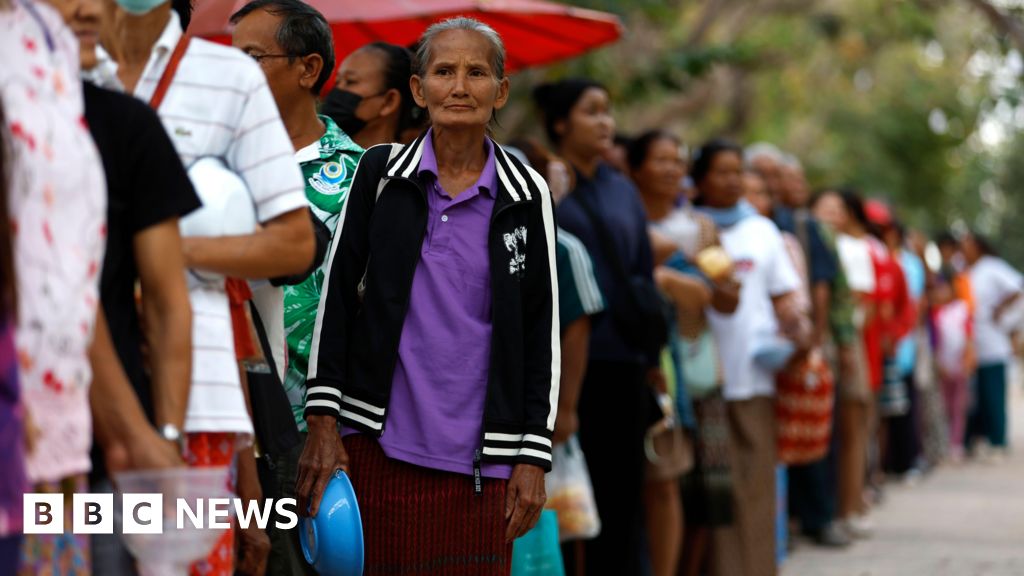
The recent escalation, though not explicitly detailed in its trigger, appears to be another tragic chapter in this ongoing saga. The significant casualty count and the staggering number of displaced individuals underscore the conflict's intensity and its devastating human cost. For nearly a million people, homes have been abandoned, livelihoods shattered, and futures rendered uncertain. This humanitarian crisis, unfolding amidst the lush landscapes of Southeast Asia, demands an immediate and decisive response.
ASEAN's Moment of Truth: Between Non-Interference and Regional Stability
The decision for Southeast Asia's top diplomats to meet under the banner of a regional bloc — implicitly ASEAN — signifies a critical shift. Traditionally, ASEAN has adhered to a policy of non-interference in the internal affairs of its member states. However, the scale and severity of the Thailand-Cambodia conflict, with its potential for wider regional destabilization and its grave humanitarian consequences, have pushed the bloc towards a more proactive mediation role. This meeting is not just about resolving a bilateral dispute; it's about validating ASEAN's purpose as a guarantor of regional peace and security.
The challenges facing these diplomats are immense. Beyond the immediate task of brokering a ceasefire, they must address the underlying issues that fuel the conflict. This includes navigating complex historical narratives, managing fervent nationalist sentiments, and finding a sustainable path towards a mutually acceptable border demarcation. Past attempts at resolution have often resulted in temporary truces rather than lasting peace, making the current diplomatic effort all the more crucial.
The Diplomatic Path Forward
For the talks in Malaysia to succeed, several key elements are likely to be on the agenda:
- Immediate Ceasefire: The first priority must be to halt all military engagements and prevent further loss of life and displacement.
- Withdrawal of Troops: A mutual agreement for both sides to pull back their forces from disputed areas to defuse immediate tensions.
- Humanitarian Access: Ensuring safe passage and aid delivery for the nearly one million displaced civilians.
- Joint Demarcation Committee: Re-establishing or strengthening a neutral body to scientifically and amicably delineate the contentious border segments.
- International Oversight/Monitoring: The possibility of a third-party presence (perhaps from ASEAN itself or a broader international body) to monitor compliance with agreements.
Failure to achieve meaningful progress could have dire consequences, potentially entrenching the conflict, exacerbating the humanitarian crisis, and significantly undermining ASEAN's credibility on the global stage. It would send a worrying signal about the bloc's capacity to manage internal disputes among its members.
Future Implications: A Blueprint for Regional Peace or Continued Volatility?
The outcome of these Malaysian talks will have profound implications far beyond the immediate border. For Thailand and Cambodia, a successful resolution could usher in an era of genuine peace and cross-border cooperation, unlocking economic potential in shared regions. Conversely, continued clashes would perpetuate human suffering, stifle development, and maintain an unpredictable security environment.
For ASEAN, this is a defining moment. A successful mediation could solidify its role as an effective regional security architecture, setting a precedent for how future intra-bloc conflicts might be managed. It would demonstrate the strength of multilateralism in navigating complex, nationally charged disputes. Should the efforts falter, however, questions will inevitably arise about the bloc's cohesion and its ability to fulfill its mandate for a peaceful and prosperous Southeast Asia.
As the world watches, the diplomats in Malaysia carry the immense burden of history and the fragile hope for peace. The path ahead is fraught with challenges, but the imperative to end the bloodshed and bring stability to a region scarred by conflict has never been clearer. This is more than a diplomatic meeting; it is a critical juncture for the future of Southeast Asia.