Beyond the 'Cupcake': Unpacking the Darker Side of Hyper-Niche Online Communities
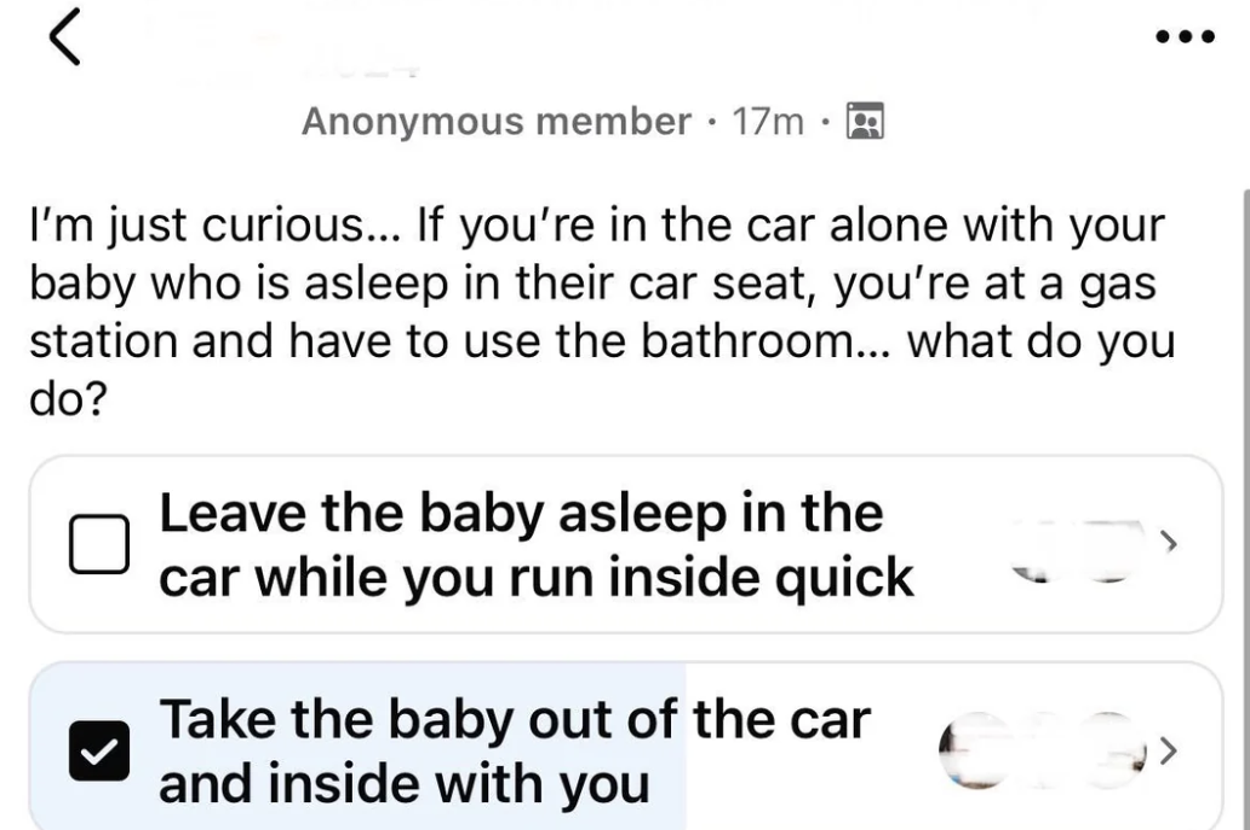
In an increasingly interconnected world, online communities promise solace, shared experience, and invaluable support. For parents, platforms like Facebook groups have become digital lifelines, offering advice, camaraderie, and a space to navigate the complex journey of raising children. Yet, as recent insights suggest, this digital utopia often harbors a disturbing underbelly, where ignorance, toxicity, and outright inappropriateness fester. The casual mention of a term like 'cupcaked' – a concept many of us wish we had never encountered – serves as a jarring reminder of how deeply unsettling some of these hyper-niche online spaces can become.
The Paradox of Digital Parenthood: Support vs. Seclusion
The allure of online parenting groups is undeniable. New mothers seek lactation advice, fathers look for tips on toddler tantrums, and parents of children with special needs find solidarity. These groups often start with noble intentions: to create safe spaces for shared knowledge and emotional support. However, the very mechanisms that foster intimacy – privacy, rapid communication, and algorithmic echo chambers – can also accelerate the descent into insularity and, eventually, toxicity.
The anonymity or semi-anonymity offered by these platforms can embolden individuals to express views they might never vocalize in face-to-face interactions. Without the immediate social cues and accountability present in physical communities, a culture of unchecked opinion, judgment, and shaming can quickly take root. What begins as a discussion on sleep training can devolve into aggressive personal attacks, while questions about diet can morph into a hotbed of misinformation and pseudoscience, often amplified by like-minded members.
When 'Mother Knows Best' Becomes Malicious
The specific context of 'Facebook Moms' groups highlights a peculiar vulnerability. The fierce protectiveness inherent in parenthood can, when channeled through an insular online group, transform into a collective, often aggressive, defense mechanism. Differing opinions are not just disagreed with; they are often attacked, and dissenting voices are ostracized. This tribalism can lead to the widespread acceptance of harmful advice, the perpetuation of bizarre and unverified claims, and the creation of an environment where bullying becomes an accepted form of 'community policing'.
The term 'cupcaked', though left undefined in its shocking context, points to the extreme end of this spectrum. It implies a level of content, discourse, or behavior so far removed from the expected norms of civil interaction that its mere existence is disturbing. Such instances are not isolated anomalies; rather, they are symptoms of a broader issue concerning the lack of effective moderation, ethical guidelines, and user education within these rapidly expanding digital spheres. When a community allows such terms and the behaviors they represent to become part of its lexicon, it signifies a profound breakdown of its original purpose and a triumph of inappropriate content over genuine support.
The Wider Implications: A Call for Digital Literacy and Platform Accountability
The phenomenon of toxic online groups, particularly those targeting vulnerable or specific demographics like parents, carries significant societal implications. It erodes trust, spreads misinformation, and can have real-world psychological impacts on individuals who are either subjected to the toxicity or become unwitting participants in it. The casual acceptance of 'cupcaked' content, whatever its nature, reflects a dangerous desensitization that can spill over into other aspects of digital life.
Moving forward, there is an urgent need for a multi-pronged approach. Platforms must invest more heavily in robust moderation, perhaps utilizing AI alongside human oversight, to identify and address harmful content and behavior proactively. Users, too, bear responsibility. Cultivating critical digital literacy – the ability to discern credible information, recognize manipulative tactics, and understand the psychological effects of online interaction – is paramount. Communities themselves can empower members to self-regulate, establishing clear codes of conduct and fostering a culture of empathy and respect.
Reclaiming the Promise of Connection
The promise of online connection remains vital, especially for parents who often face isolation. However, this promise can only be fully realized if we acknowledge and actively combat the forces that corrupt these spaces. The 'cupcaked' revelation isn't just a shocking anecdote; it's a potent symbol of how far some online communities have strayed from their intended paths. By fostering greater awareness, demanding accountability from platforms, and empowering users with critical thinking skills, we can begin to reclaim these digital spaces and ensure they serve as true sources of support, not incubators of toxicity.