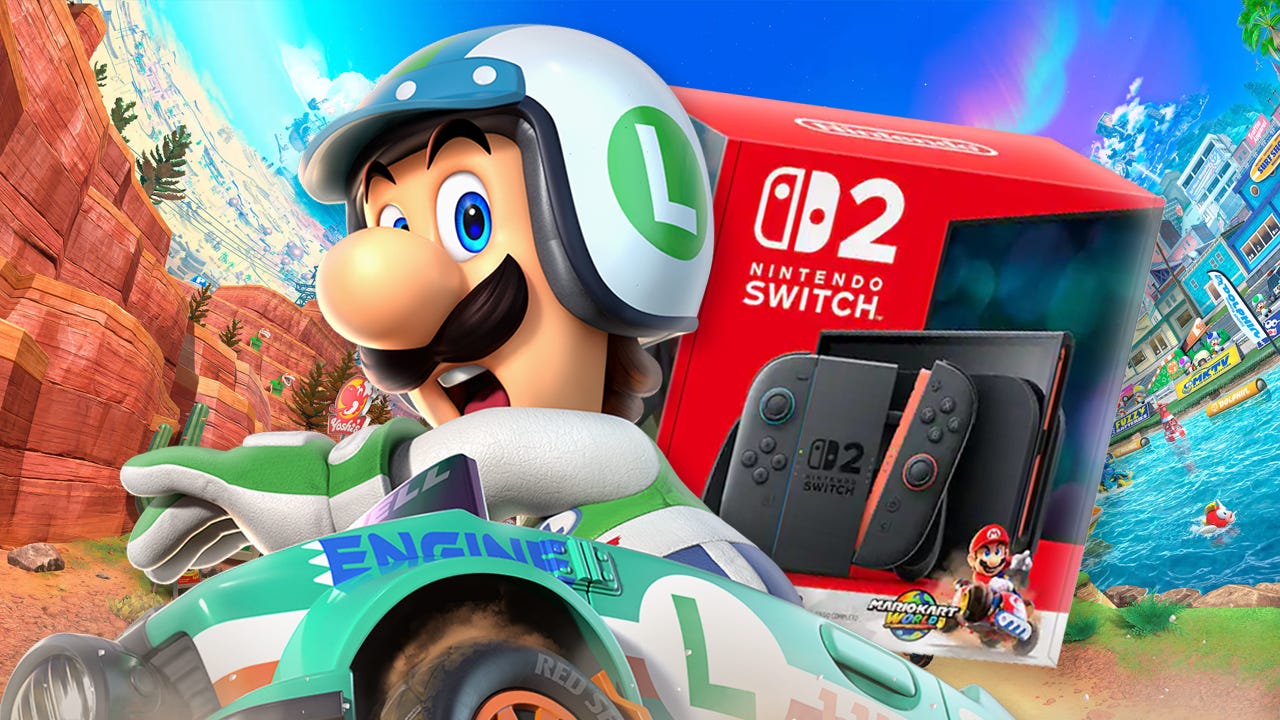
As the festive season sweeps across the globe, bringing with it a torrent of consumer spending, the gaming industry once again steps into the spotlight with aggressive holiday offerings. This past December 20th, deals for highly anticipated systems like the Nintendo Switch 2, bundled with games such as 'Mario Kart World,' and the powerful PS5 Pro, weren't just last-minute gift ideas; they were strategic maneuvers hinting at a profound transformation within the console market. NovaPress delves deep into how these specific holiday deals are not merely about moving units, but about laying the groundwork for the next decade of gaming.
The Holiday Gold Rush: A Battlefield for Market Share
The holiday season has always been the Super Bowl for console manufacturers. It’s a period where consumer desire, gift-giving traditions, and aggressive marketing converge to define annual sales charts and establish market dominance. The appearance of bundles like the Nintendo Switch 2 alongside a tentpole title, or the availability of a refreshed PS5 Pro, signals an industry acutely aware of this critical window. These aren't accidental price drops; they are calculated plays designed to capture significant market share, secure new users, and solidify brand loyalty during the most lucrative shopping period of the year.
Nintendo's Masterstroke: The Switch 2 + Mario Kart World Bundle
The inclusion of a 'Nintendo Switch 2 + Mario Kart World Bundle' in holiday promotions is nothing short of a strategic masterstroke. Nintendo has historically excelled at bundling its hardware with its most iconic franchises to drive adoption. 'Mario Kart' is a universal appeal title, a gateway game for casual players and a beloved staple for veterans. Bundling it with a brand-new console like the Switch 2 achieves several critical objectives:
- Instant Value Proposition: Consumers perceive greater value when a highly desired game is included, especially with a new console launch where standalone game purchases can add up quickly.
- Accelerated Adoption: It encourages immediate uptake of the new hardware, bypassing the usual 'wait and see' period for early adopters.
- Family Appeal: Mario Kart is synonymous with family fun, making the Switch 2 an irresistible holiday gift for households.
- Market Penetration: This aggressive bundling ensures a wide installation base from day one, setting the stage for future software sales.
This strategy suggests Nintendo is doubling down on its unique market position, leveraging beloved IP to differentiate its hardware in an increasingly competitive landscape, and potentially shortening the traditional console lifecycle through rapid, high-value introductions.
Sony's Power Play: The PS5 Pro's Calculated Entrance
Concurrently, the presence of the PS5 Pro in holiday deals highlights Sony's strategy to cater to the performance-hungry segment of the market. Unlike Nintendo's family-friendly approach, the 'Pro' moniker typically implies enhanced graphical capabilities, faster load times, and a premium gaming experience. The PS5 Pro's availability during the holiday crunch signifies:
- Targeting Enthusiasts: It aims directly at core gamers and tech aficionados who prioritize cutting-edge performance and are willing to pay a premium for it.
- Mid-Cycle Refresh: The 'Pro' model strategy has proven effective in extending the relevance of a console generation, offering a substantial upgrade without requiring a full generational leap.
- Maintaining Market Leadership: By offering a top-tier option, Sony reinforces its position at the forefront of graphical fidelity and immersive gaming experiences, keeping competitors on their toes.
This dual-pronged approach from industry giants suggests a future where console manufacturers are increasingly segmenting their audiences with tailored hardware offerings, potentially leading to more frequent, incremental hardware upgrades rather than distinct, lengthy generations.
Future Implications: An Accelerated Evolution?
These holiday deals are not isolated incidents; they are symptomatic of broader trends shaping the future of interactive entertainment. We can infer several significant implications:
- Shortened Console Cycles: The introduction of 'Pro' models and rapid successors (like the Switch 2 following the original Switch) suggests a move away from 7-year generational gaps towards more frequent hardware refreshes. This mirrors the smartphone market, where annual or bi-annual upgrades are common.
- Value Bundling as Standard: Expect bundles to become the norm, especially during launch windows and peak sales seasons. The battle will shift from just hardware price to the perceived value of the entire package – hardware, software, and even subscription services.
- Diversified Offerings: Manufacturers will likely continue to offer a range of hardware tiers (e.g., base, 'lite,' 'pro') to cater to different budgets and performance expectations, maximizing their reach across various consumer demographics.
- Evolving Consumer Expectations: Gamers will increasingly expect not just new consoles, but compelling launch bundles and consistent performance upgrades, putting pressure on developers and hardware makers alike.
Conclusion: A Dynamic New Era for Console Gaming
The holiday deals witnessed on December 20th for consoles like the Nintendo Switch 2 and PS5 Pro were more than just temporary price cuts. They were a powerful indicator of a console market in flux, one that is aggressively adapting to consumer demands for value, performance, and immediate gratification. As we look ahead, the gaming landscape promises to be more dynamic than ever, characterized by strategic bundling, accelerated hardware cycles, and a relentless pursuit of market dominance. For gamers, this means a future filled with exciting choices, but also a rapidly evolving ecosystem that demands continuous attention. The 'new deal' in gaming is here, and it's redefining everything we thought we knew about console generations.