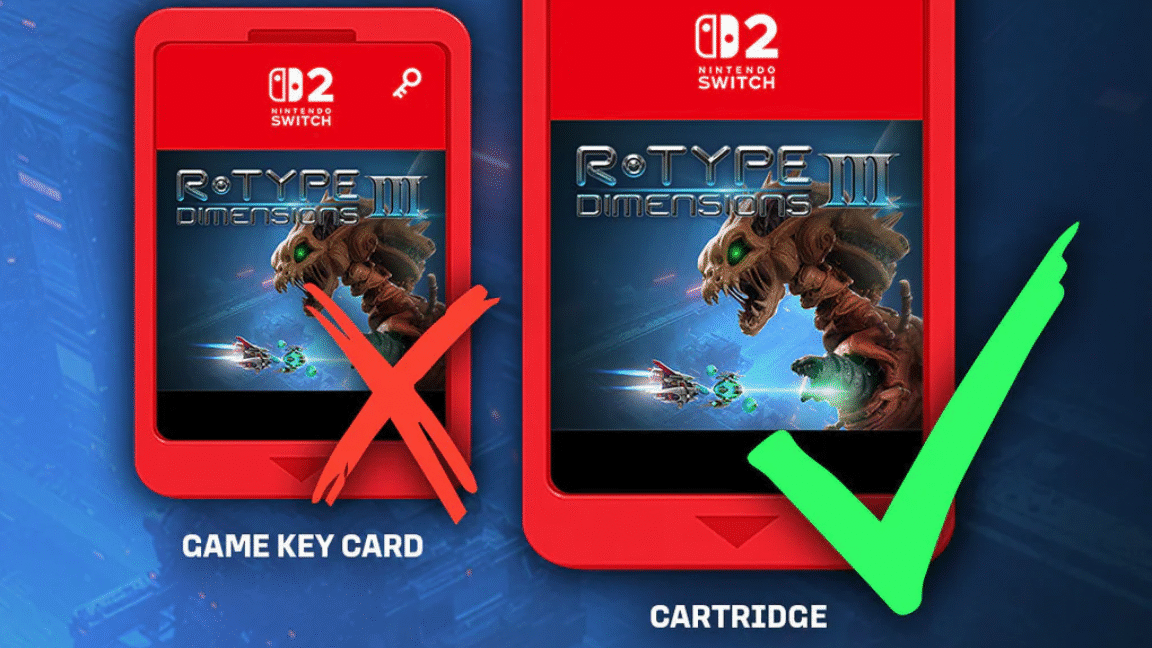
The gaming industry constantly grapples with the balance between digital convenience and the enduring appeal of physical media. For Nintendo's much-anticipated "Switch 2" (or whatever its successor may be named), this tension has been particularly palpable. Recent developments involving publisher Inin Games have offered a fascinating, and potentially game-changing, glimpse into Nintendo's strategy, suggesting a future where physical cartridges remain more viable than many anticipated.
The Initial Publisher Dilemma
For years, smaller and mid-tier publishers have faced an increasing dilemma. While digital distribution offers unparalleled reach and eliminates manufacturing overheads, a significant segment of the gaming audience still values physical copies for their collectibility, resale value, and the sense of ownership they provide. The cost of producing cartridges, especially for smaller print runs, can be prohibitive, pushing many to consider digital-only releases or hybrid solutions like "game key cards" – essentially empty boxes containing a download code. Inin Games, known for its retro re-releases and niche titles, initially signaled its intent to lean into the latter for its upcoming Switch 2 titles, citing production costs.
The Pivotal Reversal: "Lower-Cost Options" Emerge
Then came the unexpected twist. After reports of Inin's plans for game key cards circulated, the publisher swiftly reversed course, stating that "new low-cost options" for cartridge production had allowed it to "recalculate production" for full physical cartridges. This isn't merely a change of heart by one publisher; it's a profound signal about the broader ecosystem Nintendo is cultivating for its next console.
Decoding the "Lower-Cost Options"
What exactly do these "new low-cost options" entail? Several possibilities emerge, each with significant implications for both publishers and players:
- Tiered Cartridge Pricing/Capacities: Nintendo might be offering a wider range of cartridge capacities at more competitive price points, or perhaps even a base-level, lower-cost cartridge suitable for smaller games. This would allow publishers to avoid paying for larger storage they don't need, reducing overall unit costs.
- Streamlined Manufacturing: Nintendo, or its manufacturing partners, could have refined their production processes, leading to greater efficiencies and economies of scale. As a platform holder, Nintendo has immense leverage to negotiate better rates with its suppliers.
- Bulk Purchase Incentives: Publishers committing to larger initial print runs or utilizing a specific number of cartridge units might receive significant discounts, making physical releases more attractive for popular titles.
The most probable scenario involves a combination of tiered pricing and streamlined manufacturing, indicating a deliberate and strategic effort by Nintendo to support a robust physical market for its next platform.
Implications for Nintendo's Strategy and the Industry
This development strongly suggests Nintendo is actively working to keep physical media attractive for developers and consumers alike, setting its next console apart in an increasingly digital landscape.
- Maintaining Market Differentiation: In a gaming world dominated by PC and competing consoles leaning heavily into digital, a strong commitment to physical media could be a key differentiator for Nintendo, catering to collectors, gift-givers, and those with limited internet access.
- Enhanced Publisher Support: By lowering the barrier to entry for physical releases, Nintendo fosters goodwill with publishers, especially smaller entities for whom physical release decisions are often make-or-break. This encourages a wider variety of physical games.
- Boosted Consumer Confidence: It reassures consumers who feared an all-digital future for the Switch 2, reinforcing the value proposition of owning physical games and preserving the joy of collecting.
- Reduced "Key Card" Reliance: Publishers will be less inclined to resort to the unpopular "game key card" model, which often disappoints consumers expecting a physical game inside the box.
The Future Landscape
The revelation of lower-cost cartridge options could have a ripple effect across the industry. A healthy physical game market ensures that retailers continue to stock and promote Switch 2 titles, providing valuable shelf space and marketing reach that digital-only titles cannot replicate. While manufacturing physical cartridges has an environmental footprint, it also often allows for fewer subsequent downloads/re-downloads over the product lifecycle, which has its own energy demands. The discussion around sustainability in gaming (physical vs. digital) remains complex, but accessibility and consumer choice are clearly winning here.
Conclusion
Inin Games' swift retraction, driven by newfound "lower-cost cartridge options," is more than just a footnote in pre-release console speculation. It's a significant indicator that Nintendo is poised to champion physical media in the next generation, defying industry trends towards an increasingly digital-only future. By making physical cartridges more economically viable for publishers, Nintendo isn't just supporting a segment of its audience; it's strategically positioning the Switch 2 to offer a comprehensive, and appealing, ecosystem that balances modern convenience with the enduring charm of physical ownership. This move could very well define the console's early success and shape the gaming landscape for years to come.