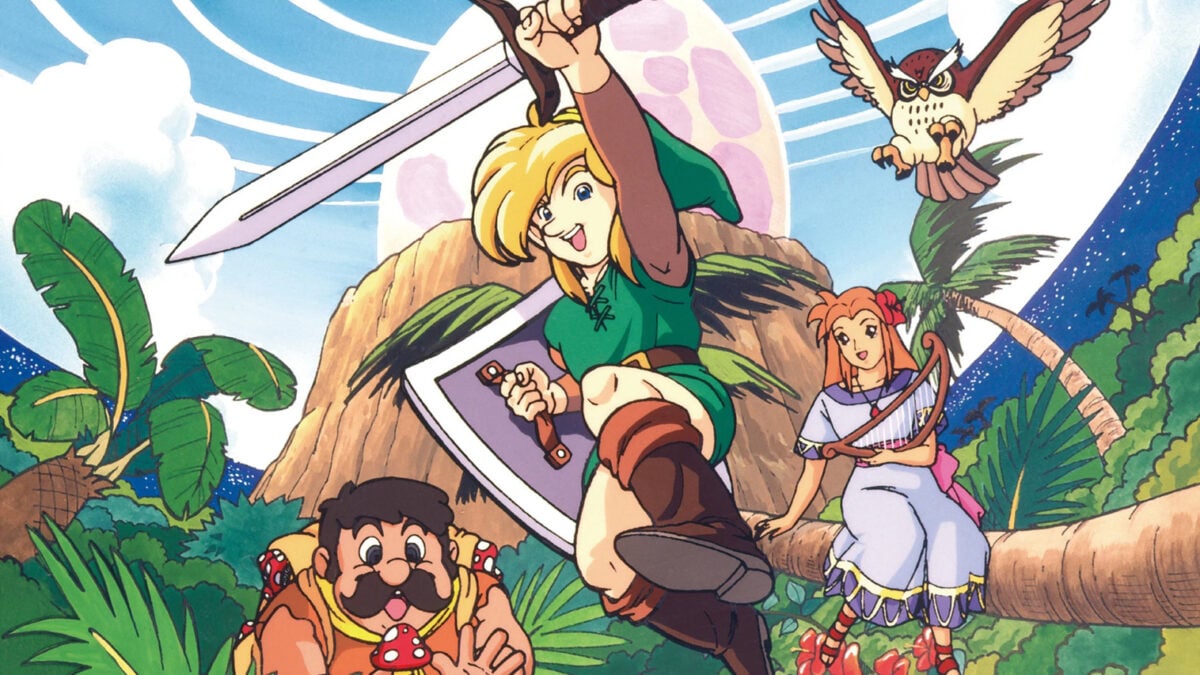
A Legacy Built on Intuition
The retirement of Takashi Tezuka marks the end of an era for Nintendo, signaling the departure of a creative force whose influence helped shape the very DNA of modern adventure gaming. Unlike many of his contemporaries who emerged from the high-pressure churn of 1980s arcade culture, Tezuka brought a fresh, literary, and otherworldly perspective to the medium.
The Outsider's Advantage
Tezuka’s brilliance lay in his refusal to overcomplicate the mechanics of player wonder. His work on the Legend of Zelda franchise was characterized by a minimalist philosophy: prioritize the player's curiosity over rigid tutorial systems. By drawing from sources outside the traditional gaming canon—ranging from mythological lore to pastoral observations—he created immersive worlds that felt earned rather than engineered.
Future Implications for Nintendo
As Nintendo navigates an industry moving toward hyper-realism and complex monetization, Tezuka’s exit serves as a litmus test for the company’s creative direction. Can the 'Tezuka spirit'—the ability to find magic in simplicity—survive without its primary architect? His retirement isn't just the exit of an executive; it is a challenge to the next generation of designers to stop overthinking the code and start focusing on the player's feeling.