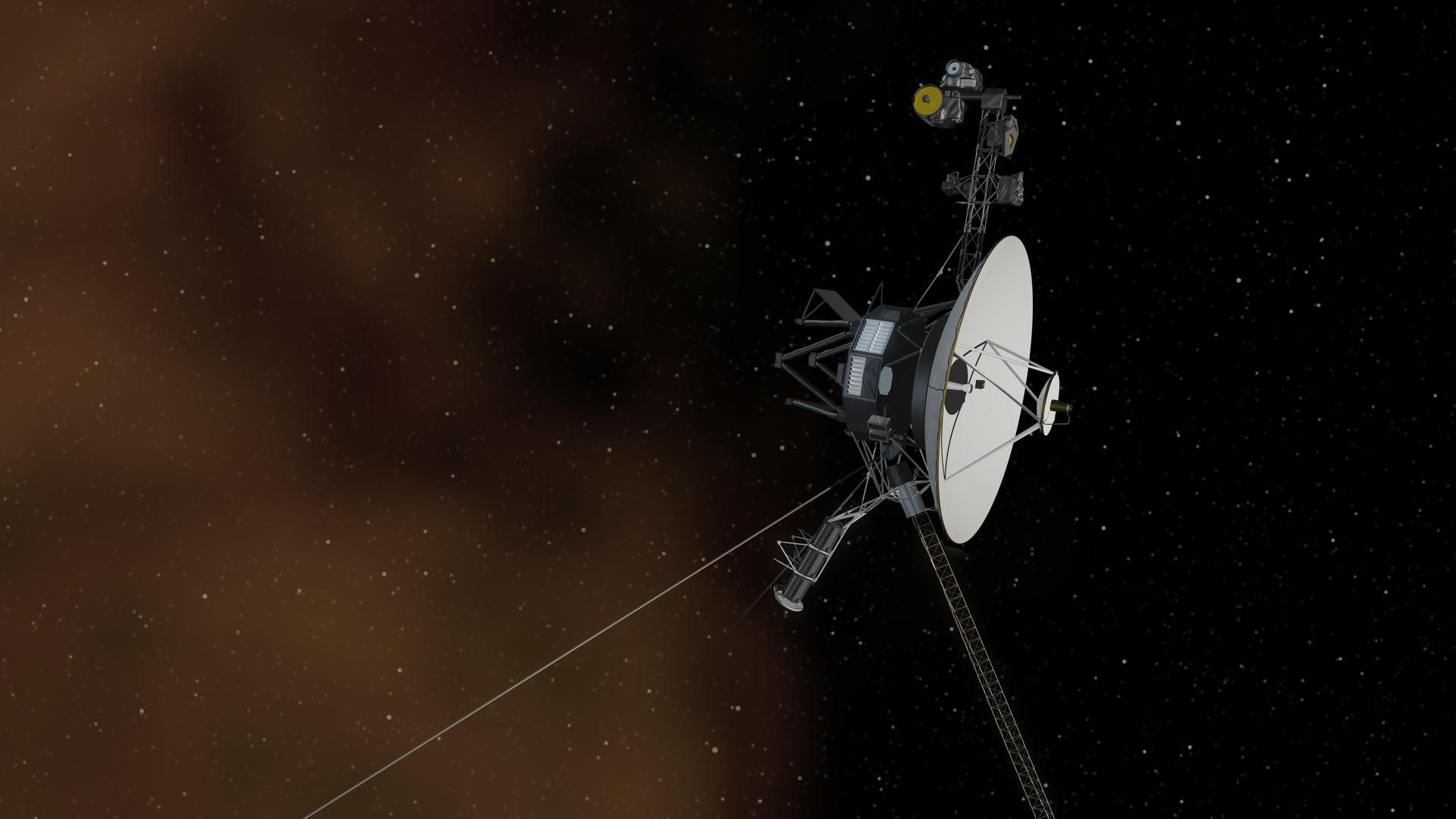
The Odyssey of the Voyagers
Launched in 1977, the Voyager 1 and 2 spacecraft have long since transcended their original missions. Having traversed the outer planets and crossed the heliopause into interstellar space, these robotic pioneers are now operating on the absolute margins of their power budgets. Nearly 50 years after launch, their radioisotope thermoelectric generators (RTGs) are producing significantly less energy, forcing NASA engineers to make agonizing choices about which instruments must be deactivated.
The 'Big Bang' Strategy
NASA is currently devising a sophisticated power-management initiative often referred to as a "Big Bang" maneuver. This strategy involves carefully shifting power loads to prioritize the most critical data-gathering instruments. By decommissioning secondary systems, mission controllers hope to eke out precious years of scientific insight from the interstellar medium—a region of space we have never before had the chance to study in situ.
Future Implications
The survival of the Voyagers is not just a triumph of 1970s engineering; it is a test of our endurance as a species. Every bit of data returned is a record of a human artifact existing in the true unknown. As we look toward the eventual silence of these probes, we are reminded that our footprint in the cosmos is fragile, yet our desire to listen to the echoes of the universe remains boundless.