A Silent Landscape Speaks
For decades, archaeologists largely dismissed the northern regions of Sri Lanka as inhospitable voids. The prevailing hypothesis suggested that a lack of accessible stone tools made these areas unsuitable for prehistoric human settlement. However, a groundbreaking study published in the Journal of Island and Coastal Archaeology has dismantled this long-standing narrative, proving that early islanders were far more resourceful than previously imagined.
Redefining Survival
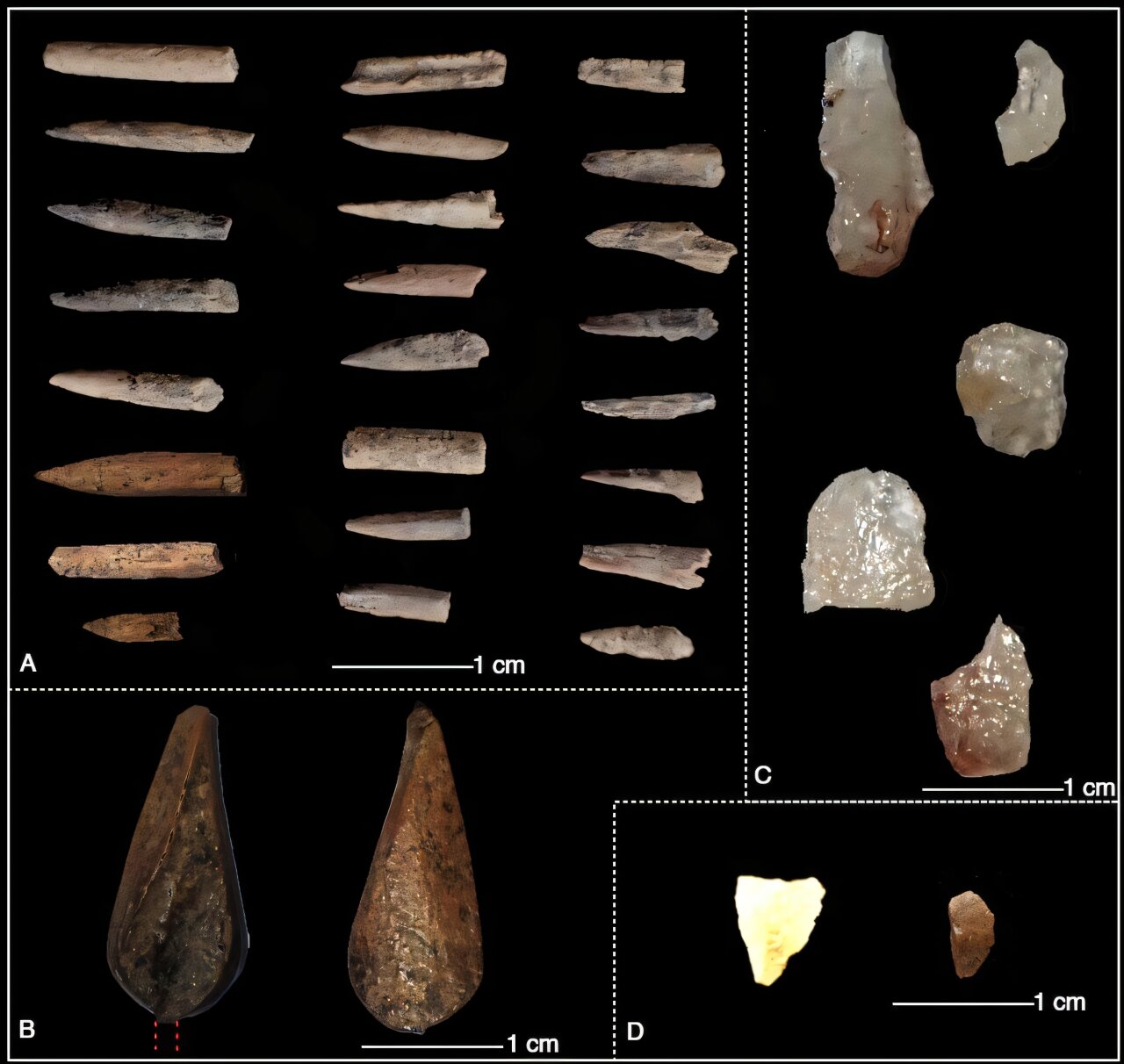
The research provides concrete evidence of early occupation in a region previously thought to be a desert of human activity. By analyzing stratigraphic layers and artifacts, the researchers have demonstrated that prehistoric populations possessed the behavioral flexibility to thrive in environments lacking traditional raw materials. This discovery suggests that coastal and island-dwelling societies utilized organic substitutes or innovative transport networks to sustain themselves.
Implications for Future Studies
This paradigm shift forces a re-evaluation of human migration patterns and adaptive strategies across the Indian Ocean rim. If early humans could successfully occupy the northern reaches of Sri Lanka, it invites us to reconsider the untapped potential of other 'barren' landscapes globally. The future of archaeology lies in questioning the 'voids' on our maps; this study serves as a masterclass in challenging historical bias and uncovering the true depth of human resilience.