The Silence of the Digital Town Square
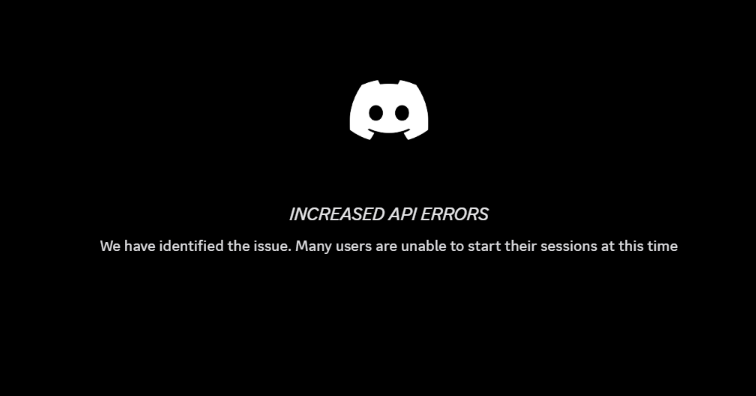
When Discord goes dark, it isn't just an app failing; it is a fundamental shift in how millions experience the modern internet. As a central hub for everything from casual social groups to professional operations, the platform has transcended its origins as a gaming tool to become critical communications infrastructure. The recent, widespread outage reminds us of our increasing reliance on centralized servers.
Why Centralization is a Double-Edged Sword
The efficiency of Discord’s architecture is what makes it so user-friendly, but it also creates a single point of failure. Unlike decentralized protocols that offer more resilience, platforms like Discord are inherently susceptible to cascading technical failures. This event highlights the urgent need for robust contingency planning in an era where digital presence is synonymous with business and social continuity.
Looking Ahead: Resilience in Real-Time
As we recover from this incident, the tech industry must address the systemic stability of real-time communication platforms. Reliability is no longer a luxury; it is the core value proposition of our digital existence. Moving forward, the conversation must shift toward distributed systems and enhanced redundancy to ensure that our online communities are not held hostage by the next inevitable server-side failure.