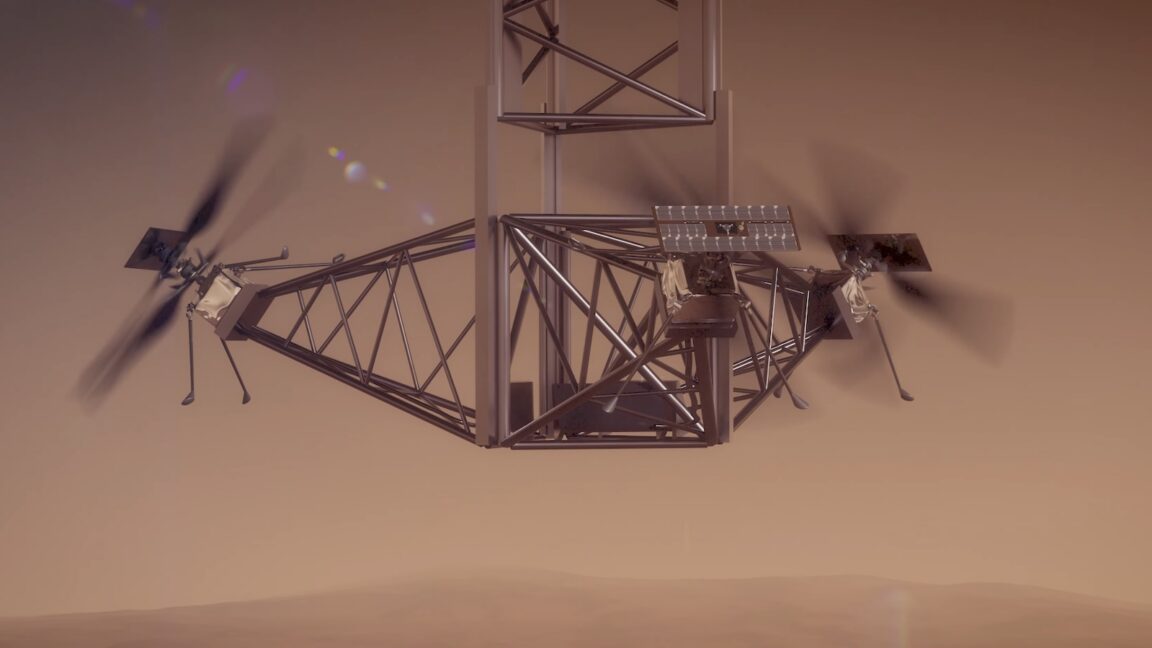
Engineering Against Physics: The Supersonic Dilemma
For decades, the transition into supersonic flight for rotor-based craft has been the 'final boss' of aeronautical engineering. The extreme stress placed on rotating blades as they approach the speed of sound typically leads to catastrophic structural failure. However, engineers at NASA’s Jet Propulsion Laboratory have recently unveiled a breakthrough that challenges these long-standing limitations.
The Material Science Revolution
Recent testing data reveals that new rotor blade designs have successfully maintained structural integrity while spinning at supersonic speeds. This isn't merely an incremental upgrade; it is a fundamental shift in how we approach fluid dynamics and material fatigue in high-velocity environments.
Future Implications for Aerospace
By stabilizing rotor blades at these velocities, NASA is paving the way for advanced vertical takeoff and landing (VTOL) vehicles that can operate with unprecedented efficiency and speed. Whether applied to terrestrial defense, planetary exploration drones, or high-speed transport, this discovery effectively removes a critical barrier to the next generation of aerial mobility.