The Death of the Blank Slate
For centuries, the philosophical concept of the tabula rasa—the idea that humans are born as a 'blank slate' waiting to be inscribed by experience—has dominated our understanding of cognitive development. However, a groundbreaking new study on mice is forcing the scientific community to reconsider this foundational belief.
The 'Messy' Reality of Early Development
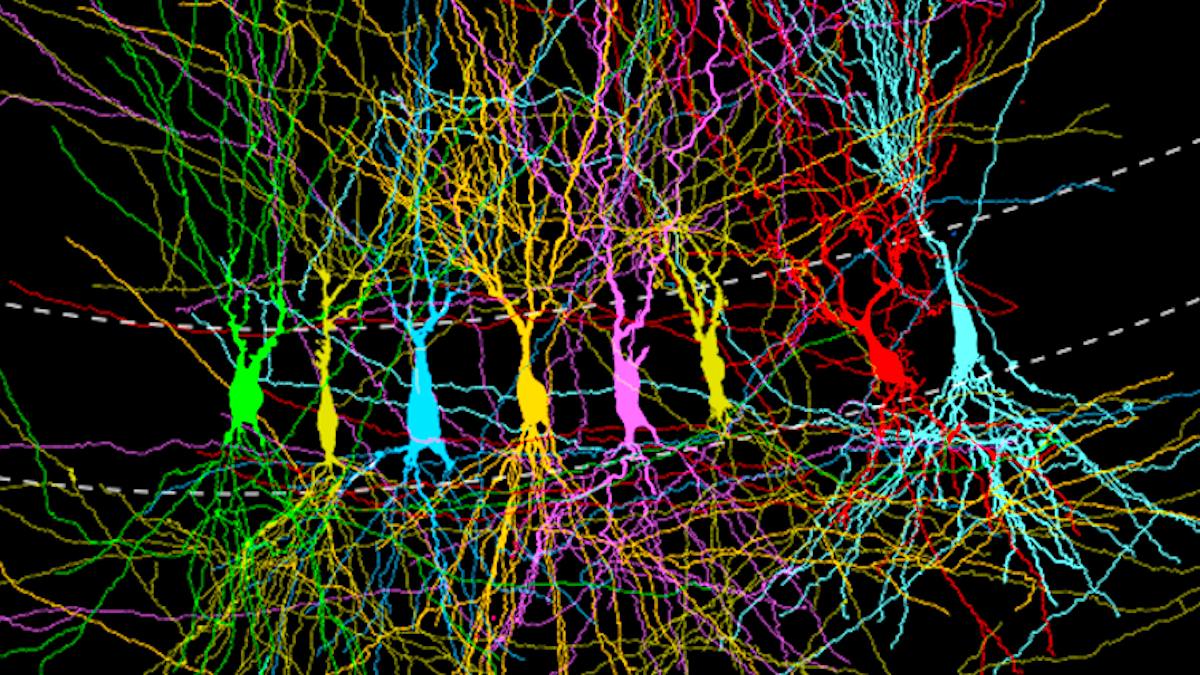
Researchers have uncovered evidence suggesting that the brain does not begin as an empty vessel. Instead, it starts life 'full'—a dense, chaotic landscape of pre-existing neural configurations. This 'messy' internal architecture appears to be the starting point, not the outcome, of our early life experiences. Rather than building memory from scratch, the developing brain functions like a sculptor, trimming away the unnecessary and optimizing existing pathways to sharpen our perception of the world.
Future Implications for AI and Medicine
The implications of this discovery are profound. If our brains are pre-programmed with intrinsic data, it shifts our understanding of neurodevelopmental disorders, learning disabilities, and even the potential for artificial intelligence design. By understanding the brain as an optimization engine rather than a passive recorder, we may unlock new ways to treat cognitive decline or enhance human learning processes.