The Shadow Supply Chain
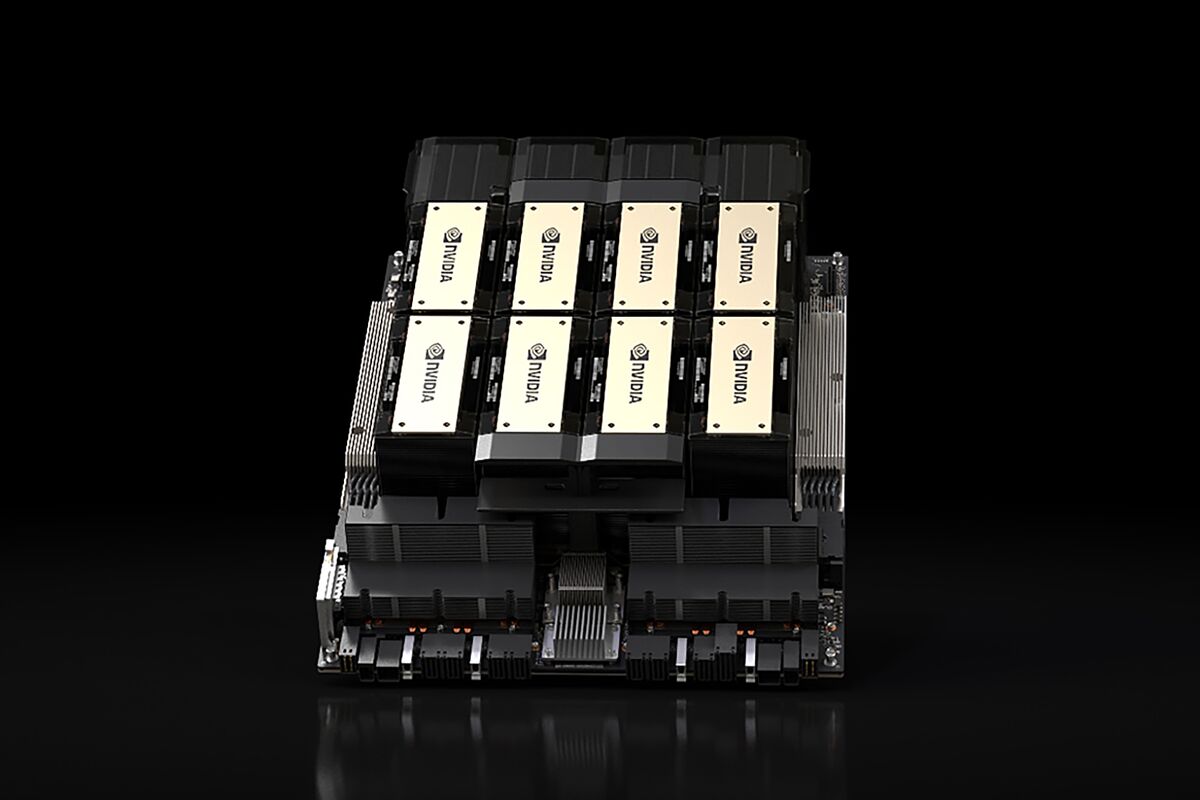
In an era where advanced semiconductors have become the new 'strategic oil,' a staggering revelation has surfaced regarding the clandestine movement of high-end technology. Reports indicate that a central player in Thailand’s national AI infrastructure may be acting as a conduit for a multibillion-dollar smuggling operation, routing Super Micro Computer servers—equipped with restricted Nvidia chips—directly into the hands of Chinese giants like Alibaba.
The Geopolitical Stakes
This development exposes the fragility of current US export controls. By leveraging Thai entities to circumvent sanctions, Chinese firms are finding ways to sustain their momentum in the global AI race despite rigorous efforts to throttle their hardware access. For Washington, this represents a significant intelligence and policy failure, suggesting that hardware 'leaks' are occurring through sophisticated third-party jurisdictions.
Future Implications
The fallout from this discovery will likely trigger an aggressive crackdown on the supply chain ecosystem in Southeast Asia. Expect the US Department of Commerce to tighten oversight on export verification, potentially impacting other nations involved in regional AI assembly. As the battle for compute power intensifies, the cost of these illicit workarounds will continue to rise, forcing global tech firms to choose between market access and regulatory compliance.