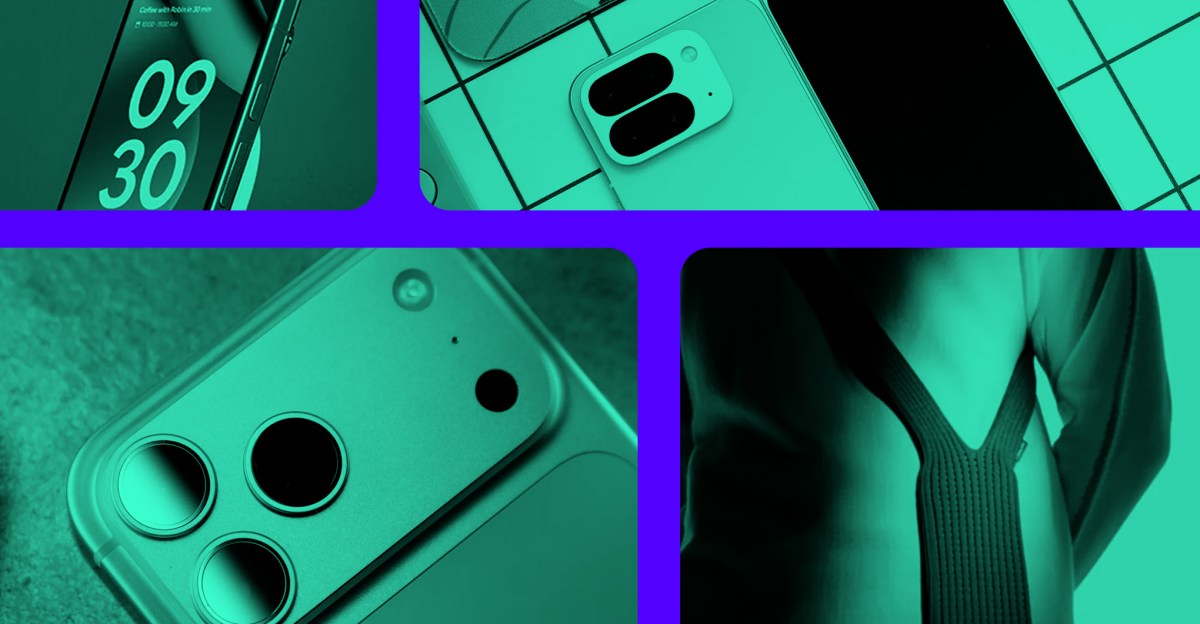
For years, the smartphone market was a sea of sleek, anonymous black rectangles. Functionality reigned supreme, and design, while refined, often prioritized minimalist utility over audacious expression. But then came 2025 – a year that dramatically rewrote the rules, transforming our ubiquitous pocket companions from mere tools into definitive fashion statements. The era of the 'boring black rectangle' was officially over, ushering in an exciting confluence of technology and high-fashion aesthetics.
The Great Awakening: Design Takes Center Stage
What sparked this sartorial revolution? Market maturity played a significant role. With processor speeds and camera capabilities reaching plateauing levels of 'good enough' for most consumers, manufacturers sought new avenues for differentiation. The answer, it turned out, lay not in incremental spec bumps, but in bold, expressive design. Consumers, too, were increasingly seeking devices that reflected their personal style, demanding more than just raw power from their daily drivers.
The shift was palpable across the industry. Motorola, long a proponent of innovative form factors, spearheaded the movement with its Razr Ultra, featuring an unexpected, tactile wooden back. This wasn't just a material choice; it was a philosophical statement, blending natural warmth with cutting-edge tech. Apple, not to be outdone, made its own powerful declaration with the iPhone 17 Pro's debut in a vibrant Cosmic Orange. This wasn't just another color option; it was a deliberate, high-visibility hue designed to turn heads and resonate with fashion-forward individuals, a stark contrast to the muted palettes of previous generations.
Materials, Textures, and a New Palette
The design ethos of 2025 extended far beyond just color. Manufacturers experimented with a diverse range of materials – from polished ceramics and brushed metals to sustainable, recycled polymers with unique textures. Haptic feedback became more nuanced, integrated into the very feel of the device. Screens, while still a primary interface, were increasingly framed by bezels that were themselves design elements, offering contrasting textures or subtle metallic sheen. This holistic approach treated the smartphone as a complete canvas, where every surface and curve contributed to its overall aesthetic appeal.
Furthermore, partnerships between tech giants and luxury fashion houses became more common and integral, moving beyond simple branded cases to deep co-creation of device aesthetics. This cross-pollination injected a sense of runway-ready design directly into the tech world, blurring the lines between what was considered a gadget and what was a legitimate accessory.
Societal Echoes and Future Horizons
The resurgence of fashionable phones in 2025 signals a deeper cultural shift. Our devices are no longer just tools; they are extensions of our identity, as much a part of our personal branding as our clothing or eyewear. This trend highlights a growing desire for individuality in an increasingly digitized and standardized world. The phone, once hidden away, became an object to be seen, discussed, and admired.
Looking ahead, the implications are profound. Will we see even greater modularity, allowing users to swap out phone backs or frames like fashion accessories? Could the distinction between 'tech' and 'fashion' departments in retail stores become completely obsolete? As AI integration becomes seamless and performance benchmarks less of a differentiator, the battleground for consumer loyalty will increasingly shift to aesthetics, customization, and the emotional connection a device evokes. 2025 didn't just bring back stylish phones; it redefined the very essence of what a smartphone could be – a potent blend of innovation, utility, and undeniable panache.