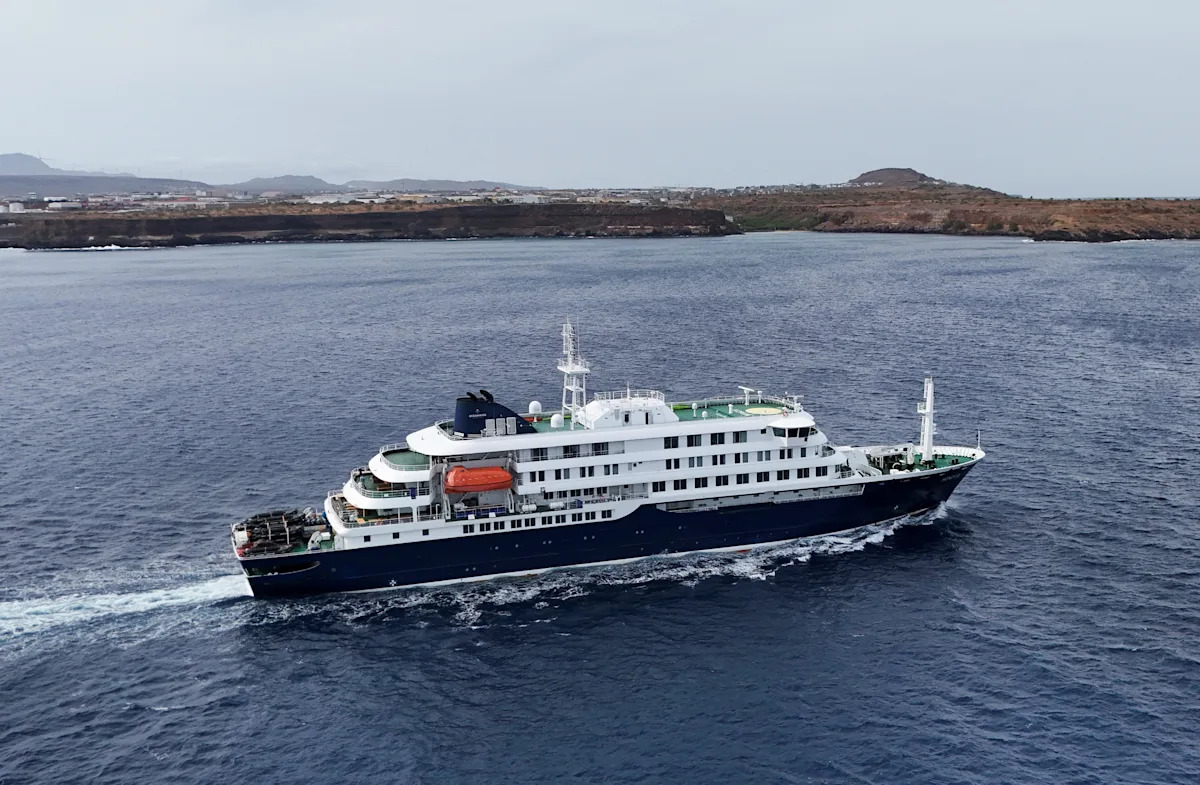
A Crisis in International Waters
The global travel industry is reeling following reports of a lethal hantavirus outbreak aboard the MV Hondius. With the death toll now standing at three—comprised of a Dutch couple and a German national—the situation has transcended a localized maritime issue to become a pressing international public health concern.
Analyzing the Scope of Exposure
The World Health Organization (WHO) has confirmed that at least eight individuals are now categorized as confirmed or suspected cases. Crucially, the danger has migrated off the ship; health authorities in three U.S. states have initiated active monitoring for passengers who returned home, raising questions about the containment protocols currently utilized by the cruise industry.
The Hidden Dangers of Zoonotic Pathogens
Hantavirus is primarily transmitted through contact with rodent excreta. Its emergence on a modern cruise vessel serves as a stark reminder of the vulnerability of closed-loop environments to zoonotic diseases. As the WHO and local health agencies conduct contact tracing, the broader implication is clear: the intersection of luxury tourism and wildlife proximity requires a drastic overhaul of sanitation and environmental surveillance standards.
Future Implications for Global Travel
Moving forward, this outbreak will likely trigger a tightening of maritime health regulations. NovaPress analysis suggests that cruise operators may soon face mandatory rodent control audits and stricter infectious disease screening protocols at international ports. The question remains: is the industry prepared to handle the silent threat of endemic diseases in an era of hyper-connected global travel?