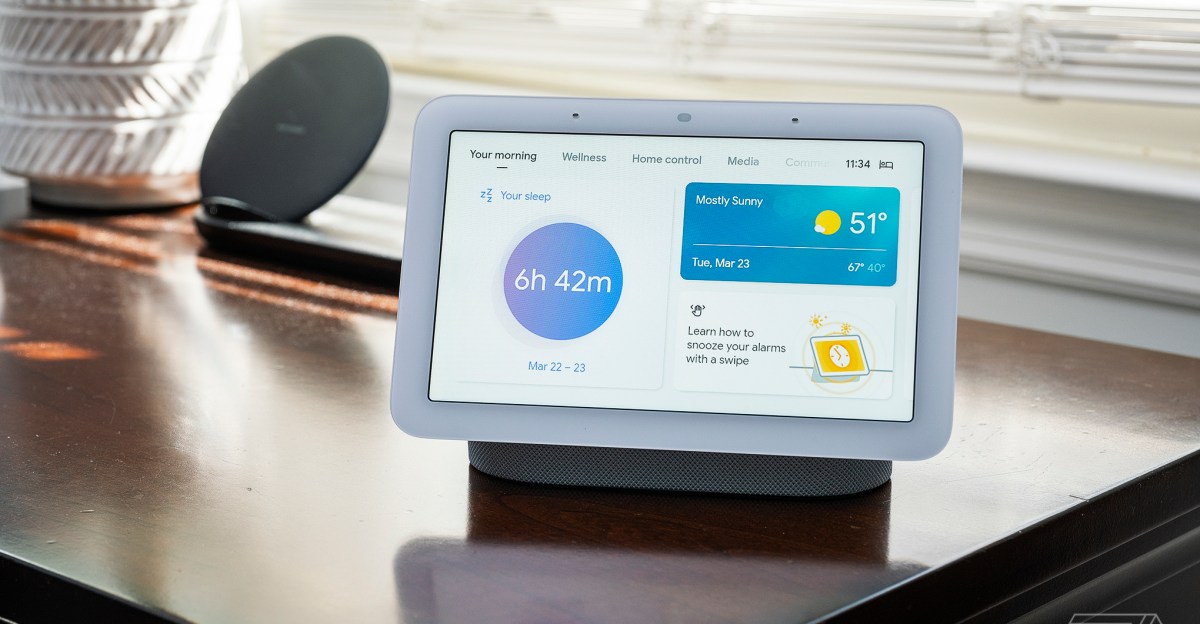
The Evolution of Smart Home Control
For years, the smart home experience has been hindered by a 'one-command, one-task' limitation. Users were forced to speak in rigid, robotic syntax to ensure their virtual assistants understood basic intentions. With the announcement of Gemini 3.1, Google is finally shattering this barrier, transitioning from simple voice-to-action interpretation to sophisticated, multi-intent logic.
Understanding Complex, Multi-Step Requests
The core of the Gemini 3.1 upgrade lies in its ability to synthesize multiple requests within a single voice command. Previously, asking an assistant to dim the lights, start a playlist, and set a timer required three distinct interactions. Gemini 3.1 processes these strings contextually, understanding the interplay between different smart home devices and services.
Future Implications for the Smart Ecosystem
This shift marks a significant milestone in the broader AI landscape. By reducing the friction between user intent and device execution, Google is moving closer to an 'agentic' smart home—one that requires less intervention and offers more intuitive support. As Gemini 3.1 becomes the standard, the competitive gap between basic assistants and advanced AI agents will continue to widen, forcing rivals to accelerate their own integration timelines.