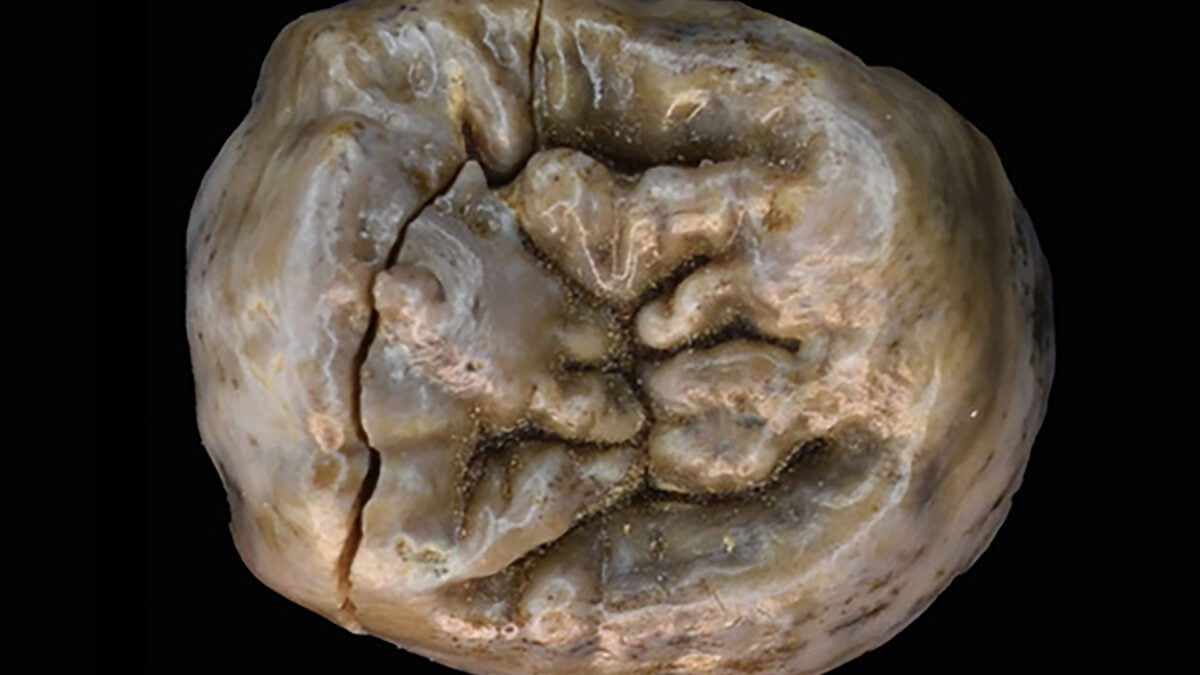
Rewriting the Origins of the Human Diet
For decades, the narrative of early human evolution has been dominated by the 'Man the Hunter' archetype. However, new research is fundamentally shifting our understanding of how our ancestors secured meat, moving away from simplistic portrayals of apex predators toward a more nuanced reality involving scavenging, opportunism, and complex environmental interaction.
The Nuance of Procurement
The latest data suggests that early hominids were not necessarily the formidable hunters we once assumed. Instead, survival was likely a mosaic of behavioral strategies. By analyzing stable isotope data and wear patterns on ancient tools, researchers are uncovering that meat consumption was often a byproduct of scavenging carcasses left by larger predators or opportunistic foraging. This reveals a level of ecological sophistication that required high spatial memory and social cooperation.
Future Implications for Evolutionary Biology
Why does this matter today? By debunking the myth of the hyper-aggressive early hunter, we gain a clearer picture of the biological imperatives that fueled brain expansion and social bonding. As we rethink our modern relationship with meat, understanding these evolutionary roots allows us to disentangle necessity from cultural habit, providing a critical lens through which to view our future nutritional trajectory on a changing planet.