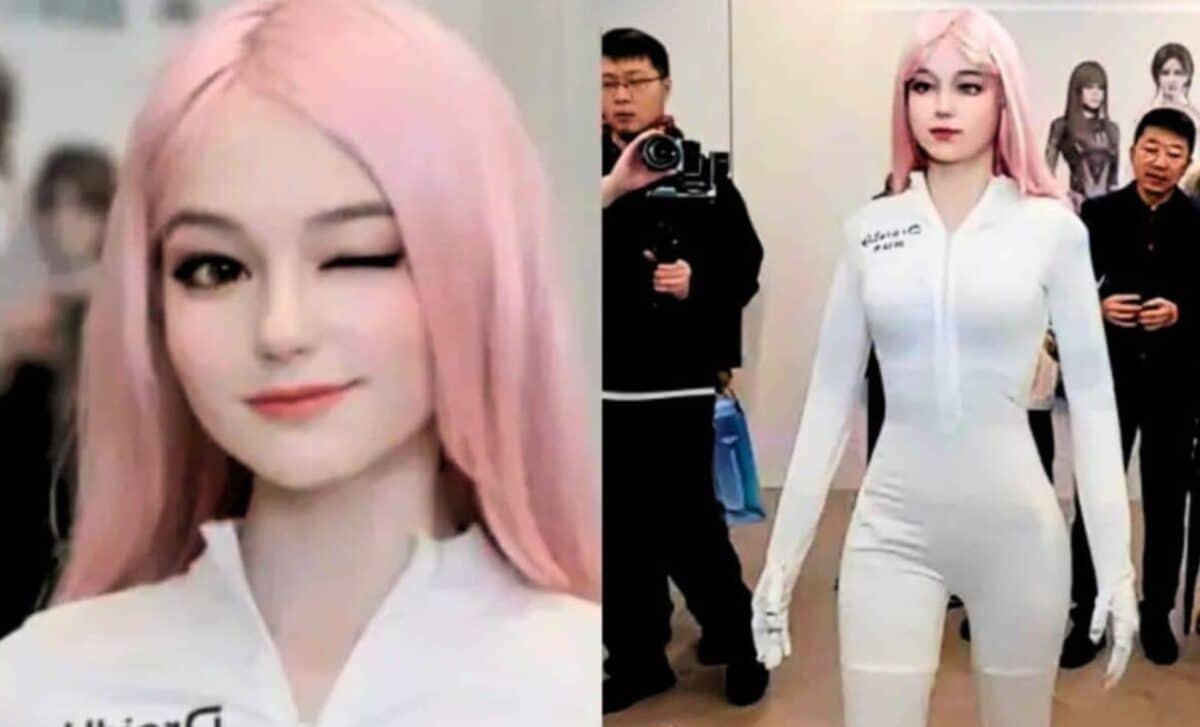
The End of the Robotic 'Tell'
For decades, the field of robotics has been defined by the 'uncanny valley'—the eerie dip in human comfort as a machine begins to look almost, but not quite, human. Most machines betray their artifice through mechanical whirs, rigid joints, or the characteristic latency of servo-motor responses. Enter Moya, the latest creation from Shanghai-based DroidUp, which has systematically dismantled these signals. By prioritizing fluid, non-linear movement, Moya achieves a level of biomimetic realism that is as impressive as it is unsettling.
Why 'Uncomfortable' Was the Design Goal
The discomfort experienced by viewers of Moya’s debut footage is not a product failure; it is a design feature. By engineering a machine that can hold sustained, calculating eye contact and perform micro-expressions that mirror human psychology, DroidUp is testing the limits of our social comfort thresholds. This is not merely an exercise in hardware aesthetics; it is a profound exploration of how biological empathy triggers can be manipulated by synthetic intelligence.
The Future of Human-Machine Socialization
As we pivot toward an era where AI-driven agents reside in physical vessels, Moya serves as a harbinger of the societal challenges to come. If a machine can perfectly replicate human sincerity, how do we distinguish between genuine interaction and sophisticated performance? The implications for privacy, social manipulation, and the definition of 'personhood' are vast. Moya is not just a robot; it is a mirror reflecting our own vulnerability to artificial intimacy.