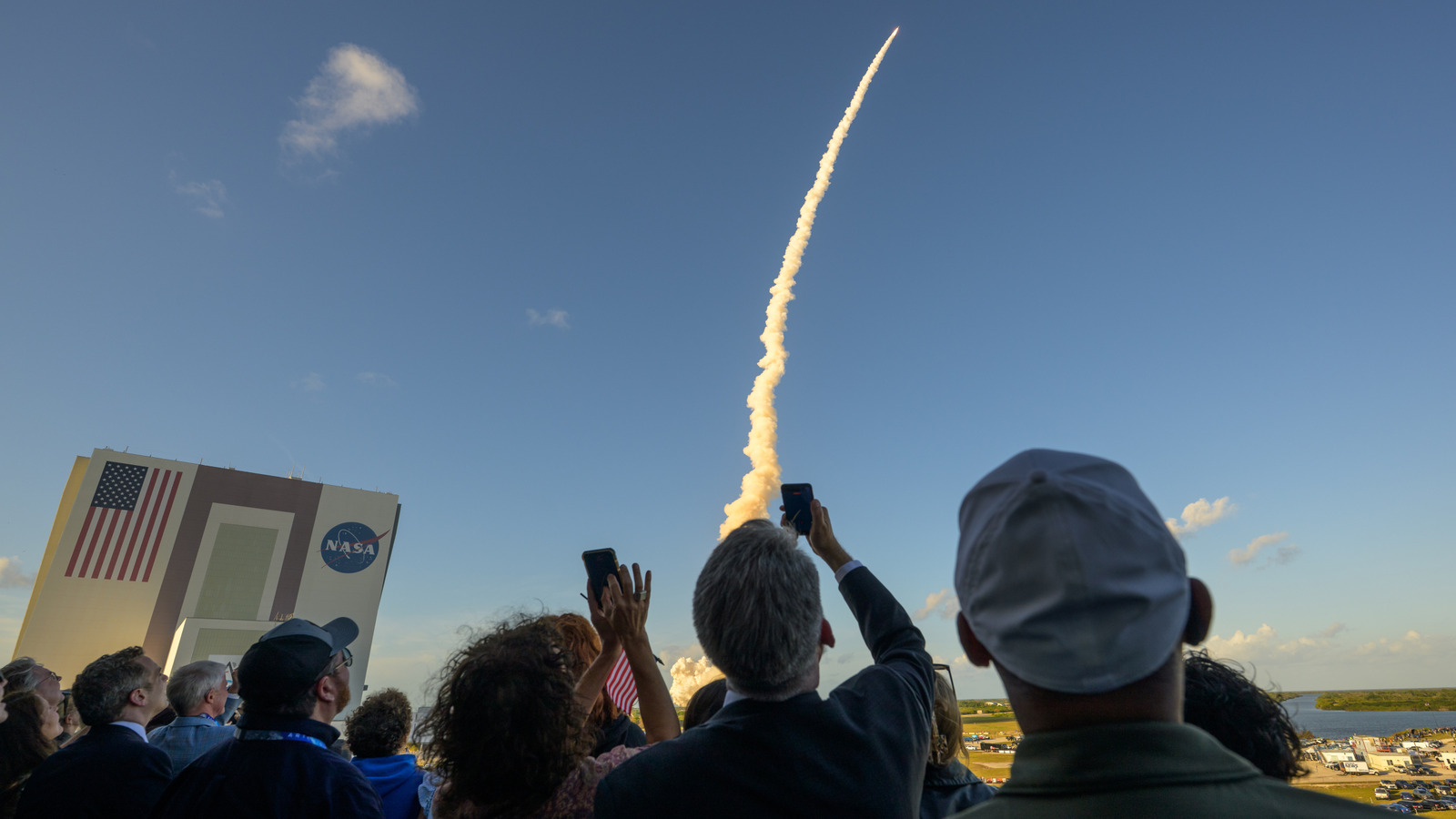
Beyond the Vertical Climb
To the casual observer, a rocket launch appears to be a direct assault on the heavens—a vertical pillar of fire punching through the atmosphere. However, as any aerospace engineer will confirm, the path to orbit is far more nuanced. The 'gravity turn' is not just a maneuver; it is a calculated dance with physics designed to maximize efficiency in the face of Earth’s relentless pull.
The Mechanics of the Curve
When a rocket lifts off, its primary goal isn't just altitude—it is velocity. To reach orbit, a spacecraft must achieve a specific horizontal speed (roughly 17,500 mph) to 'fall' around the planet. Shooting straight up would be the least efficient path imaginable, requiring an unsustainable amount of fuel. By initiating a subtle tilt early in the flight, the rocket begins to build this crucial lateral speed, leveraging gravity to help pivot the vehicle into a trajectory parallel to the Earth's surface.
The Future of Orbital Mechanics
As we enter the era of reusable rockets and commercial spaceflight, mastering the gravity turn is more critical than ever. Precision in this curved trajectory reduces aerodynamic stress and fuel consumption, directly impacting the bottom line of missions like Artemis II. As we look toward Mars and beyond, understanding these fundamental flight paths ensures that we aren't just reaching space—we are mastering the logistics of living within it.