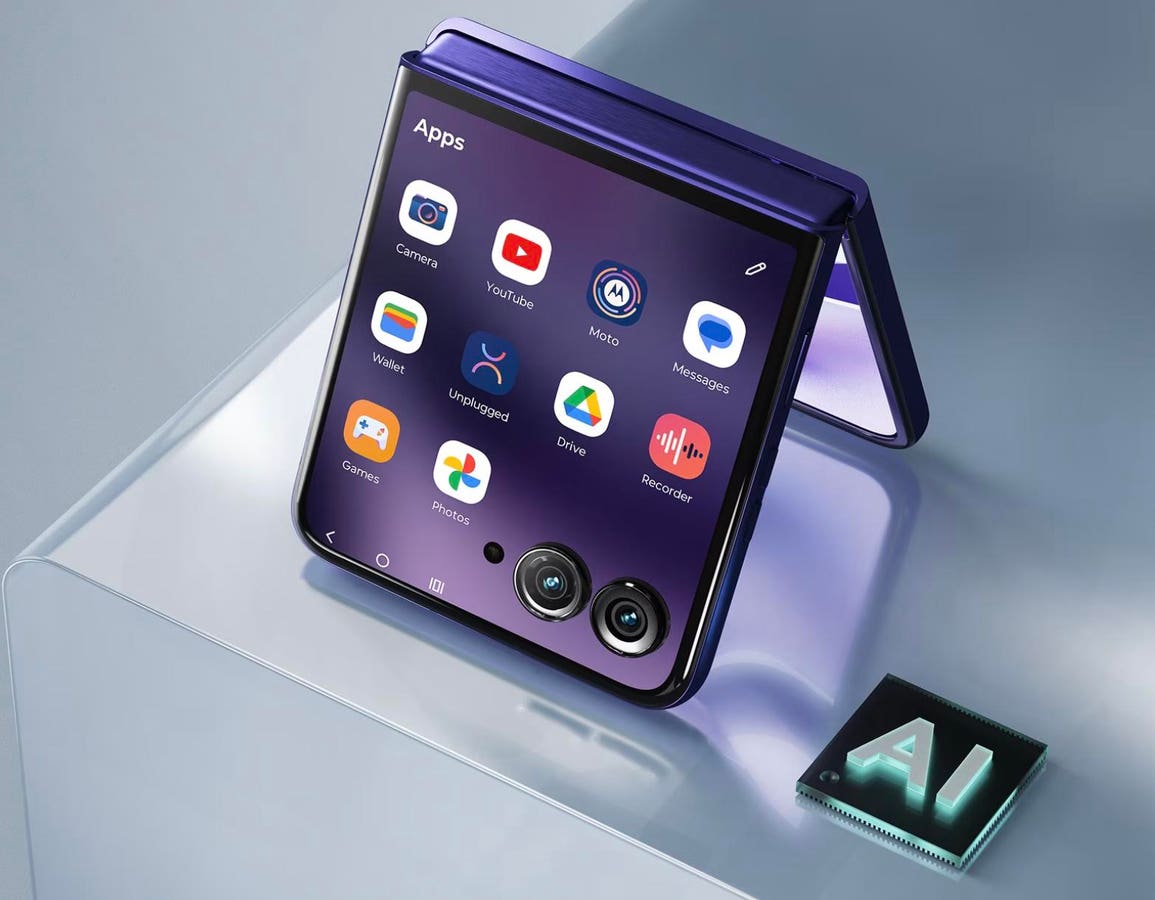
A Leap Beyond Lithium-Ion
For nearly a decade, the smartphone industry has hit a wall regarding battery density. While processing power and display quality have surged, energy storage has remained tethered to aging lithium-ion standards. Motorola has effectively broken this stagnation with the launch of the Razr Ultra 2026, marking the first major U.S.-focused integration of carbon-silicon battery technology.
Why Carbon-Silicon Changes Everything
Unlike traditional graphite anodes, carbon-silicon composite anodes offer significantly higher energy density. This allows Motorola to achieve two goals: maintaining the slender, foldable form factor that define the Razr series while simultaneously increasing overall capacity. This isn't just an incremental update; it is an architectural shift that addresses the primary pain point of foldable devices—limited internal space for power cells.
The Competitive Landscape
Apple and Samsung have long dominated the premium segment, often favoring iterative stability over radical component shifts. By being the first to bring carbon-silicon to the mainstream U.S. market, Motorola is signaling a pivot from being a 'legacy' brand to a 'disruptor.' If the Razr Ultra 2026 yields real-world longevity gains, the pressure will be on Cupertino and Seoul to pivot their supply chains to match this new energy standard.
The Future of Mobile Mobility
Looking ahead, the successful deployment of this tech suggests a future where foldables no longer require compromises on battery life. As this technology scales, we expect to see it cascade across the industry, effectively ending the era of the 'battery anxiety' that has plagued mobile power users for years.