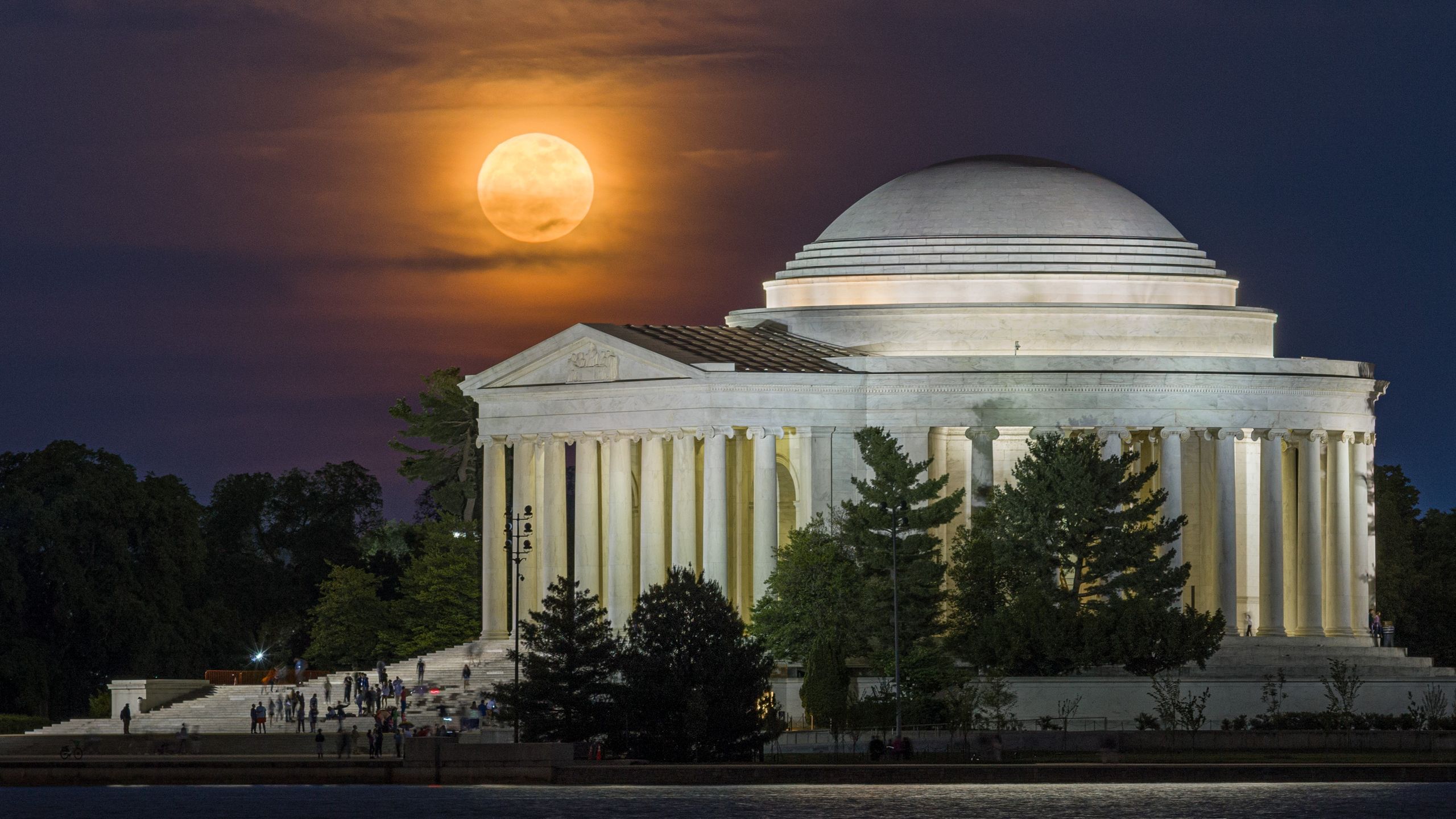
The Bloom of the Night Sky
As we transition through May, the celestial calendar offers a moment of reflection with the arrival of the 'Flower Moon.' This moniker, rooted in historical folklore, captures the essence of late spring when flora emerges in full force across the Northern Hemisphere. Beyond its aesthetic appeal, this lunar event serves as a reminder of our enduring connection to natural cycles.
Beyond the Full Moon: The Rarity of the Blue Moon
What makes this lunar period particularly significant is the impending arrival of a rare 'Blue Moon' on May 31. Often misunderstood, a Blue Moon is not defined by color but by the chronological anomaly of two full moons occurring within the same calendar month. This dual occurrence provides researchers and amateur stargazers alike a unique opportunity to study lunar luminosity patterns in short succession.
Future Implications for Lunar Observation
As global interest in space exploration intensifies, our collective gaze remains fixed on these natural phenomena. These high-visibility events act as a catalyst for public engagement with science. By tracking the Flower Moon and the subsequent Blue Moon, humanity continues to refine its ability to map the heavens—a practice that remains foundational to both cultural history and the future of deep-space navigation.