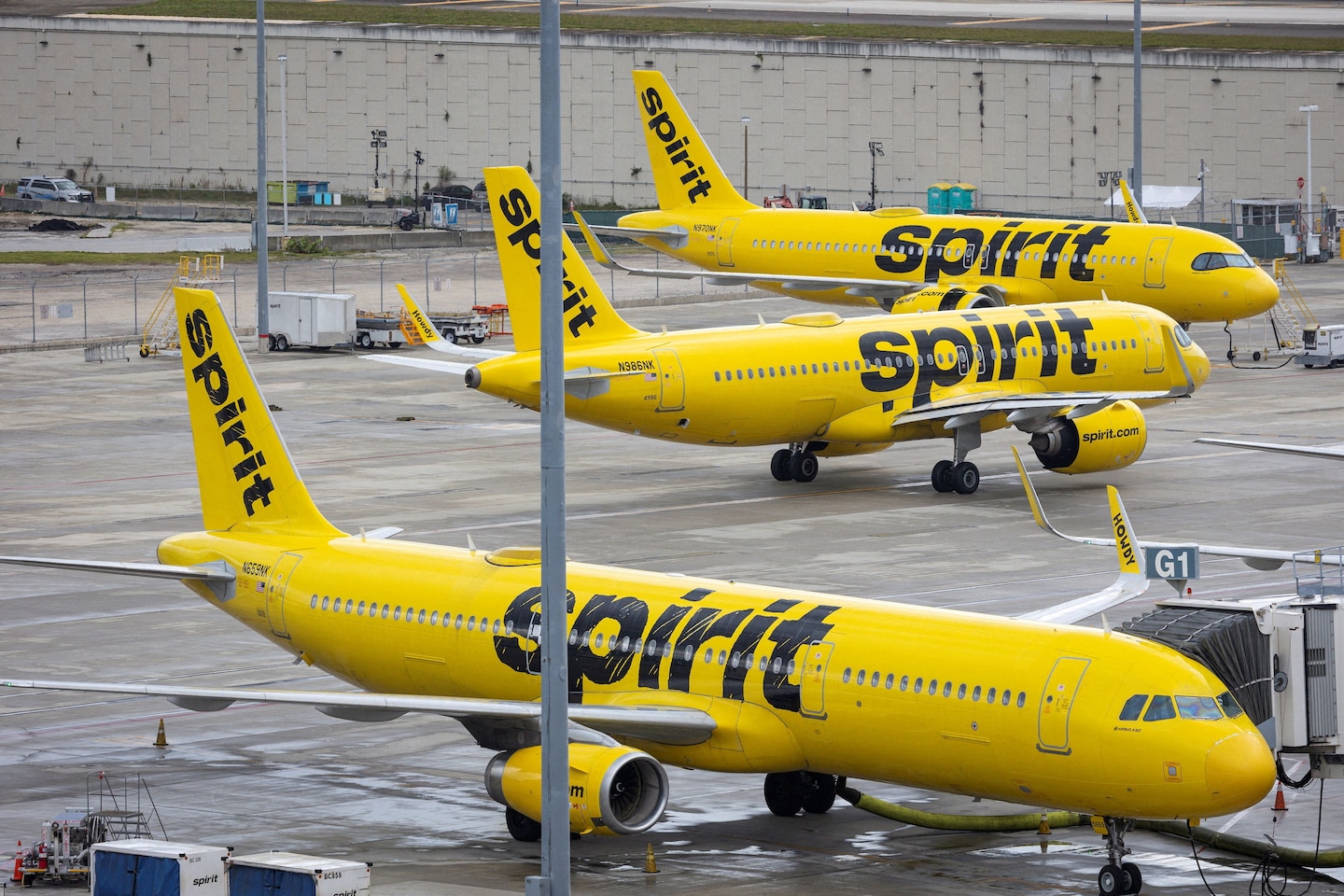
The Final Descent: Why Spirit Airlines Failed
In a move that has sent shockwaves through the aviation industry, Spirit Airlines officially announced the cessation of all operations early Saturday morning. This decision follows a failed eleventh-hour negotiation with the White House, effectively ending the life of one of the nation's most prominent budget carriers.
Context and Consequence
The collapse of Spirit was not a sudden catastrophe but the result of a protracted struggle with debt, rising operational costs, and the intense competitive pressure of a post-pandemic travel landscape. Despite its reputation for 'bare-bones' travel, the airline proved unable to navigate the current macroeconomic headwinds.
Future Implications
What does this mean for the average traveler? As one of the primary drivers of low-cost airfare in the United States, Spirit's exit will likely lead to a consolidation of routes and a probable increase in ticket prices across the board. The 'Spirit effect'—the phenomenon where budget airlines forced legacy carriers to lower their prices—has vanished overnight.