The Quest for Biological Minimalism
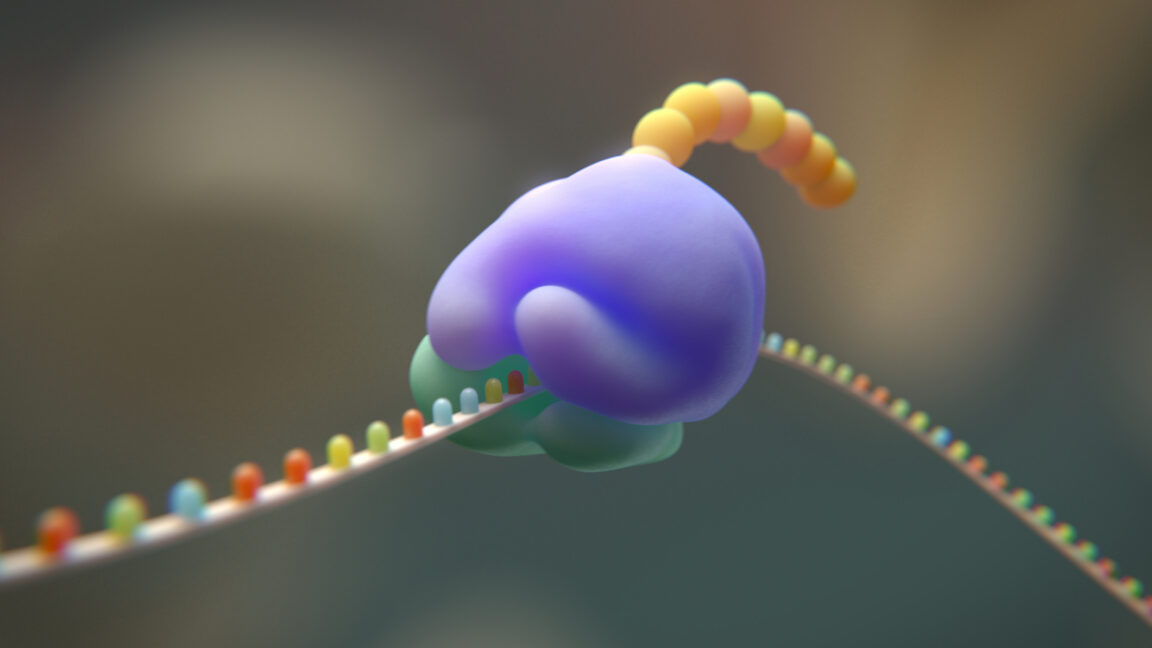
For eons, life on Earth has relied on a fundamental set of 20 amino acids to build the proteins necessary for existence. However, researchers have recently achieved a breakthrough that challenges this biological dogma. By leveraging advanced artificial intelligence to re-engineer the ribosome—the cell's protein-building machinery—scientists have successfully developed a system that functions with only 19 amino acids.
The Role of AI in Structural Refactoring
The complexity of the ribosome has long served as a barrier to synthetic modification. Through AI-driven predictive modeling, the research team identified specific constraints within the ribosomal structure that could be toggled to accommodate a reduced genetic alphabet. This was not a simple deletion; it required a fundamental recalibration of how the cell recognizes and incorporates building blocks into protein chains.
Future Implications for Synthetic Life
This milestone is more than a technical curiosity. By narrowing the scope of the genetic code, researchers are inching closer to creating 'orthogonal' biological systems—life forms that run on a non-canonical genetic language. This could eventually lead to the production of novel synthetic materials and pharmaceuticals that cannot be produced by natural biological organisms, effectively creating a new toolkit for the biotech industry.