A Tense Standoff Reaches Boiling Point
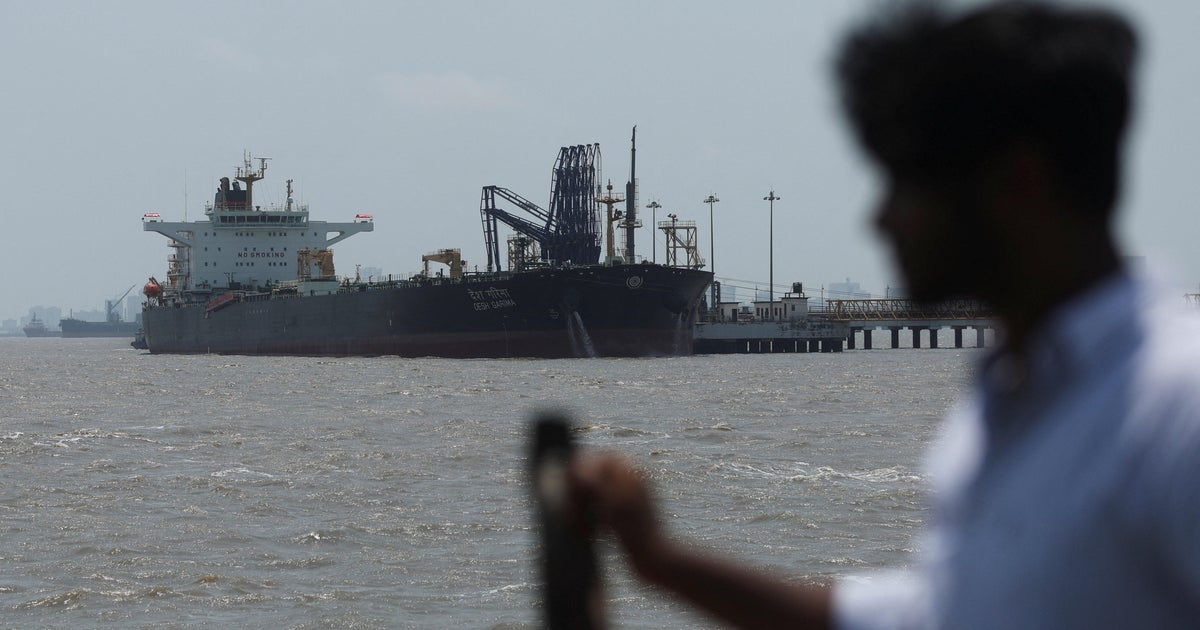
Global energy markets are entering a period of extreme volatility as oil prices surge to a four-year high. The catalyst for this dramatic shift is the deepening crisis surrounding the Strait of Hormuz—the world's most vital maritime oil chokepoint.
Diplomatic Trust at a Breaking Point
The rhetoric from Tehran is increasingly stark. Iranian President Masoud Pezeshkian recently indicated that the window for meaningful negotiation has effectively closed. According to reports, previous U.S.-Israeli military actions have dismantled the foundation of mutual trust required for diplomatic resolution, leaving the region on a knife-edge.
Strategic Escalation
With reports suggesting that the Trump administration is weighing new options—including potential follow-up strikes—to resolve the standoff, investors are pricing in a prolonged disruption to global supply chains. As Hegseth prepares for a new round of questioning, the focus shifts to whether current security strategies can stabilize the region or if we are witnessing the precursor to a broader kinetic conflict.
Future Implications
For the global economy, the stakes could not be higher. A sustained rise in oil prices threatens to exacerbate inflationary pressures in Western economies already struggling with growth targets. If the Strait of Hormuz remains contested, the energy sector will likely experience a radical restructuring of its logistics and security paradigm.