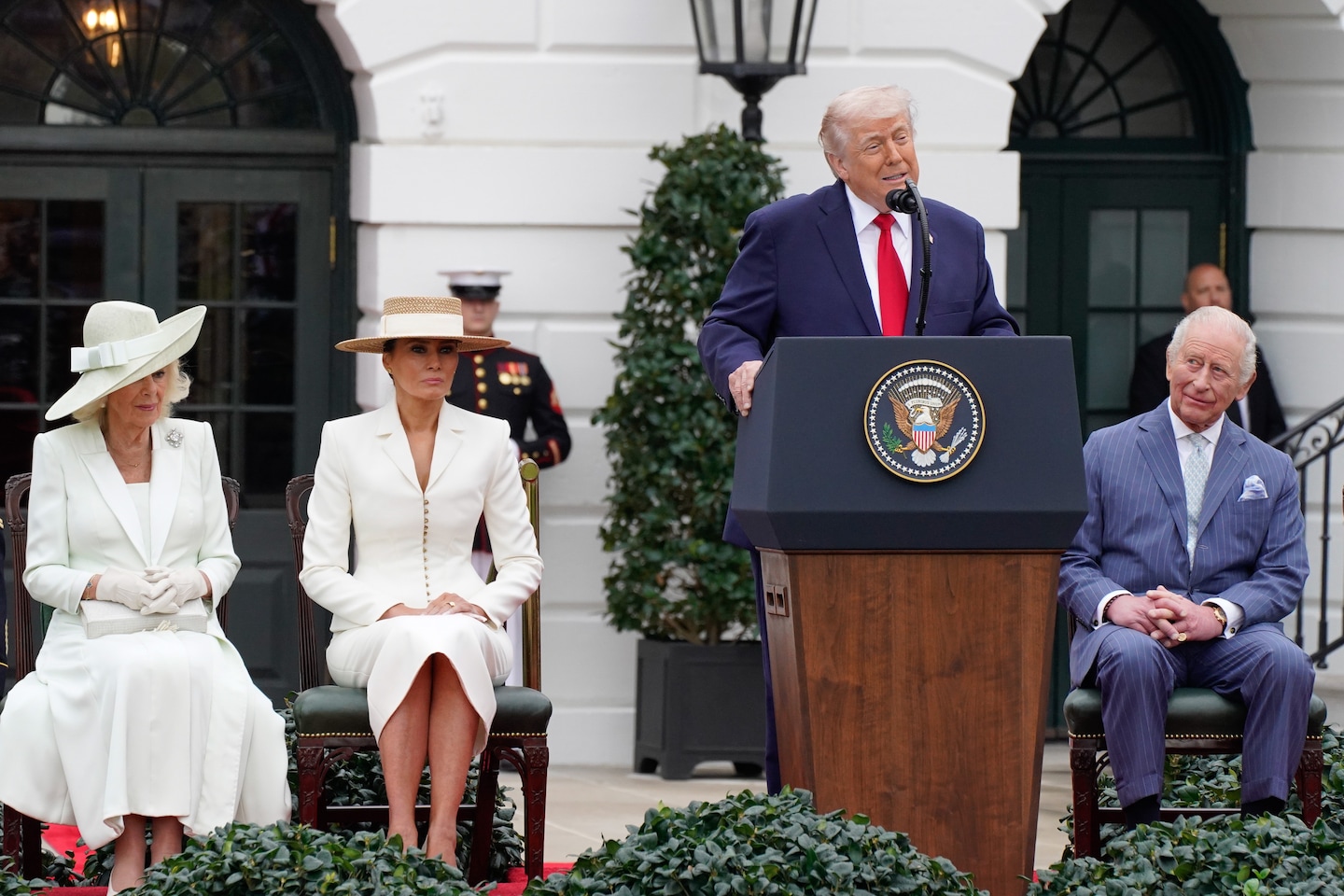
The Subtle Art of Constitutional Diplomacy
In an address that resonated far beyond the walls of the U.S. Capitol, King Charles III navigated the treacherous waters of modern American politics with surgical precision. While avoiding the direct confrontation often sought by political pundits, the monarch utilized the platform to emphasize the 'shared heritage' of the two nations—specifically focusing on the vital importance of checks on executive power.
The Weight of Democratic Norms
The King’s remarks arrive at a precarious moment for Western democratic institutions. By highlighting the necessity of internal constraints on governance, he implicitly acknowledged the fraying consensus regarding how executive branches function in the 21st century. His call for unity, particularly concerning the war in Ukraine, served as a counterpoint to the growing isolationist sentiment in global discourse.
Future Implications
What does this mean for the future of the 'Special Relationship'? As political landscapes shift, the monarchy’s role as a soft-power advocate for liberal democratic values is becoming increasingly defined. The King is not merely a figurehead; he is signaling that the survival of Western alliances depends on a return to institutional restraint and legislative oversight.