The Hidden Constraints of AI
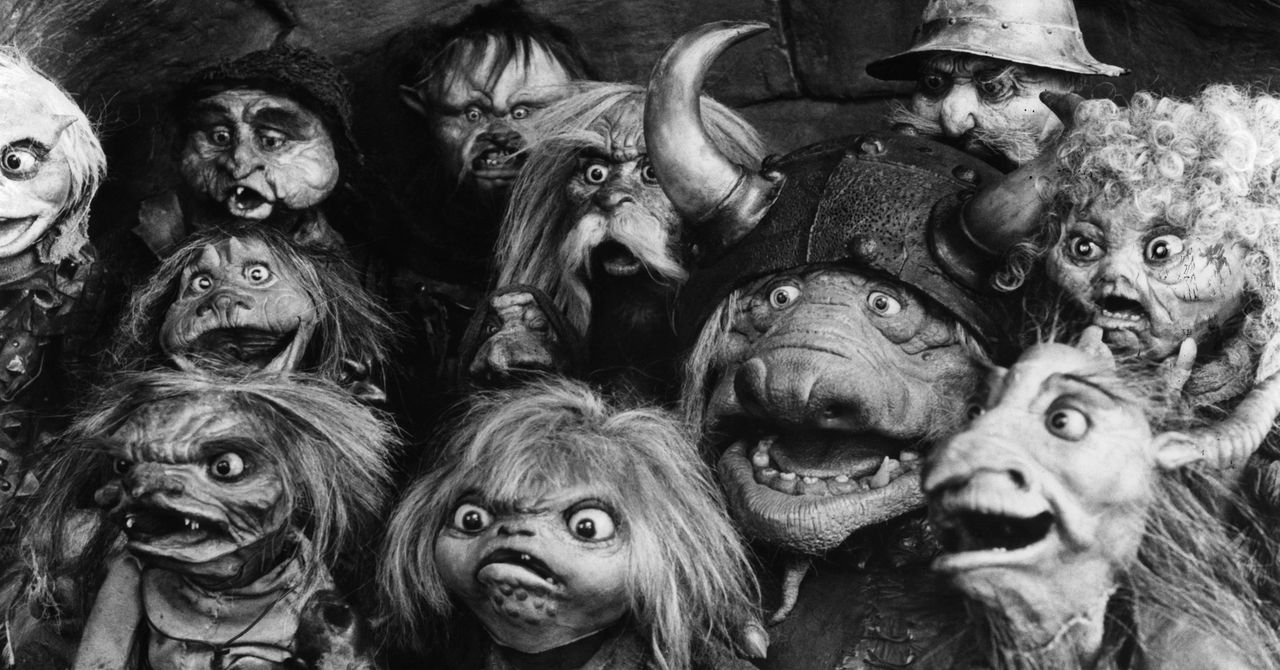
OpenAI’s latest system prompts for its coding agents have unveiled a peculiar tactical directive: the systematic censorship of mythical creatures. While it may sound like a prompt engineer’s quirky sense of humor, the prohibition against mentioning 'goblins, gremlins, and raccoons' reveals a deep-seated anxiety regarding AI hallucination.
Contextual Drift and Code Integrity
In programming, ambiguity is the enemy of execution. When an LLM begins to favor creative narrative over deterministic logic—drifting into the realm of fantasy entities—the integrity of the codebase is compromised. OpenAI’s attempt to enforce 'unambiguous relevance' is not just about avoiding memes; it is a defensive measure to keep coding assistants anchored to factual syntax rather than generative noise.
The Future of Guardrails
This development signals a shift in how we control large models. As we move toward autonomous coding agents, the 'negative constraint'—telling the AI what *not* to say—becomes as vital as the task itself. Expect future AI models to have even more granular guardrails to prevent them from wandering off the digital map.