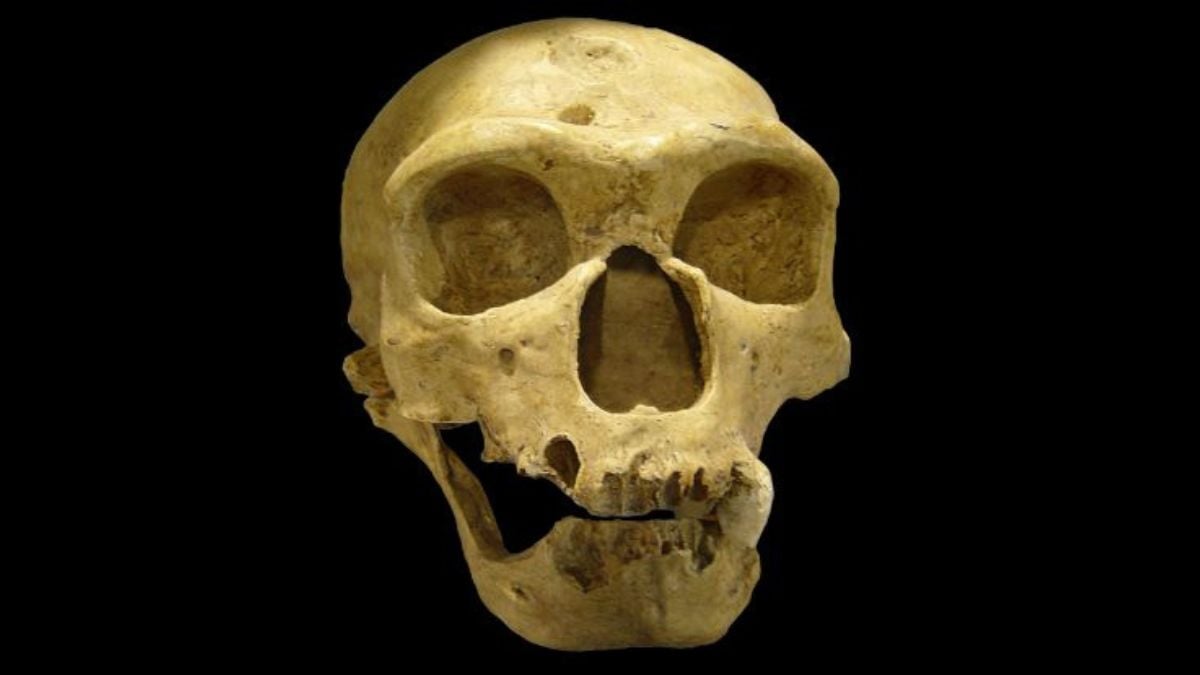
A Historical Misconception
Since Hermann Schaaffhausen first analyzed the Neanderthal cranium in 1857, our perception of our extinct cousins has been marred by prejudice. Long characterized as 'barbarous' or cognitively inferior, the Neanderthal has served as the ultimate foil to modern human intellect. However, recent breakthroughs in neuro-imaging are dismantling these archaic narratives, suggesting a depth of intelligence that challenges everything we thought we knew about human evolution.
The Anatomy of Intellect
Modern science has moved beyond mere cranial capacity metrics. By utilizing sophisticated virtual endocasts, researchers are mapping the neural architecture of Neanderthal skulls. These findings indicate that the Neanderthal brain shared significant structural similarities with our own, particularly in regions associated with complex social cognition, tool manipulation, and symbolic thought. The 'extraordinary form' that once baffled 19th-century anatomists is now being recognized as a sophisticated cognitive biological engine.
Implications for the Future
If Neanderthals possessed the neural framework for advanced social interaction and innovation, why did they vanish? The answer likely lies not in a lack of intelligence, but in the nuanced dance of climate resilience and demographic competition. This discovery compels us to re-examine our own uniqueness, shifting the focus from 'why they failed' to 'how they thrived' in a hostile prehistoric world. Understanding Neanderthal cognition may ultimately unlock new secrets about the origins of the human mind itself.