A Defining Legal Battle
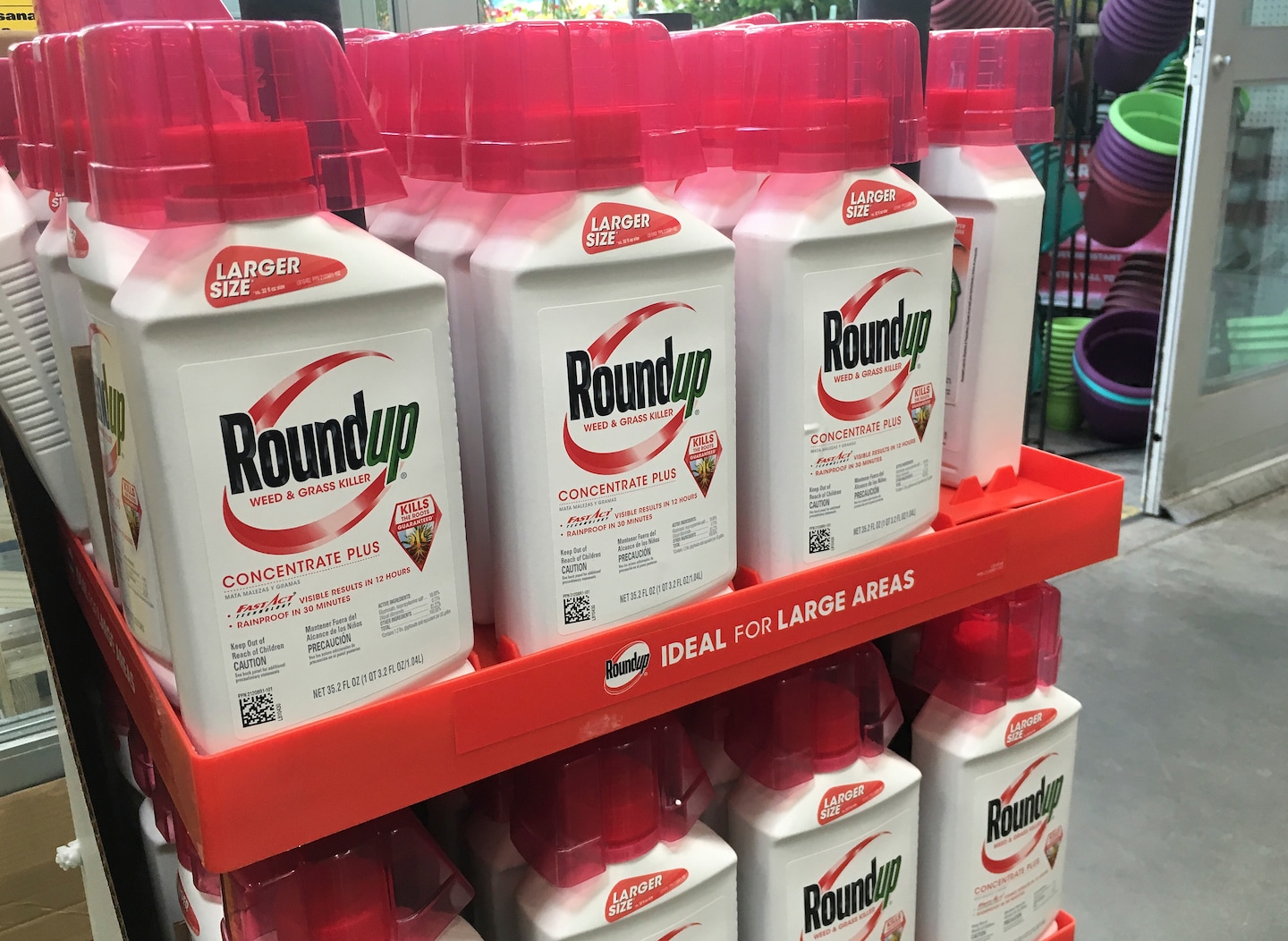
The U.S. Supreme Court is currently navigating one of the most consequential product liability cases in modern history. At the center of the storm is Monsanto, now a subsidiary of Bayer, and the persistent allegations that its flagship herbicide, Roundup, acts as a primary catalyst for cancer in thousands of users.
The Core Preemption Conflict
At the heart of the litigation is the question of federal preemption. Monsanto argues that because the Environmental Protection Agency (EPA) approved its labeling, state-level failure-to-warn lawsuits are effectively blocked. The plaintiffs, however, contend that federal guidelines are a floor, not a ceiling, and that companies have an independent duty to warn consumers of known carcinogenic risks.
Future Implications for Product Safety
A ruling in favor of Monsanto could effectively immunize large-scale chemical manufacturers from state-level negligence claims, potentially shifting the regulatory landscape for decades. Conversely, a ruling for the plaintiffs would preserve the right of individuals to seek damages, potentially forcing transparency in the chemical industry at the cost of massive corporate settlements. As the Court deliberates, the intersection of judicial oversight and public health protection has never been more strained.