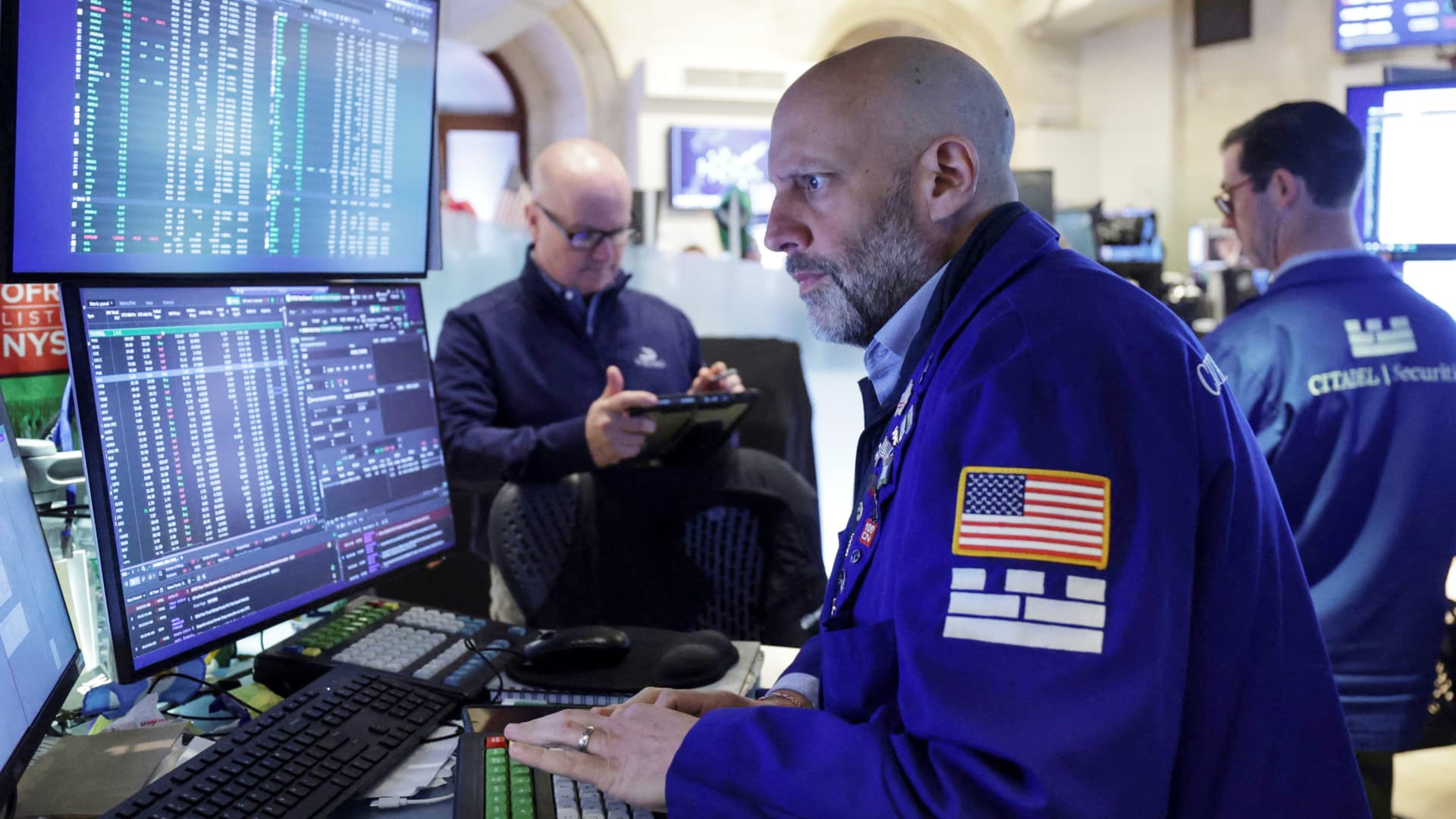
The Market's Fragile Equilibrium
As we enter a pivotal week for the S&P 500, the markets are finding themselves caught in a familiar, yet increasingly volatile, vice: the intersection of energy security and global diplomacy. With Iran peace talks effectively stalled and renewed friction in the Strait of Hormuz, investors are being forced to navigate a landscape where macroeconomic data is taking a backseat to the escalating geopolitical risk premium.
Oil Prices as the Primary Catalyst
The immediate reaction in the commodities sector—specifically the upward tick in oil prices—serves as a barometer for market anxiety. Because the Strait of Hormuz remains a critical artery for global oil supply, any perceived threat of closure or disruption acts as an immediate supply-side shock. For the S&P 500, this creates a dual-headed problem: higher energy costs threaten to reignite inflation fears while simultaneously suppressing consumer discretionary spending.
Future Implications for Investors
Moving forward, the primary concern for the equity markets is the duration of this tension. Should the diplomatic stalemate continue, we expect to see a rotation into defensive sectors and a widening of volatility indices. Investors should brace for a 'wait-and-see' approach from institutions, as the potential for a sudden energy spike outweighs the current optimism regarding corporate earnings. Risk management is no longer optional; it is the prerequisite for navigating this week's volatility.