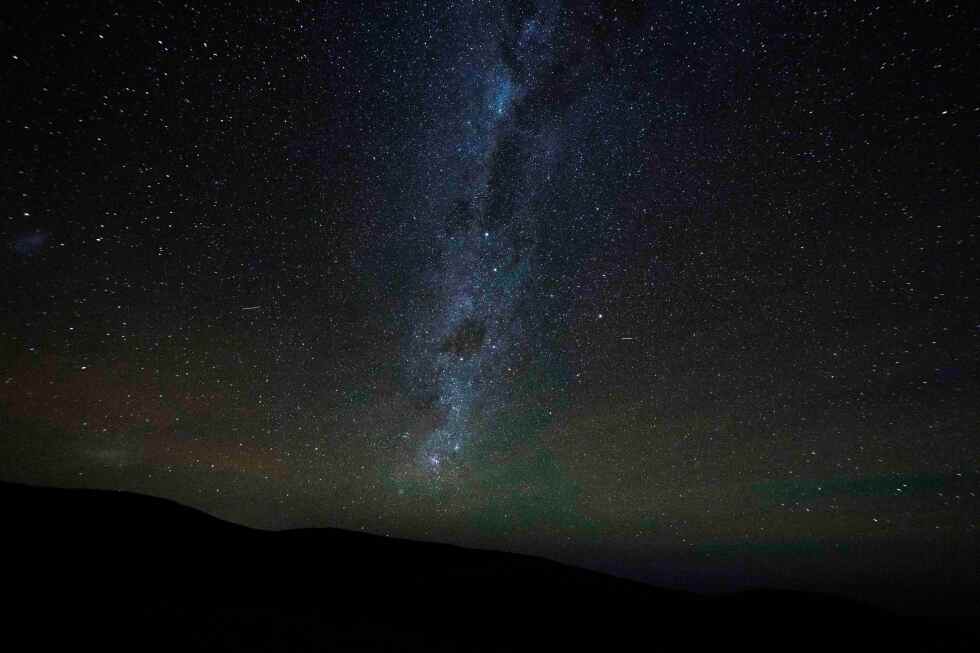
A Sanctuary Under Siege
The Atacama Desert has long served as humanity's window into the infinite. With its arid climate, extreme altitude, and profound isolation, it provides an atmospheric clarity that is vanishing from the rest of the planet. However, the encroachment of artificial light—a byproduct of modernization—is beginning to threaten the very projects designed to peer into the origins of our universe.
The Stakes of Stellar Observation
Major infrastructure investments, most notably the Extremely Large Telescope, rely on the pristine conditions of the Atacama to function at peak capacity. Light pollution does more than just ruin the view for amateur stargazers; it creates a background luminosity that inhibits the detection of faint, distant celestial phenomena. As our terrestrial presence grows, the integrity of deep-space research hangs in the balance.
Future Implications
The degradation of these dark skies is a quiet crisis. If we lose the ability to observe from the world's most ideal locations, we lose our ability to solve the mysteries of dark matter and cosmic expansion. Protecting the Atacama is not merely an environmental concern; it is a necessity for the advancement of human knowledge and the preservation of our cosmic heritage.