A New Window Into the Cosmos
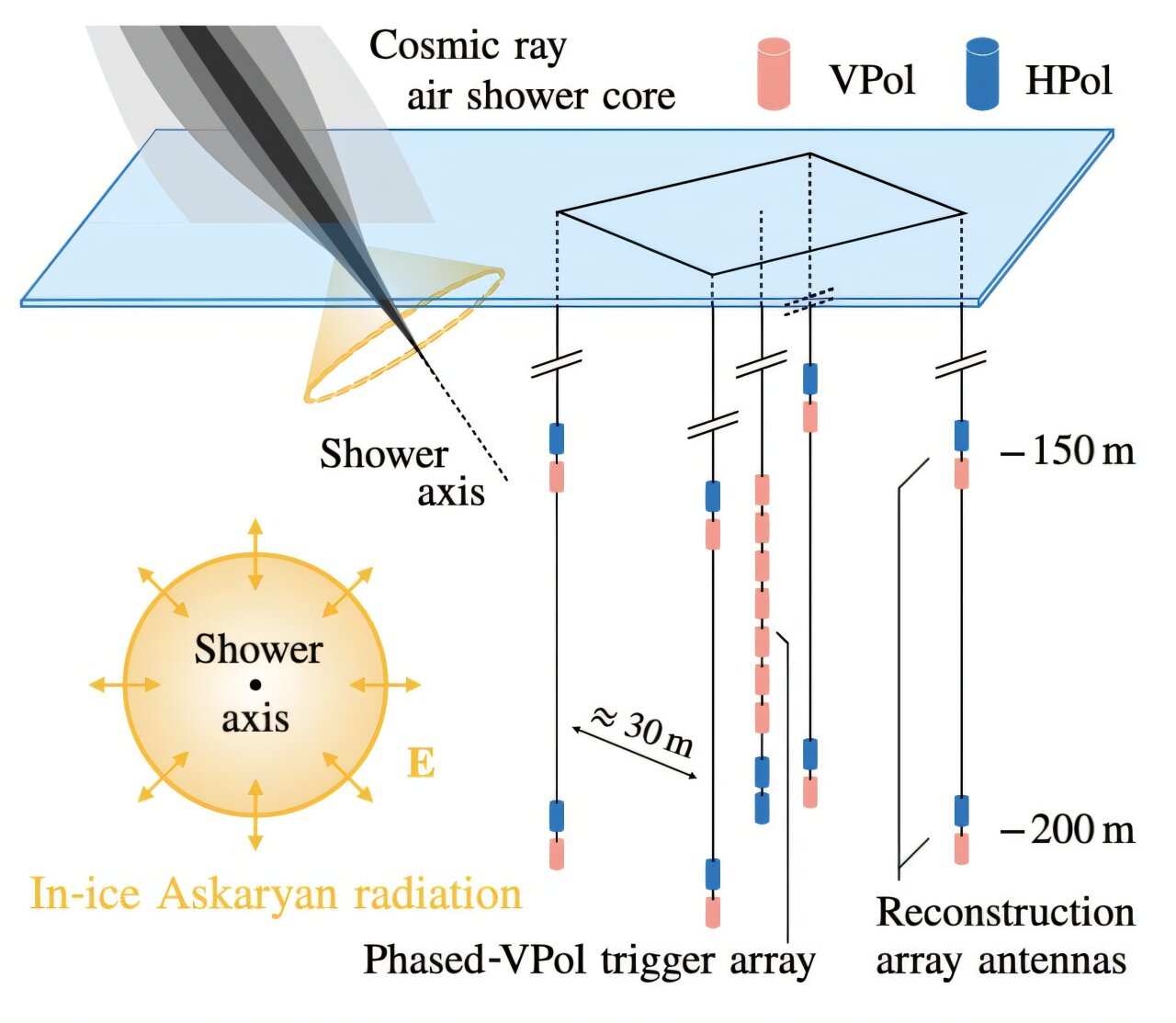
In an unprecedented achievement for high-energy astrophysics, researchers have successfully detected 13 distinct radio pulses emerging from the depths of the Antarctic ice sheet. These signals, long theorized by physicists, serve as the first experimental evidence of 'Askaryan radiation' triggered by high-energy cosmic rays interacting with the dense frozen environment.
The Mechanics of Discovery
When ultra-high-energy cosmic rays penetrate the Earth's atmosphere and strike the Antarctic ice, they trigger massive particle cascades. As these charged particles traverse the ice, they emit a specific radio signal. For years, this phenomenon was confined to mathematical models, but the sensitive detectors buried deep within the ice have finally validated the theory in real-world conditions.
Implications for Future Research
This discovery is more than just a confirmation of existing theory; it provides a new methodology for observing the most energetic particles in the universe. By utilizing the Antarctic ice sheet as a giant natural particle detector, scientists can now map cosmic ray origins with greater precision. This breakthrough paves the way for deeper investigations into dark matter and the extreme conditions of the early universe, effectively turning the South Pole into a giant radio telescope for the cosmos.