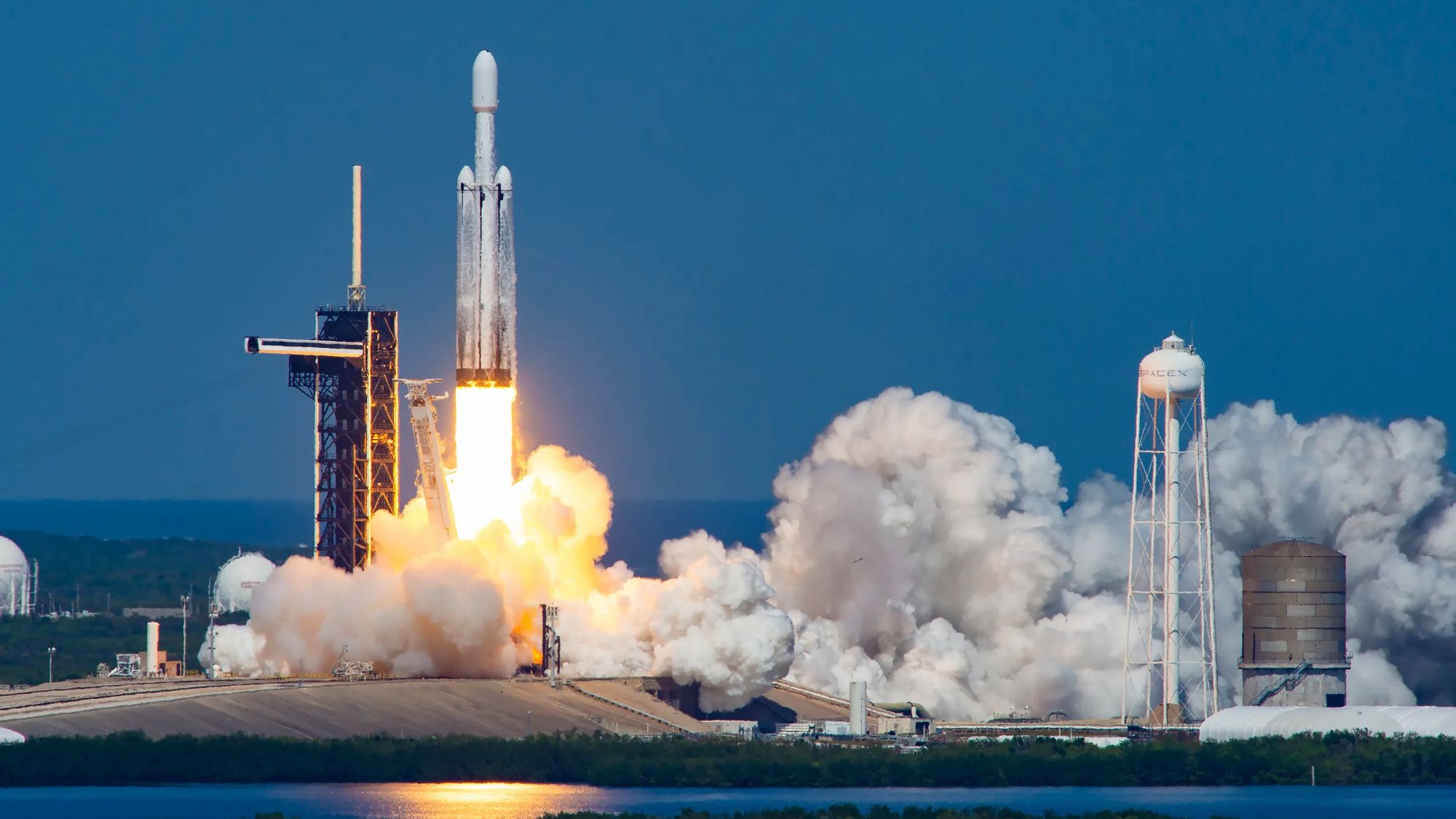
A Long-Awaited Return
After an 18-month hiatus, SpaceX is poised to reintroduce its workhorse of heavy-lift capability to the launchpad. The Falcon Heavy, characterized by its triple-core architecture, remains one of the most powerful launch vehicles currently in operation. The upcoming April 27 launch represents the 12th mission for the platform, underscoring both the maturation of reusable launch technology and the increasing demand for heavy-payload orbital deployment.
Why This Launch Matters
In the landscape of modern aerospace, heavy-lift capacity is the bottleneck for deep-space exploration and large-scale satellite constellation deployment. By successfully bringing the Falcon Heavy back into the rotation, SpaceX effectively reasserts its dominance in the commercial launch market. This mission is not merely a routine logistics operation; it is a critical calibration point for the company's flight cadence and operational readiness.
Looking Toward the Future
As we look beyond this launch, the Falcon Heavy serves as a vital bridge between the mature Falcon 9 fleet and the developmental Starship program. The data gleaned from this mission will continue to refine landing precision and aerodynamic load management, setting the stage for more ambitious lunar and interplanetary payloads in the coming decade.