The Ideological Collision
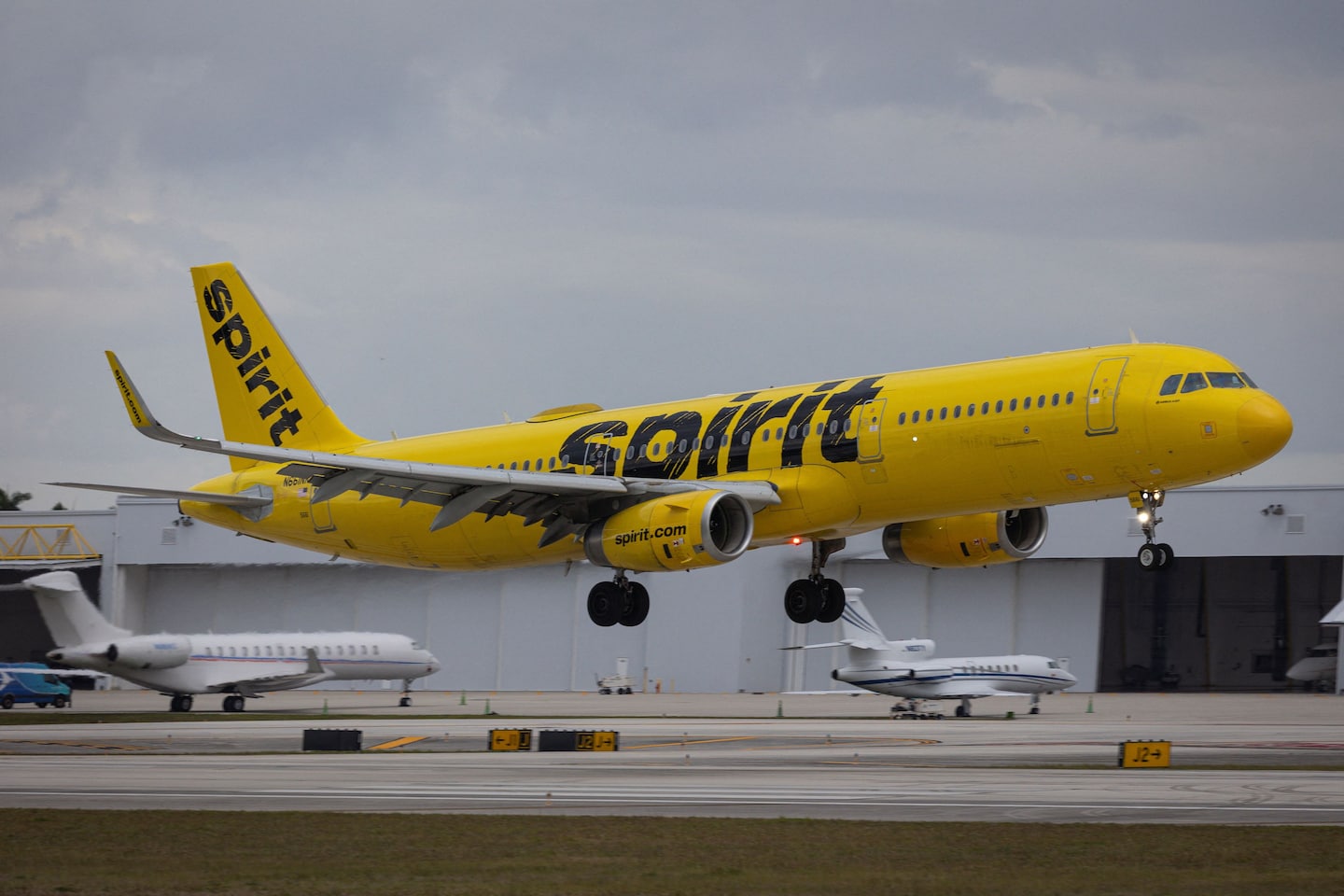
President Trump’s recent proposal to inject $500 million into the bankrupt Spirit Airlines has ignited a firestorm within the Republican party, pitting traditional fiscal conservatism against a new, interventionist brand of populism. For decades, the GOP has prided itself on 'laissez-faire' market principles, yet this move suggests a fundamental shift toward state-led industrial support.
Deep Divisions and Strategic Risks
While the administration argues that the bailout is a surgical intervention to save American jobs, critics within the party see it as a dangerous departure from free-market orthodoxy. Economists warn that 'picking winners' in the volatile aviation industry could set a costly precedent, encouraging moral hazard among other failing carriers. The internal friction highlights an administration struggling to reconcile its campaign promises of economic protectionism with the party's institutional backbone.
Implications for the Future
If the bailout proceeds, it could redefine the relationship between the federal government and the airline industry for years to come. Whether this is a one-time rescue or a blueprint for future industrial policy remains the central question. As the debate intensifies, investors and lawmakers alike are watching closely to see if political pragmatism will finally dismantle the party's long-standing devotion to market self-correction.