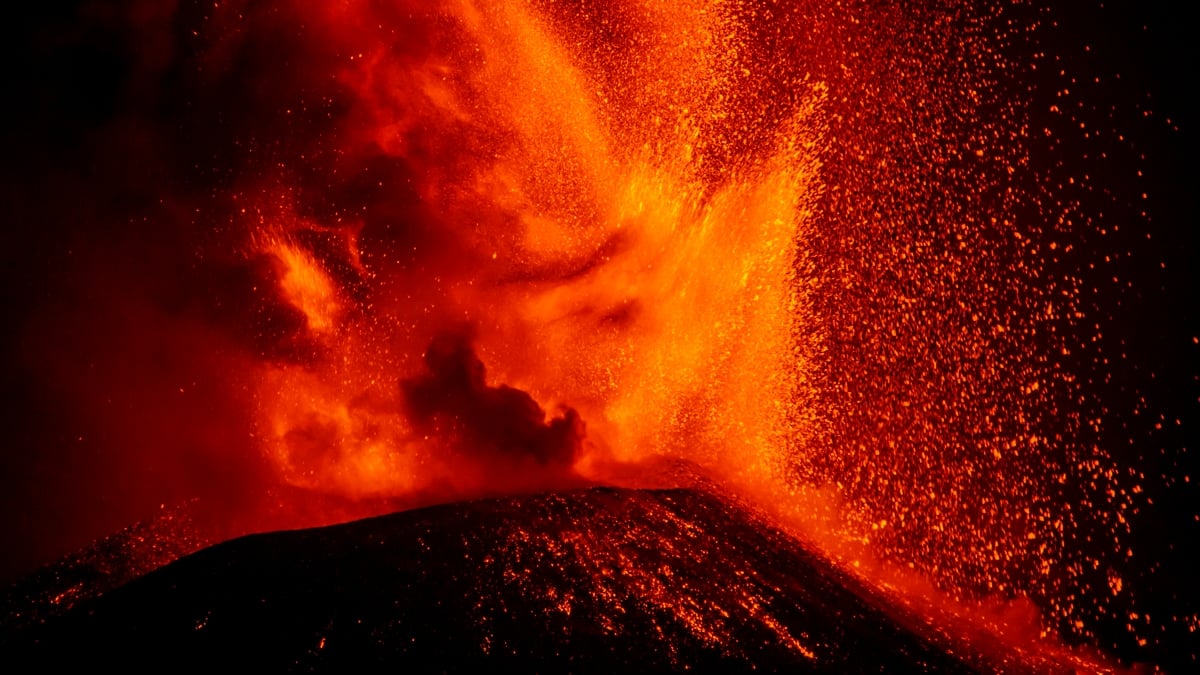
A Half-Million-Year Legacy
Mount Etna, standing at a staggering 3,400 meters, remains Europe's most restless sentinel. For over 500,000 years, this stratovolcano has sculpted the Sicilian landscape, yet recent scientific breakthroughs are finally demystifying its seemingly endless supply of volcanic fuel.
Deconstructing the Magmatic Engine
Historically, the persistence of Etna's eruptions baffled geologists. New analytical models suggest that the volcano's unique positioning—sitting at the intersection of complex tectonic plates—allows for a steady replenishment of mantle-derived magmas. This isn't just a static mountain; it is a dynamic, breathing entity that defies the traditional cooling expectations of ancient stratovolcanoes.
Future Implications for Seismic Monitoring
Understanding the 'gas in the tank' isn't just academic; it is vital for public safety. As we refine our ability to track magmatic movement deep beneath the Sicilian crust, we move closer to predictive models that could save thousands. Etna serves as a primary laboratory for global volcanology, proving that even after half a million years, the Earth is far from finished with its transformation.