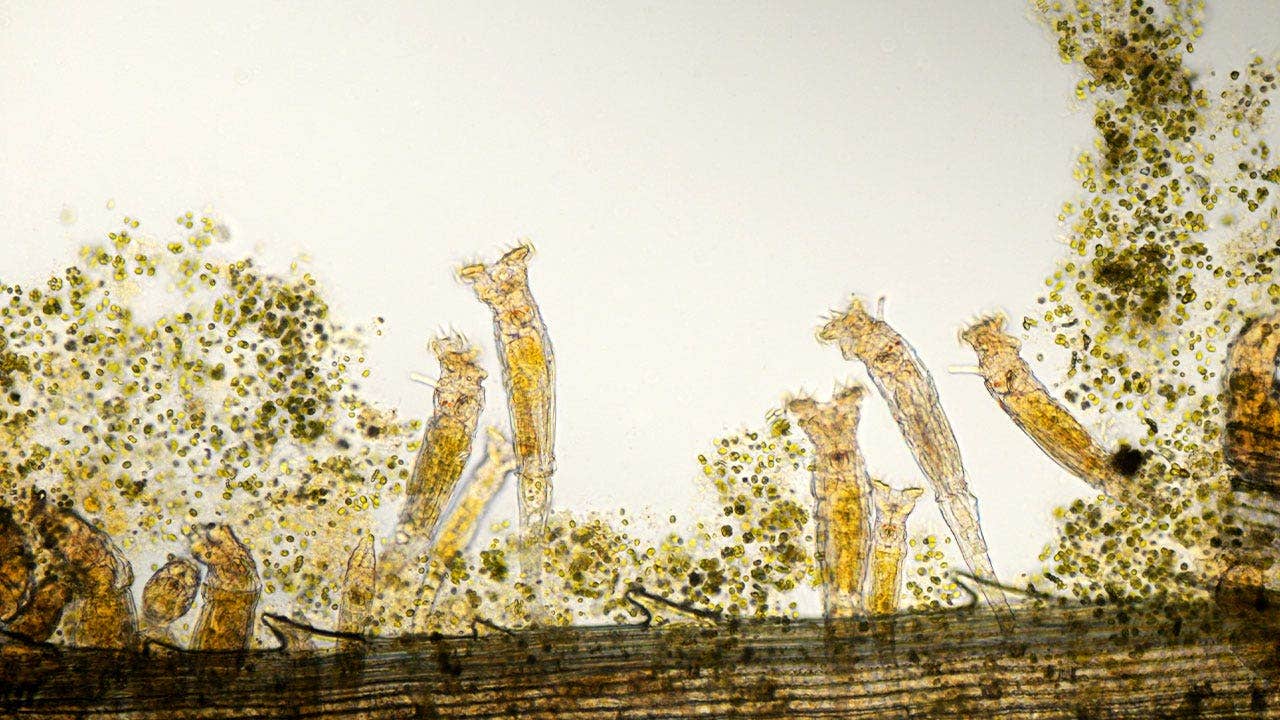
A Leap Through Deep Time
In a feat that sounds pulled from the pages of science fiction, researchers have successfully resuscitated a microscopic organism that has been entombed in Siberian permafrost for 24,000 years. This discovery is not merely a biological curiosity; it serves as a profound window into the mechanics of cellular preservation and the limits of biological stasis.
Biological Mechanisms of Resilience
The organism, a bdelloid rotifer, survived the brutal conditions of the Pleistocene epoch by entering a state of cryptobiosis. By slowing its metabolic processes to a near-halt, the creature avoided the typical cellular decay that accompanies long-term freezing. The fact that the specimen not only revived but also exhibited the ability to reproduce post-thaw suggests that its evolutionary blueprint contains highly efficient DNA repair mechanisms.
Future Implications for Astrobiology and Climate
This event recalibrates our understanding of how life might persist in extreme extraterrestrial environments, such as the icy moons of Jupiter or the polar caps of Mars. Furthermore, as the Arctic continues to thaw at an unprecedented rate, the revival of ancient organisms raises urgent questions about the biological contents trapped within the permafrost—and the potential for hidden pathogens or dormant life forms to enter the modern ecosystem. We are standing at the threshold of a new era in paleobiology.