Corporate Friction and Creative Expression
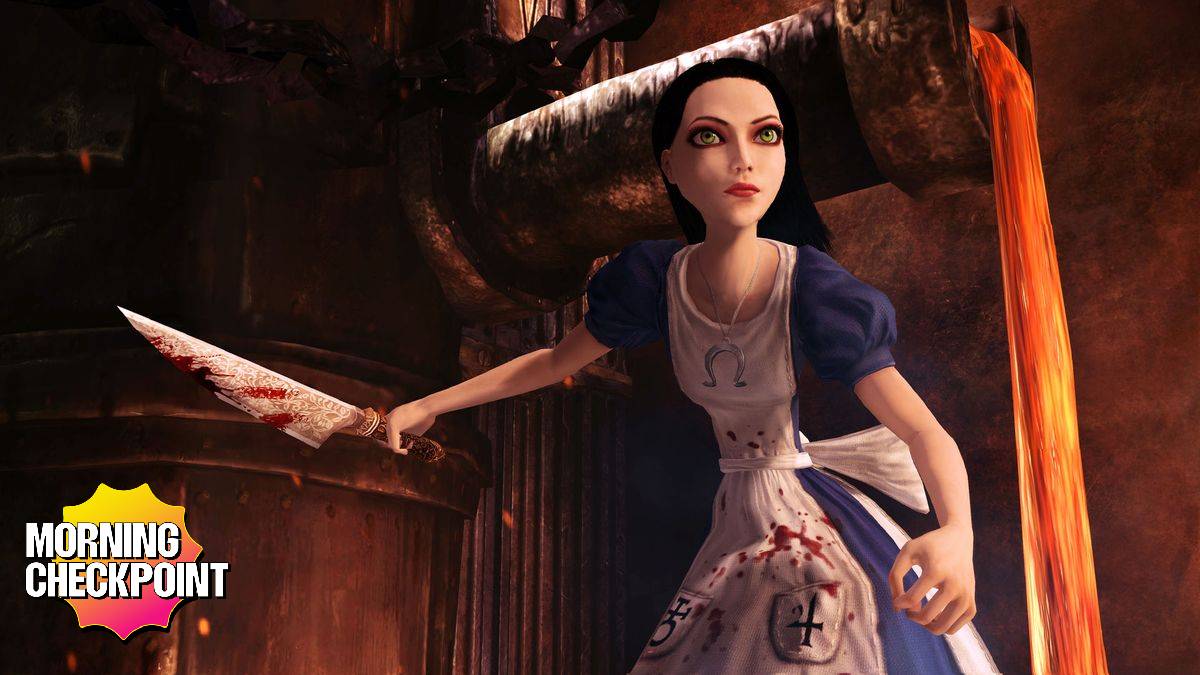
The gaming industry is often viewed through the lens of polished marketing and boardroom strategy, yet beneath the surface, developers frequently engage in quiet, subversive acts to maintain creative autonomy. The revelation that the team behind Alice: Madness Returns placed dildos on a snail asset to bypass EA’s oversight is a perfect illustration of this tension.
The Cost of Efficiency
Beyond anecdotal developer rebellions, the industry is currently grappling with a massive shift in corporate governance. From Meta’s ongoing workforce purges to the strategic pivot of major console manufacturers like PlayStation embracing PC ports, the landscape is shifting from creative-led projects to efficiency-driven outputs. This move toward cross-platform integration aims to maximize the longevity of high-budget titles, yet it prompts a critical question: what is the cost of efficiency to the soul of the game?
Future Implications
As we look toward the future, the integration of retro emulation by companies like Atari suggests a market that is increasingly nostalgic yet desperate for stability. Developers and studios must balance the rigid demands of modern shareholders with the artistic necessity of 'small rebellions'—those unique, defiant creative choices that give a game its identity. Without these, the industry risks becoming an assembly line of homogenous, risk-averse content.