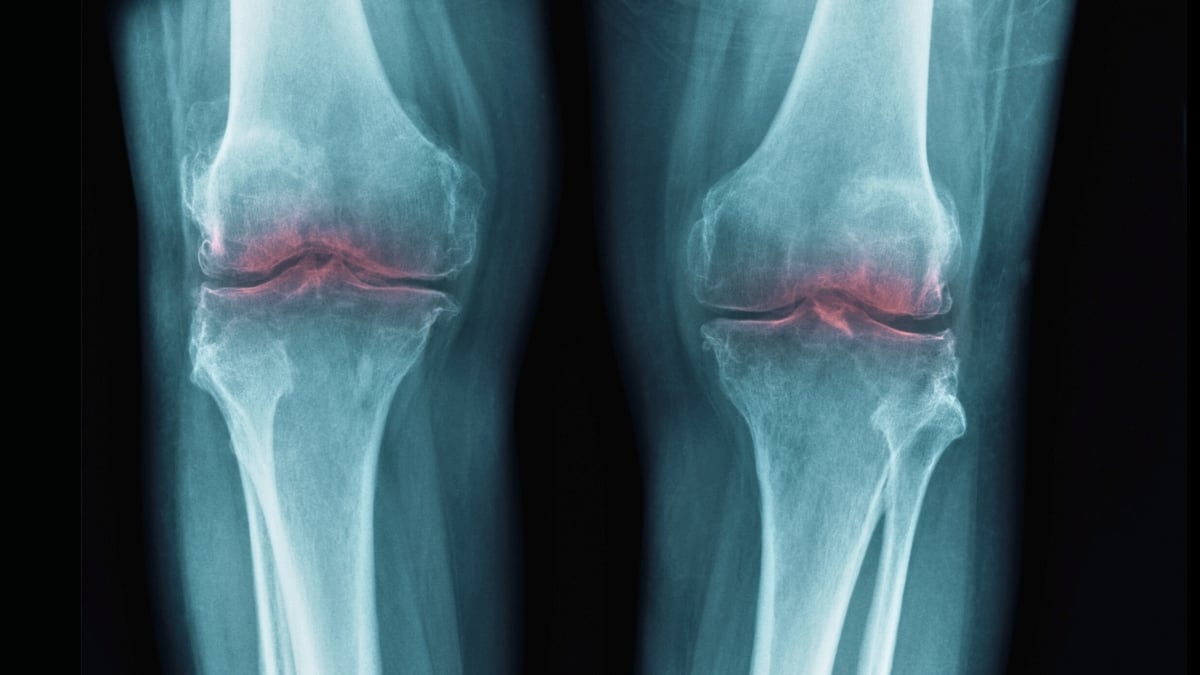
The Cellular Clockwork of Aging Joints
For decades, the degradation of cartilage in aging joints was considered an inevitable, irreversible byproduct of time. However, a landmark study in mice has shattered this paradigm, identifying a single protein responsible for the loss of structural integrity in our joints. This discovery offers a beacon of hope for millions suffering from osteoarthritis.
The Mechanism: Targeting the Protein
By isolating the protein driving cartilage decay, researchers have unlocked a therapeutic target that was previously invisible. The study demonstrates that by modulating this protein, it is possible to halt, and potentially reverse, the erosion of joint health. This isn't just about pain management; it's about structural regeneration.
Future Implications for Human Health
While the transition from murine models to human clinical trials remains the next critical frontier, the implications are profound. If these findings hold, we could see a future where osteoarthritis is a manageable, reversible condition rather than a life-altering diagnosis. As we navigate an aging global population, such breakthroughs are essential to maintaining mobility and quality of life for the elderly.