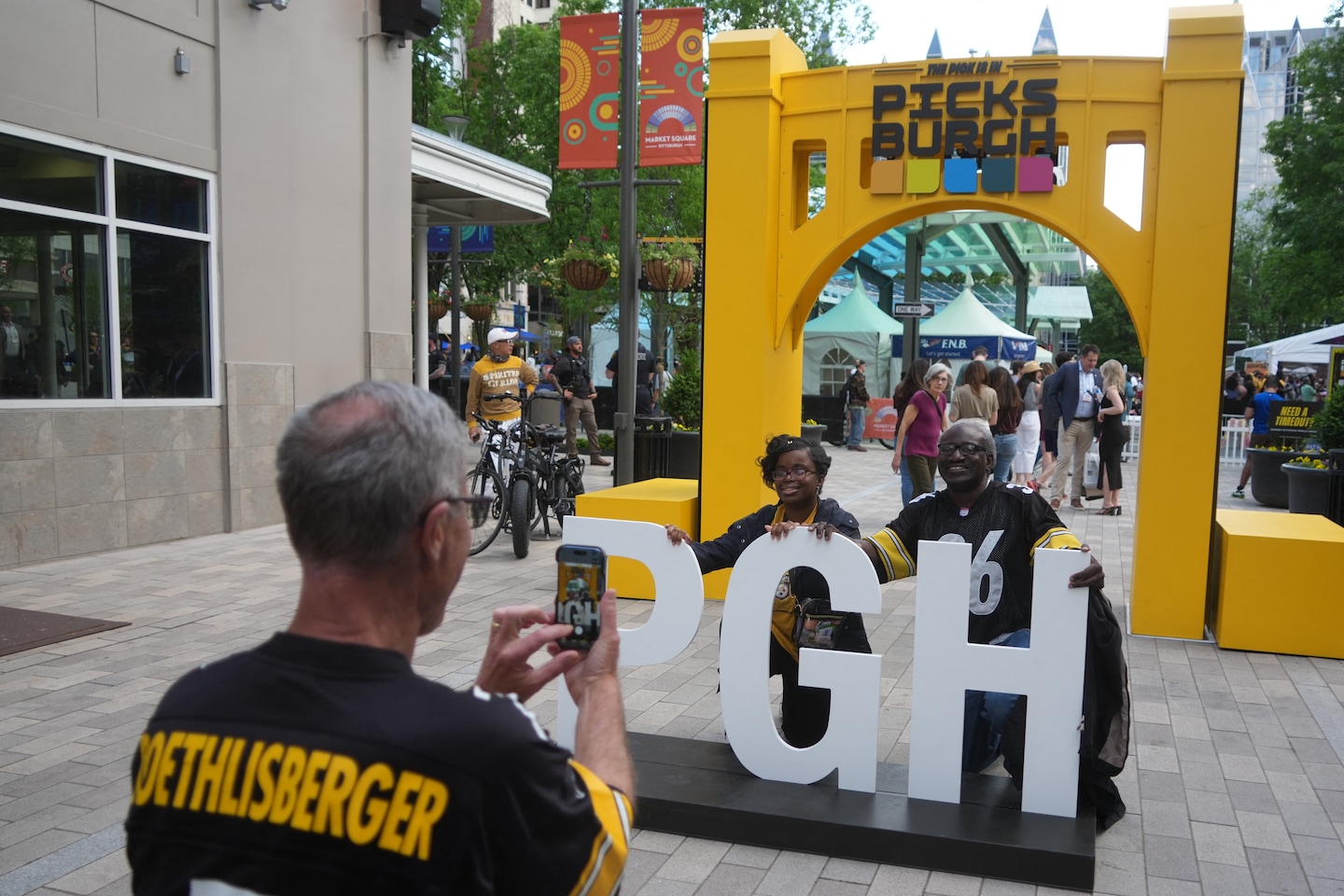
The NFL Draft: Economic Catalyst or Civic Disruption?
As Pittsburgh gears up to host the NFL Draft, a familiar tension has resurfaced: the cost of being chosen for the league's grand stage. While the event promises a surge in tourism and national visibility, the reality on the ground—characterized by virtual school transitions and traffic gridlock—raises profound questions about the true ROI of hosting mega-events.
The Human Cost of Gridlock
For families like the Fuquas, the allure of a sporting spectacle often clashes with the logistics of daily life. When a city pivots to virtual schooling to accommodate an influx of hundreds of thousands of fans, the societal trade-off becomes tangible. Is the long-term economic boost worth the immediate disruption to educational continuity and public infrastructure?
Future Implications for Host Cities
Pittsburgh serves as a case study for mid-sized cities navigating the pressures of the 'NFL industrial complex.' As the draft continues to grow in stature, host cities must weigh the glamour of the spotlight against the functional stability of their local communities. The lasting legacy of such events will not be measured in jerseys sold, but in whether the city's infrastructure remains resilient enough to balance spectacle with the essential needs of its residents.