Beyond the Hive: Ancient Caribbean Fossils Unveil Revolutionary Bee Behavior
For centuries, the image of a bee hive—a bustling, hexagonal metropolis hanging from a tree branch or nestled in a charming box—has dominated our collective imagination. This iconic portrayal, while true for some social bee species, paints an incomplete picture. In fact, a staggering 90% of the world's bee species are solitary creatures, often choosing to burrow into the ground or carve out homes in rocks and wood. Now, a groundbreaking discovery in a remote Caribbean cave is not only reinforcing this less-known reality but is also rewriting our understanding of ancient bee ecology, revealing a nesting behavior never before documented in the fossil record.
A Glimpse into the Past: Hundreds of Fossilized Nests
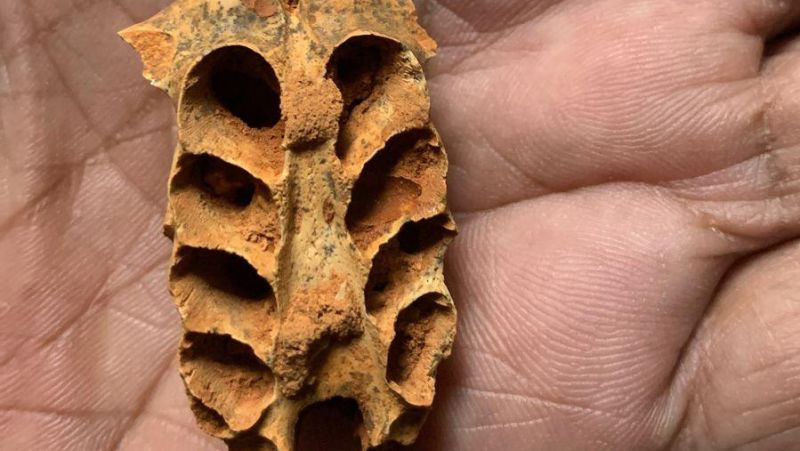
Researchers exploring the labyrinthine depths of a Caribbean cave have unearthed hundreds of fossilized bee nests, a find of unparalleled significance. What makes this discovery truly remarkable isn't just the sheer volume of specimens, but the peculiar nature of their construction. These ancient solitary bees, unlike their modern counterparts that might excavate fresh soil or bore into decaying wood, appear to have repurposed existing fossilized structures within the cave environment for their nesting sites. This sophisticated adaptation—utilizing already fossilized remains as a foundation for their homes—points to a resourcefulness that challenges prevailing theories about early bee behavior and environmental interaction.
Rewriting the Narrative of Bee Evolution
The implications of this discovery are profound, extending far beyond a mere curiosity. This novel nesting strategy suggests a previously unknown evolutionary pathway for bees, indicating a deep adaptive capacity that allowed them to thrive in diverse and challenging environments. By analyzing the micro-environments of these fossilized nests—the specific types of fossils they inhabit, the surrounding geological strata, and the organic residues left behind—scientists hope to reconstruct the paleoecology of the ancient Caribbean. This could offer vital clues about the region's climate, flora, and fauna millions of years ago, painting a richer picture of a vibrant ecosystem long since transformed.
Unlocking the Secrets of Resourcefulness and Adaptation
The find compels us to reconsider the definition of "niche construction" in the natural world. These ancient bees weren't just living in an environment; they were actively shaping and utilizing its most enduring elements—fossils themselves—to ensure the survival of their offspring. This level of behavioral plasticity, evident in the deep past, has critical resonance today. As ecosystems face unprecedented pressures from climate change and habitat loss, understanding the historical adaptive strategies of even the smallest creatures can provide invaluable insights into resilience and survival.
Further research will involve meticulous micro-CT scanning of the nests, chemical analysis of any preserved pollen or larval remains, and comparative studies with modern solitary bee species known for their ingenious nesting habits. The goal is to determine the exact species of these ancient bees, understand their diet, and precisely date the fossils to place them accurately within the geological timeline.
What This Means for the Future of Entomology and Paleontology
This Caribbean discovery serves as a powerful reminder of how much remains unknown about the natural world, even for creatures as seemingly familiar as bees. It underscores the critical importance of continued paleontological exploration, especially in underexplored regions like caves, which often act as natural time capsules. As scientists meticulously unravel the secrets held within these tiny fossilized chambers, we gain not just a deeper appreciation for the evolutionary ingenuity of bees, but a broader understanding of life's enduring capacity for adaptation in the face of ever-changing worlds. The humble bee, often celebrated for its honey and pollination, is now teaching us an entirely new lesson about history, resilience, and the endless surprises hidden beneath our feet.