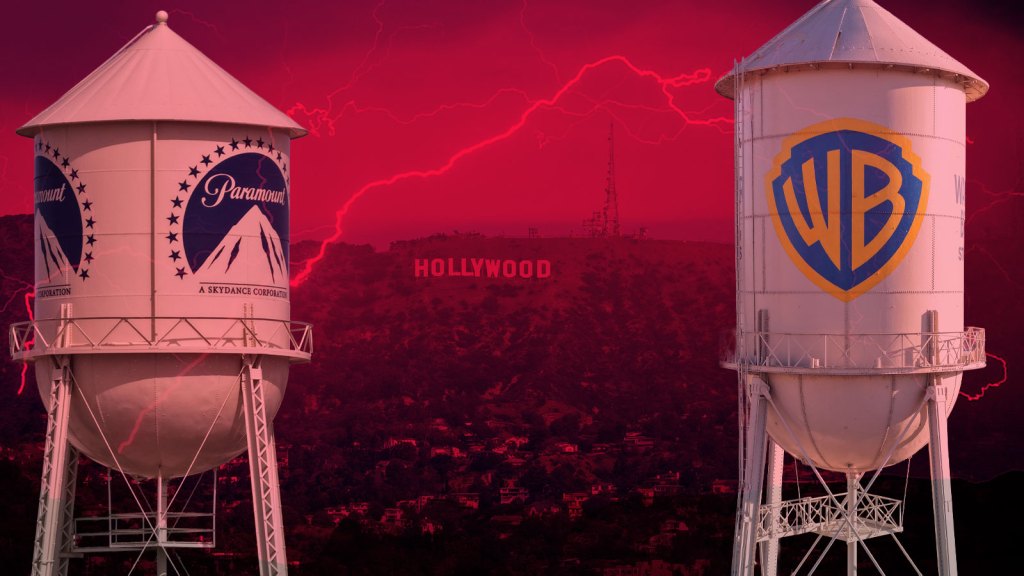
A Tectonic Shift in Media Ownership
The proposed merger between Warner Bros. Discovery (WBD) and Paramount represents more than a mere corporate transaction; it is a potential watershed moment for the future of the media landscape. As shareholders prepare to cast their decisive votes, the deal has become a lightning rod for political and public scrutiny.
Regulatory and Political Pressure
Sen. Cory Booker (D-NJ) has spearheaded the opposition, releasing a 13-minute critique that underscores the systemic risks of media consolidation. Critics argue that such a merger would stifle competition, narrow the diversity of news and entertainment, and concentrate too much power in the hands of a single entity. The planned protests in New York City reflect a growing public anxiety regarding the 'Big Media' monopoly.
Future Implications
Should this deal proceed, the industry could face a domino effect of further consolidation. Analysts are watching closely to see if the regulatory environment—already feeling the pressure of populist rhetoric—will act as a barrier to entry. For the consumer, the outcome could dictate everything from subscription costs to the editorial integrity of major news outlets for the next decade.