A Fragile Ceasefire Fractures
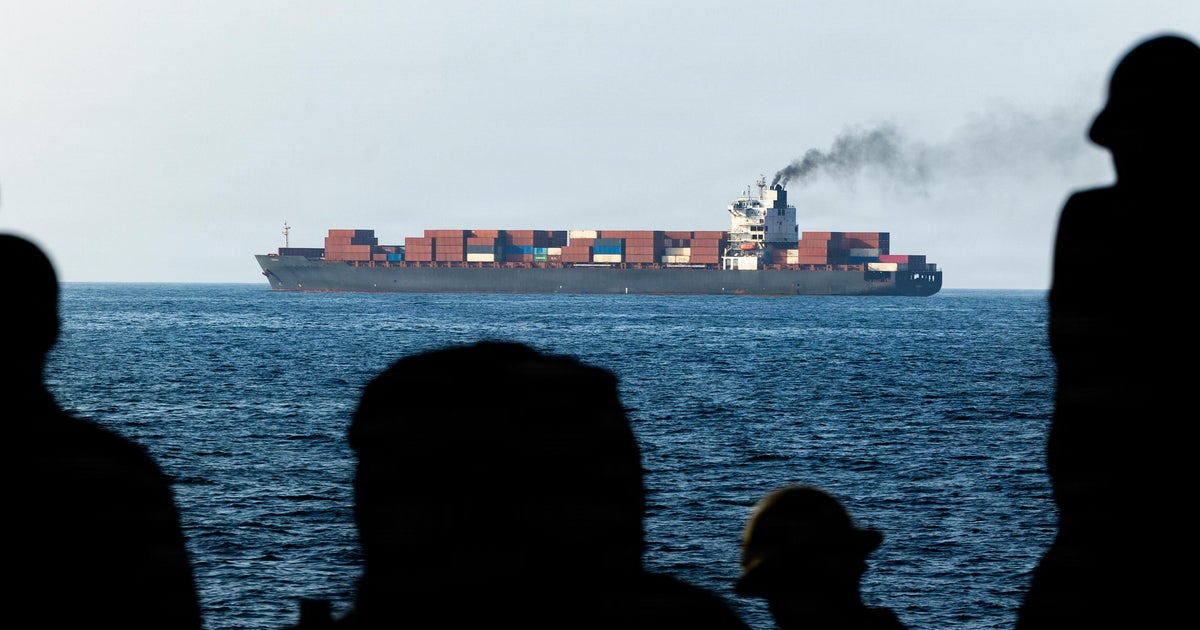
The stability of the Strait of Hormuz, a critical artery for global energy, has once again been jeopardized as reports confirm renewed Iranian naval hostility. Despite the Trump administration’s declaration of an indefinite ceasefire extension, the reality on the ground—or rather, on the water—tells a far more volatile story. The deployment of additional U.S. forces to the region underscores a deepening commitment to safeguarding maritime transit, yet the risks of miscalculation remain at an all-time high.
Economic Contagion: Lufthansa’s Drastic Measures
The consequences of this geopolitical instability are not confined to the Middle East. The global economy is feeling the shockwaves, most notably in the aviation sector. Lufthansa’s decision to slash 20,000 short-haul flights is a direct response to the surge in jet fuel prices triggered by supply chain anxieties. This is a stark reminder that military tensions thousands of miles away can dictate the operational viability of major European corporations.
Future Implications
As energy prices respond to the volatility, we must consider the broader inflationary impact on the global market. If the Strait of Hormuz remains contested, the upward pressure on oil and fuel will likely force further austerity across transport and logistics sectors. The coming weeks will be a test of diplomatic resilience; if these tensions are not contained, we may be witnessing the beginning of a sustained economic downturn linked directly to regional military posturing.