The Hidden Architects of Cognition
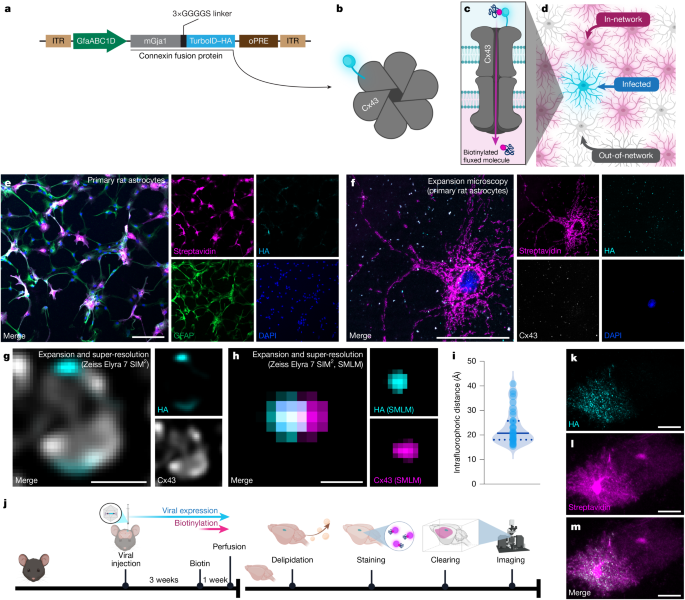
For decades, neuroscience has been dominated by the 'neuron-centric' view of the brain, treating glial cells—specifically astrocytes—as mere support staff. However, groundbreaking research from NYU Grossman School of Medicine is overturning this paradigm. The study reveals that astrocytes form intricate, plastic networks via gap junction coupling, creating a structural bridge between distant brain regions.
The Plasticity of Communication
Unlike static anatomical pathways, these astrocytic networks are dynamic. By utilizing gap junctions to couple together, these star-shaped cells facilitate a sophisticated form of intercellular communication that allows the brain to reorganize its signaling pathways in real-time. This 'plasticity' suggests that our cognitive flexibility may depend as much on the glial network as it does on synaptic activity.
Future Implications for Neurological Health
Understanding this network architecture opens new frontiers in treating neurodegenerative diseases and cognitive disorders. If these plastic networks are the highways for brain-wide information transfer, targeting them could hold the key to restoring lost connectivity in conditions once thought to be exclusively synaptic in nature. We are looking at a fundamental shift in how we map the brain's internal communications.